Australia’s Royal Commission into Antisemitism and Social Cohesion has entered a new phase after several Jewish community leaders called for senior members of the Albanese Government to give evidence about policy decisions made before the Bondi terrorist attack.
The request comes as the Royal Commission continues examining not only the circumstances surrounding the attack itself but also broader questions about antisemitism, social cohesion, intelligence, public policy and institutional responses to extremist threats.
Representatives from several Jewish organisations have argued that Prime Minister Anthony Albanese, Home Affairs Minister Tony Burke and Foreign Minister Penny Wong should be called as witnesses. They contend that senior ministers should explain policy decisions made before the Bondi attack and respond to questions about Australia’s preparedness, immigration settings, national security measures and responses to rising antisemitism.
The request forms part of broader submissions currently being considered by the Royal Commission. Community leaders argue that hearing directly from ministers would help the inquiry better understand how government decisions were made, whether warning signs were identified and what lessons can be learned to strengthen future policy. They say ministerial evidence would contribute to the Commission’s objective of providing a comprehensive public record rather than assigning legal liability.
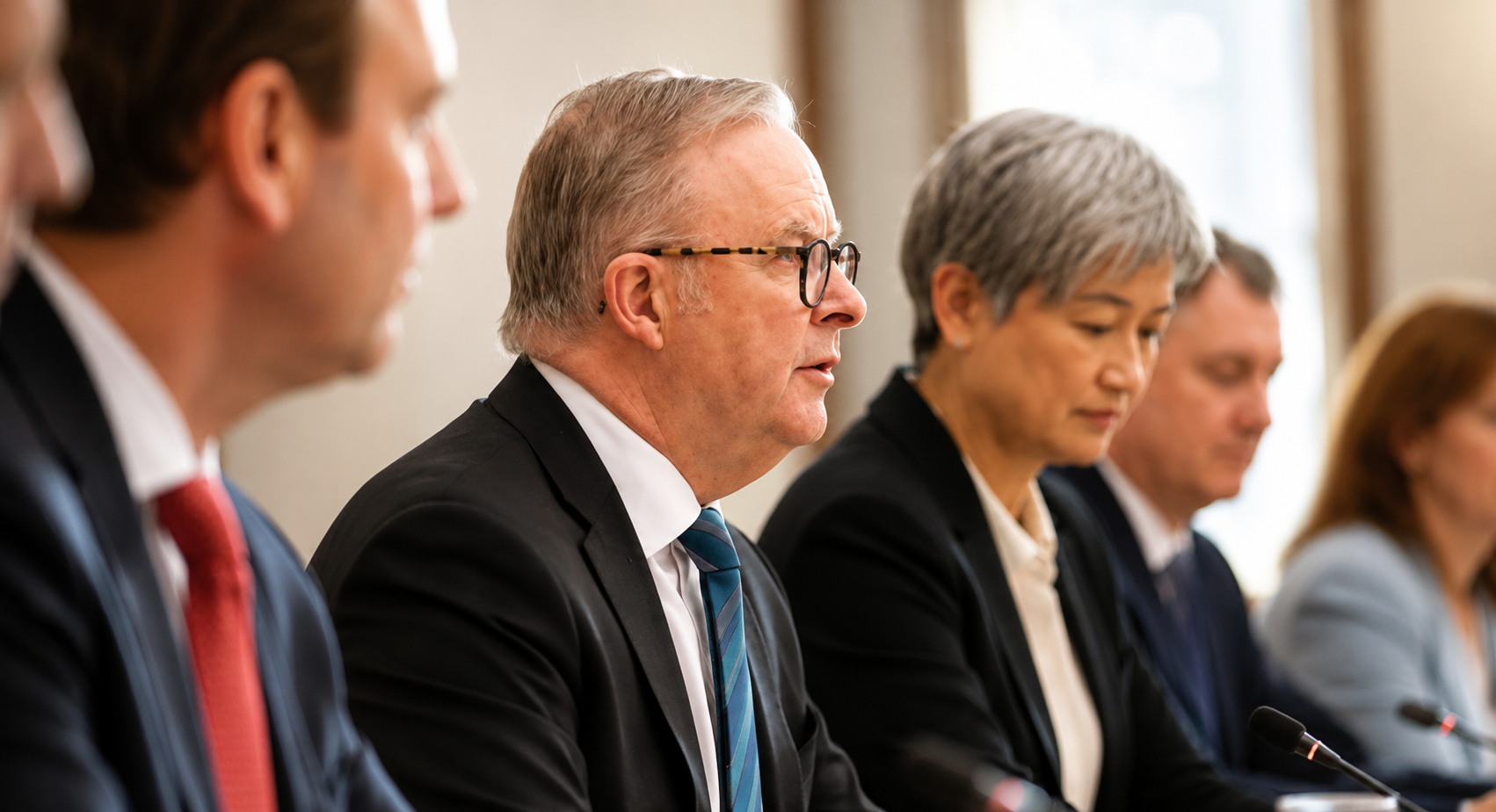
The Albanese Government has indicated that it is cooperating with the Royal Commission and has emphasised that the inquiry operates independently. Under Australia’s Royal Commission framework, commissioners—not ministers or government—determine which witnesses are required to appear and what evidence will be examined. The Government has said it will continue providing documents and assistance requested by the inquiry.
The current hearings are examining a broad range of issues extending beyond the attack itself. Witnesses have provided evidence about online antisemitism, hate speech on social media, responses by public institutions, the experiences of victims and the effectiveness of existing legal and regulatory frameworks. Additional hearings are expected to consider media organisations, technology platforms and government agencies.
Evidence presented to the Commission has included testimony from survivors, community leaders and security experts. Several witnesses have described experiencing sustained online abuse following the Bondi attack and have argued that stronger enforcement powers, improved coordination between agencies and faster responses to extremist content may be necessary. Other submissions have focused on improving protection for vulnerable communities and strengthening counter-terrorism capabilities.
Legal observers note that Royal Commissions possess extensive powers to compel witnesses and documents where commissioners consider them relevant. However, they also point out that decisions about which public officials ultimately testify depend on the Commission’s assessment of what evidence is necessary to fulfil its terms of reference. A request from interested parties does not automatically result in a summons being issued.
The Royal Commission was established following the Bondi terrorist attack and is tasked with examining both the events leading up to the attack and broader issues affecting antisemitism and social cohesion in Australia. Its work is expected to continue through further public hearings before final recommendations are delivered to the Government.
As hearings continue, the inquiry is likely to remain an important forum for examining how governments, institutions and communities respond to extremist threats while balancing public safety, civil liberties and social cohesion. Whether additional senior ministers will be called to give evidence will ultimately be determined by the Royal Commission itself based on its ongoing assessment of the evidence before it.






