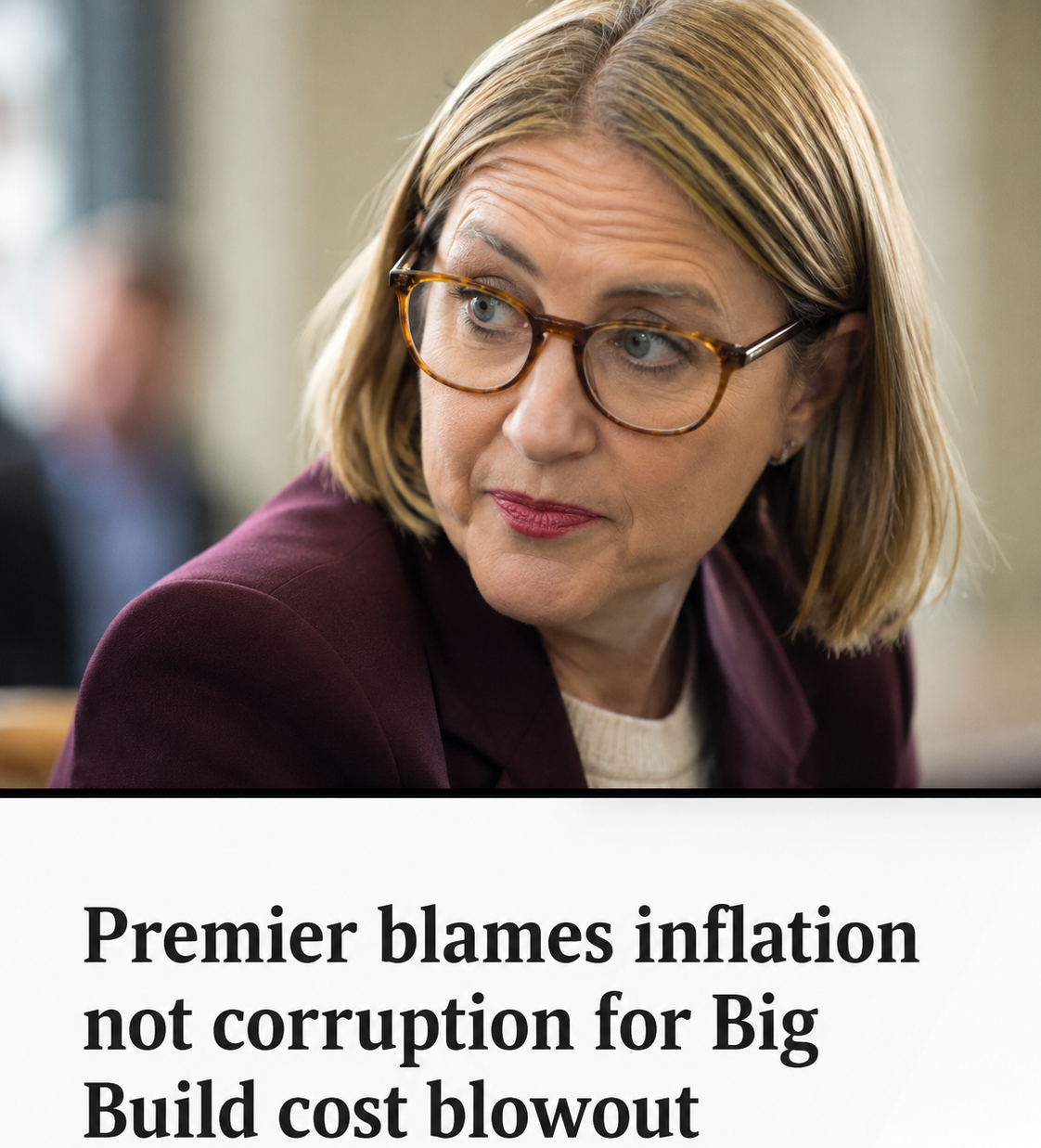
Victoria’s multibillion-dollar Big Build infrastructure program has returned to the centre of political debate after Premier Jacinta Allan argued that inflation, rather than corruption, has been the primary driver of rising project costs.
The comments came amid renewed scrutiny following fresh media investigations into alleged criminal activity connected with parts of the state’s construction sector. The reports have prompted further calls for an independent inquiry into whether unlawful conduct contributed to higher costs across major public infrastructure projects.
Speaking after the latest allegations emerged, Premier Jacinta Allan said inflationary pressures remained the principal reason why several major infrastructure projects had become more expensive than originally forecast. She said higher construction costs, increased wages, supply chain disruptions and broader economic conditions had affected infrastructure projects across Australia and internationally, not only in Victoria.
Allan also rejected suggestions that cost overruns should automatically be attributed to corruption. While acknowledging that serious allegations had been raised regarding conduct within parts of the construction industry, she maintained there was no evidence of corruption by the Victorian Government itself. The Premier said any credible evidence of criminal activity should be referred directly to Victoria Police and relevant regulatory agencies for investigation.
The latest political pressure follows media reports alleging that organised crime figures continued receiving payments connected to some construction projects despite earlier reforms. Those reports also renewed debate over whether unlawful practices involving contractors or union-linked individuals may have increased costs on publicly funded infrastructure works. The allegations remain the subject of ongoing investigation and have not been determined by a court.
Opposition parties argue the latest revelations strengthen the case for a Royal Commission with powers to examine procurement practices, relationships between contractors and unions, and whether criminal conduct influenced project costs. They contend that a judicial inquiry would provide greater transparency and help restore public confidence in the management of major taxpayer-funded infrastructure.
Several integrity experts have expressed similar views. Geoffrey Watson SC, who has investigated corruption allegations involving the Victorian CFMEU, disputed the suggestion that inflation alone explains the cost increases. He argued that while inflation has affected construction costs generally, allegations of unlawful conduct should also be examined independently rather than dismissed as a secondary issue.
The Victorian Government continues to oppose establishing a Royal Commission. Ministers argue that existing agencies already possess the necessary investigative powers and point to recent enforcement actions, including criminal charges and the cancellation of labour hire licences, as evidence that authorities are actively responding to alleged misconduct where evidence exists.
The Big Build remains one of Australia’s largest infrastructure programs, encompassing major rail, road and tunnel projects intended to improve transport capacity across Victoria. Regardless of the ongoing political debate, construction continues on numerous projects while separate police and regulatory investigations into alleged criminal conduct remain active.
As further information emerges, discussion is likely to remain focused on two distinct questions: what factors have contributed to rising project costs, and whether Victoria’s existing oversight framework is sufficient to investigate allegations of corruption and prevent similar issues in future public infrastructure projects.






