Plans to install a bronze statue of former Victorian Premier Daniel Andrews have prompted renewed public debate, with supporters describing the project as recognition of long public service while critics question whether taxpayer funding is appropriate at a time of continuing financial pressure.
The sculpture is being commissioned under a long-standing Victorian policy that recognises premiers who serve more than 3,000 days in office. Andrews became eligible after leading Victoria for almost nine years before resigning in 2023, making him the fifth premier to qualify for the honour.
The Victorian Government confirmed that work on the bronze sculpture has already begun and that the project will cost A$134,304. Meridian Sculpture, the company responsible for creating the existing statues of former Victorian premiers displayed along Treasury Place, was selected through the government’s standard procurement process. Once completed, the statue will join those of John Cain Jr, Rupert Hamer, Henry Bolte and Albert Dunstan outside the state government offices.
Government representatives said the decision follows a policy introduced by former Liberal premier Jeff Kennett during the 1990s. Under that policy, Victorian premiers who serve more than 3,000 days are recognised with a permanent public sculpture honouring their contribution to the state. Officials said the arrangement applies regardless of political party and is intended to acknowledge lengthy service rather than endorse particular government policies.
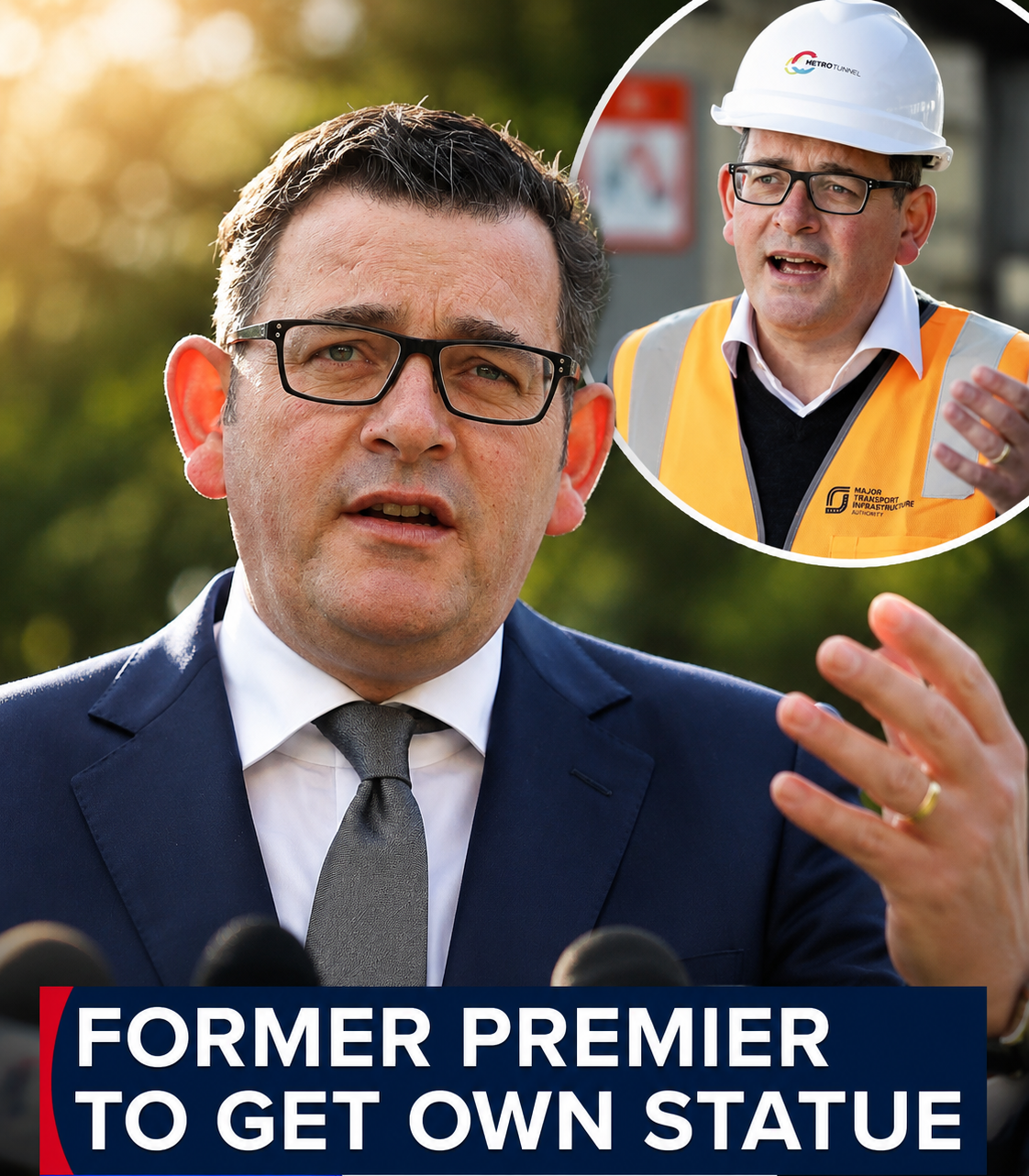
Premier Jacinta Allan defended the project, saying Daniel Andrews served Victoria through significant events, including the COVID-19 pandemic, and spent nearly nine years leading the state. She argued that proceeding with the sculpture is consistent with an established government policy rather than a new initiative created specifically for the former premier.
Criticism has nevertheless been widespread. Opposition figures and several commentators argue that the expenditure comes at a time when many Victorians remain concerned about cost-of-living pressures, rising public debt and government spending priorities. Some have questioned whether public funds should be used for commemorative monuments while the state faces ongoing financial challenges. Others argue that statues of living political figures can be particularly divisive because public opinion on their legacy may continue evolving over time.
Former premier Jeff Kennett, whose government introduced the 3,000-day policy, has also criticised the decision. While acknowledging that the policy exists, he said erecting the statue now represents an unnecessary expense and argued governments should carefully consider spending priorities in the current economic environment.
Supporters of the proposal counter that public monuments often recognise historical significance rather than universal popularity. They note that Andrews became one of Victoria’s longest-serving premiers and oversaw major reforms, infrastructure projects and the state’s response to the COVID-19 pandemic. From that perspective, they argue the statue reflects the length of his service rather than a judgement that every policy decision during his premiership was universally supported.
The proposal has also prompted broader discussion about how governments commemorate former political leaders. Some observers believe automatic recognition based primarily on length of service provides consistency and avoids political discretion. Others argue each case should instead be assessed individually, taking into account historical impact, public sentiment and changing community expectations before permanent monuments are commissioned.
Installation details for the sculpture have not yet been announced, with the Victorian Government indicating they will be finalised closer to completion. As work continues, the project is likely to remain part of a wider conversation about public memory, political legacy and how governments balance recognition of past leaders with current fiscal priorities.






