Australia’s debate over tax reform continues to evolve following the passage of the federal government’s property tax package, with investors, business groups and political leaders offering sharply different views on how the changes may influence future investment, housing affordability and economic growth.
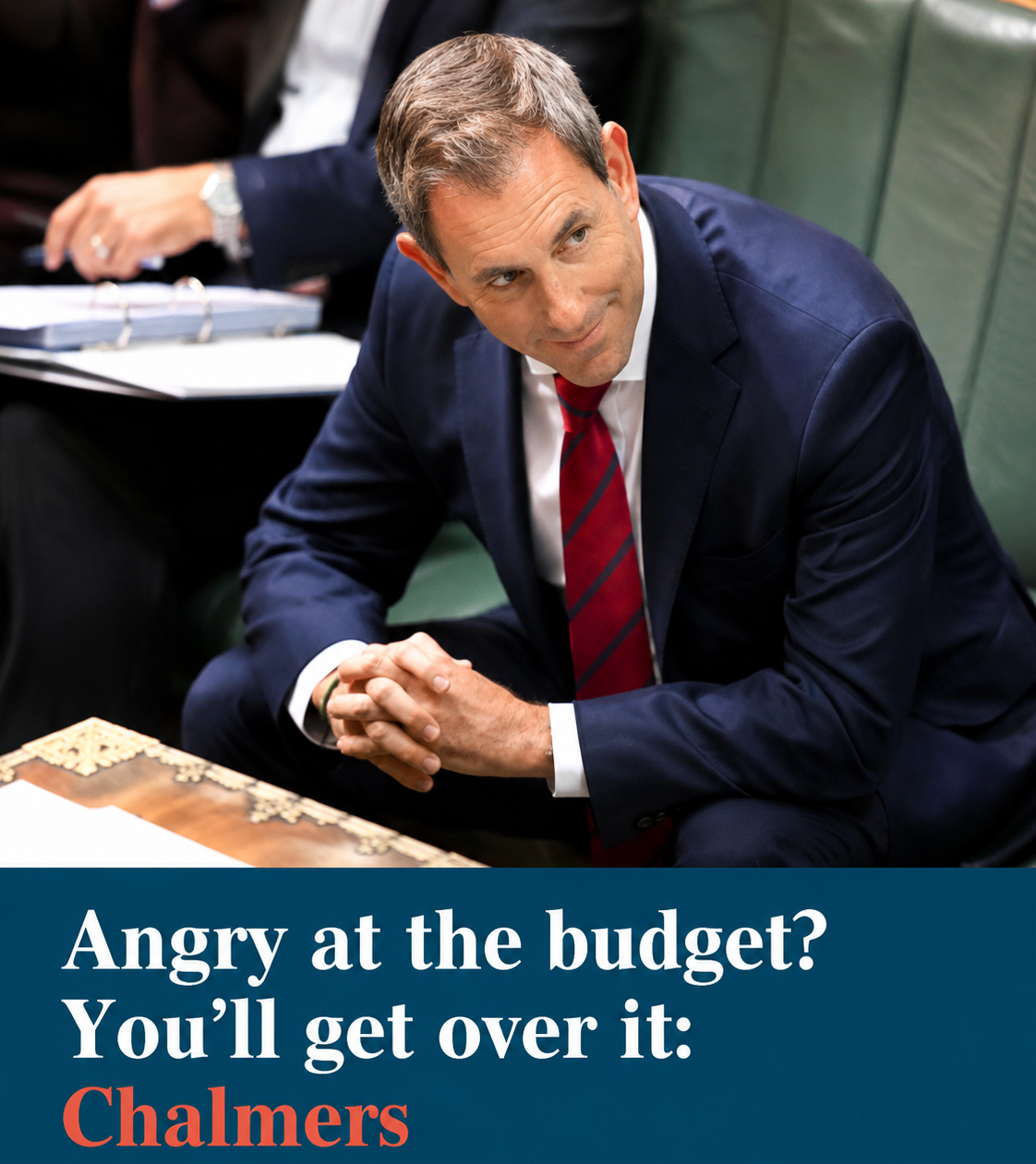
The discussion has intensified after Treasurer Jim Chalmers argued that public concern surrounding the May budget would diminish over time as Australians judged the reforms by their long-term outcomes rather than the initial political controversy that followed their announcement.
The reforms include significant changes to Australia’s capital gains tax discount and negative gearing arrangements, together with several concessions added during negotiations with crossbench parties. According to the government, the package is intended to improve housing affordability, strengthen intergenerational fairness and encourage investment in newly constructed housing rather than existing residential property. Ministers argue that these structural reforms are designed to address long-term challenges rather than deliver immediate political benefits.
Jim Chalmers has acknowledged that the reforms generated strong public debate, particularly because they represented changes from earlier election commitments. However, he has argued that governments sometimes need to adjust policy in response to changing economic conditions and that voters will ultimately assess whether the reforms achieve their intended objectives. According to the Treasurer, the success of the package should be measured by its long-term impact on housing and the broader economy rather than by short-term political reactions.
Many investors and industry representatives remain unconvinced. The Australian Investment Council and several business groups argue that the concessions negotiated during the legislative process remain too narrow, particularly for technology start-ups, venture capital investment and other higher-risk sectors. They warn that reduced tax incentives could discourage investment, limit capital available to growing businesses and encourage some investment activity to move elsewhere.
Critics also argue that confidence is an important element of any tax system. Some believe investors place significant value on policy stability and that unexpected changes to long-standing tax arrangements can influence future investment decisions even when transitional concessions are provided. Several opposition figures have argued that maintaining predictable tax settings is essential for encouraging long-term investment across the economy.
The government rejects suggestions that the reforms are anti-investment. Ministers maintain that the objective is not to discourage investment generally but to rebalance incentives in ways that improve access to housing while preserving support for productive business activity. Officials also note that consultation on some technical aspects of the reforms is continuing and that additional implementation details will be finalised through subsequent legislation where necessary.
Economists remain divided over the likely long-term effects. Some argue that reducing tax concessions on existing residential property may gradually improve opportunities for owner-occupiers, while others caution that housing affordability depends on a much broader combination of factors including housing supply, planning systems, construction costs, interest rates and population growth. Similarly, investment decisions are influenced by many considerations beyond taxation alone, including market conditions, business confidence and access to finance.
The political debate has also highlighted broader questions about public trust in government. Supporters of the reforms argue that responding to emerging economic challenges sometimes requires governments to revise previous positions. Opponents counter that changes to election commitments can affect confidence even when governments believe the policy outcome is justified. Those competing views have become a central feature of the discussion surrounding this year’s budget.
With implementation of the reforms extending over several years, many of their practical effects will not become immediately apparent. Market participants, business organisations and policymakers are therefore expected to continue monitoring investment activity, housing conditions and economic performance as the new tax framework is gradually introduced.
For now, the debate reflects two competing priorities that have shaped Australia’s tax discussion for many years: improving housing affordability while maintaining a policy environment that continues to encourage investment and economic growth. How effectively the current reforms balance those objectives will become clearer as their long-term effects emerge.






