Australia’s debate over multiculturalism and national identity has entered a new phase after New South Wales Premier Chris Minns directly challenged Pauline Hanson’s recent comments while simultaneously acknowledging that One Nation’s growing electoral support represents a genuine political challenge for the Labor Party.
The exchange highlights how questions surrounding immigration, social cohesion and cultural identity have become increasingly prominent in Australian politics. As opinion polls continue showing stronger support for One Nation than in previous election cycles, both major parties are reassessing how they respond to the issues driving voter concern.
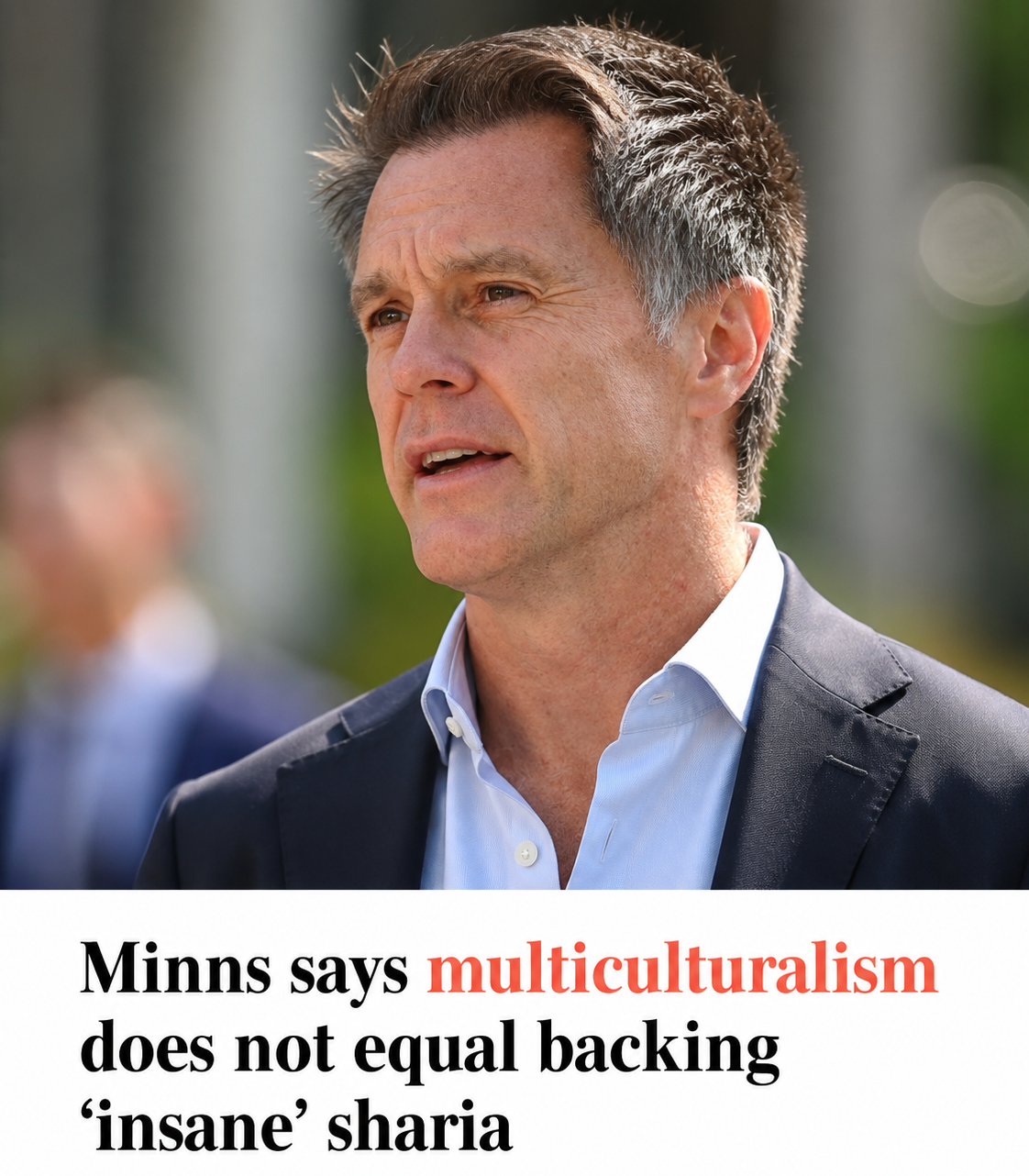
Speaking about recent comments made by Pauline Hanson, Chris Minns rejected suggestions that supporting multiculturalism is equivalent to supporting extremist religious laws, describing that comparison as “utter garbage”. He argued that Australia has successfully developed as a multicultural society built on democratic institutions, equality before the law and shared civic values. Minns said governments should continue defending those principles while also recognising legitimate public concerns about housing, infrastructure and migration.
Despite his criticism of Hanson’s rhetoric, Minns also delivered a warning to his own party. He said Labor should not dismiss One Nation’s recent rise in opinion polls or assume its support would fade without engagement. Instead, he argued Labor needs to confront the party politically and respond to the issues motivating many of its voters. According to Minns, treating One Nation solely as a fringe movement risks overlooking broader dissatisfaction among sections of the electorate.
One Nation has continued arguing that high migration, pressure on housing, rising living costs and concerns about national identity explain its recent increase in public support. The party maintains that Australia’s immigration settings should be substantially reduced and has promoted proposals centred on stronger border controls, lower migration levels and what it describes as greater cultural integration.
Labor rejects many of those arguments. Government representatives have consistently defended multiculturalism as one of Australia’s strengths while acknowledging that population growth, housing affordability and infrastructure remain major policy challenges. Ministers argue these issues should be addressed through increased housing construction, planning reform and targeted economic policies rather than by attributing them to a single cause.
The political importance of the debate extends beyond New South Wales. Recent national polling has suggested One Nation has gained support across several states, prompting discussion within both Labor and the Coalition about how to respond to shifting voter priorities. Housing affordability, immigration, cost-of-living pressures and confidence in government continue ranking among the issues Australians identify as most important when assessing political parties.
Political analysts note that the current debate reflects two overlapping questions. One concerns Australia’s long-standing commitment to multiculturalism and how governments balance cultural diversity with social cohesion. The other focuses on whether traditional parties are adequately addressing economic pressures that many voters associate with rapid population growth, including housing availability, transport infrastructure and access to public services.
Opinion polling also suggests that support for minor parties has become more volatile in recent years. While polling provides an indication of current public sentiment, analysts caution that election outcomes are influenced by many additional factors, including local candidates, preference flows and campaign performance. As a result, shifts in polling do not necessarily predict the final distribution of parliamentary seats.
With state and federal elections approaching over the coming years, debates surrounding immigration, multiculturalism and national identity are expected to remain prominent. Both major parties face the challenge of responding to voter concerns while presenting policies capable of addressing housing affordability, infrastructure demands and economic pressures in a rapidly changing political environment.
Whether One Nation can maintain its recent momentum remains uncertain. What is already clear is that its rise has prompted senior political leaders from across the spectrum to engage more directly with the issues driving its support, ensuring that immigration, multiculturalism and social cohesion will remain central themes in Australia’s political discussion.






