Australia’s housing market has entered a period of heightened uncertainty following the federal budget, with falling auction clearance rates, weaker buyer confidence and renewed debate over whether recent tax reforms will improve affordability or create additional pressure on renters and aspiring homeowners.
The discussion has intensified as property professionals, economists and political leaders continue offering sharply different assessments of Labor’s housing strategy. While supporters argue the reforms are designed to make home ownership more accessible over the long term, critics believe the changes risk discouraging investment at a time when Australia continues facing a shortage of housing.
Recent auction results illustrate the market’s changing mood. Clearance rates across several major cities have fallen to levels not seen since the pandemic period, with many auctions attracting fewer bidders than earlier in the year. Property analysts say buyer confidence has weakened as households assess the potential impact of tax reforms, interest rates and broader economic uncertainty.
Among the most closely watched changes are reforms affecting negative gearing, capital gains tax concessions and aspects of property investment through self-managed superannuation funds. Industry groups argue these measures may reduce investor participation in the established housing market, potentially limiting the future supply of rental properties if fewer investors purchase homes available for lease. Critics say that outcome could place additional upward pressure on rents over time.
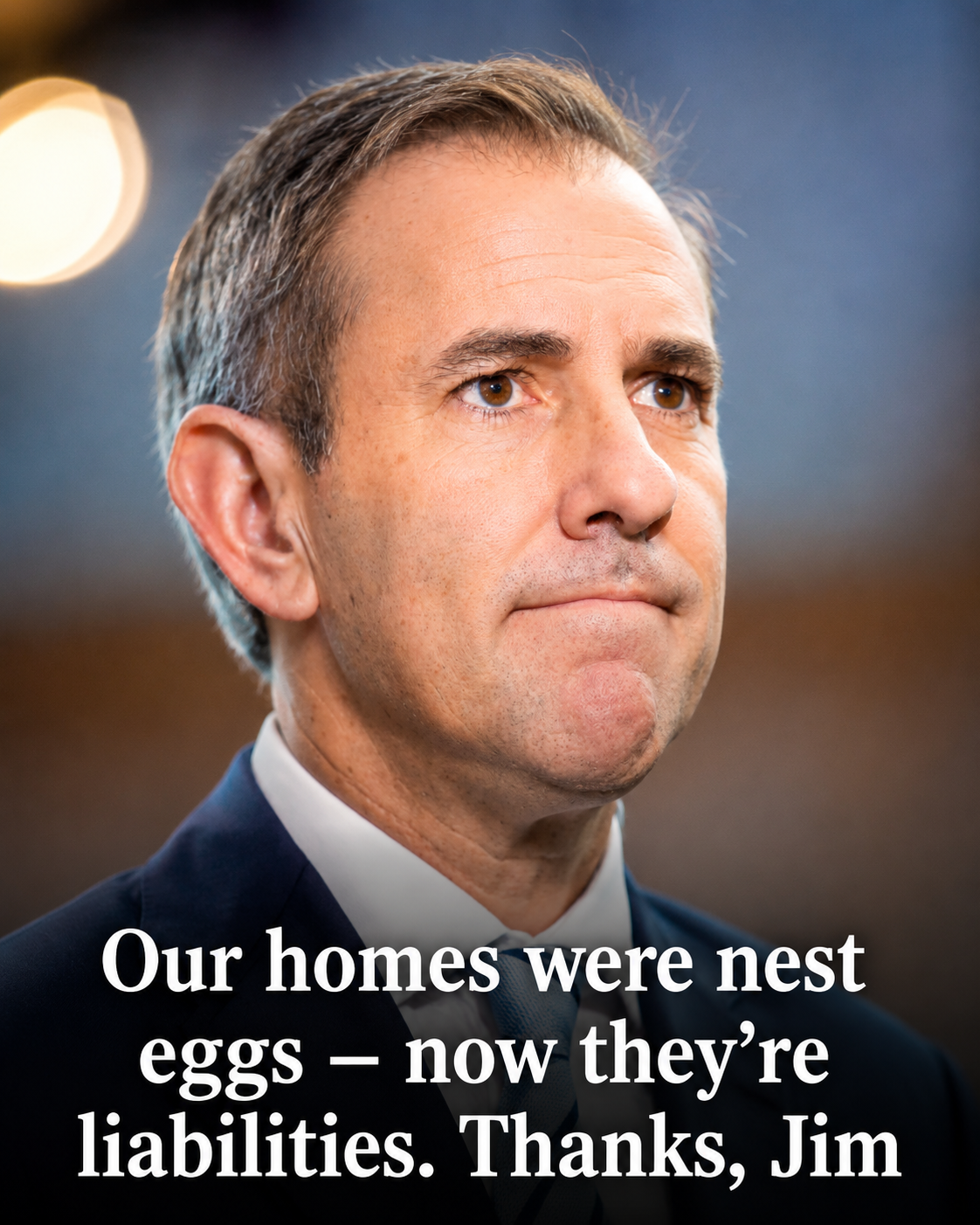
The Albanese government rejects claims that the reforms are intended to undermine the property market. Ministers have argued the objective is to improve fairness within the tax system while encouraging greater investment in newly constructed housing rather than existing homes. The government also maintains that increasing housing supply remains central to its long-term affordability strategy and says short-term market fluctuations should not be interpreted as the final measure of the reforms’ success.
Economists caution that housing affordability is influenced by far more than taxation alone. Interest rates, population growth, construction costs, labour shortages, planning approvals and the availability of development land all affect both home prices and rental markets. Many analysts therefore expect future housing outcomes to depend on how these factors interact over the coming years rather than on any single policy change.
First-home buyers face a mixed environment. Softer auction conditions have reduced competition in some suburbs, allowing buyers more time to inspect properties and negotiate prices. At the same time, many prospective purchasers remain concerned about borrowing costs, future property values and broader economic conditions before committing to a purchase.
Property investors are also reassessing their plans. Some have delayed acquisitions while waiting for greater certainty regarding future tax arrangements and market conditions. Real estate professionals report that sellers in several regions have become more willing to negotiate, reflecting slower sales activity and changing buyer expectations. Whether that trend continues will depend on confidence returning to the market in the months ahead.
Housing remains one of the most important political issues facing Australia. Rising rents, home ownership challenges and limited housing supply continue to dominate public discussion, with different political parties proposing contrasting solutions involving taxation, migration, planning reform and construction incentives.
Market specialists generally agree that Australia’s housing challenges developed over many years and are unlikely to be resolved quickly. While the current debate has focused heavily on the latest budget, long-term improvements are expected to depend on sustained increases in housing supply together with policies that balance affordability, investment confidence and the needs of both homeowners and renters.
As new economic data becomes available, governments, industry groups and property analysts will continue evaluating whether the recent reforms achieve their intended objectives. For now, the combination of softer auction results, policy changes and ongoing housing shortages has ensured that Australia’s property market will remain one of the country’s most closely watched economic issues.






