Australia’s latest federal budget has become the focus of an increasingly heated political debate after new polling suggested many voters remain unconvinced that the government’s economic and housing policies will improve their financial future.
The findings have intensified discussion around one of the country’s biggest challenges—housing affordability. While the Albanese government argues its reforms are designed to help more Australians enter the property market over the long term, critics believe the measures could make conditions more difficult for investors without solving the underlying shortage of homes.
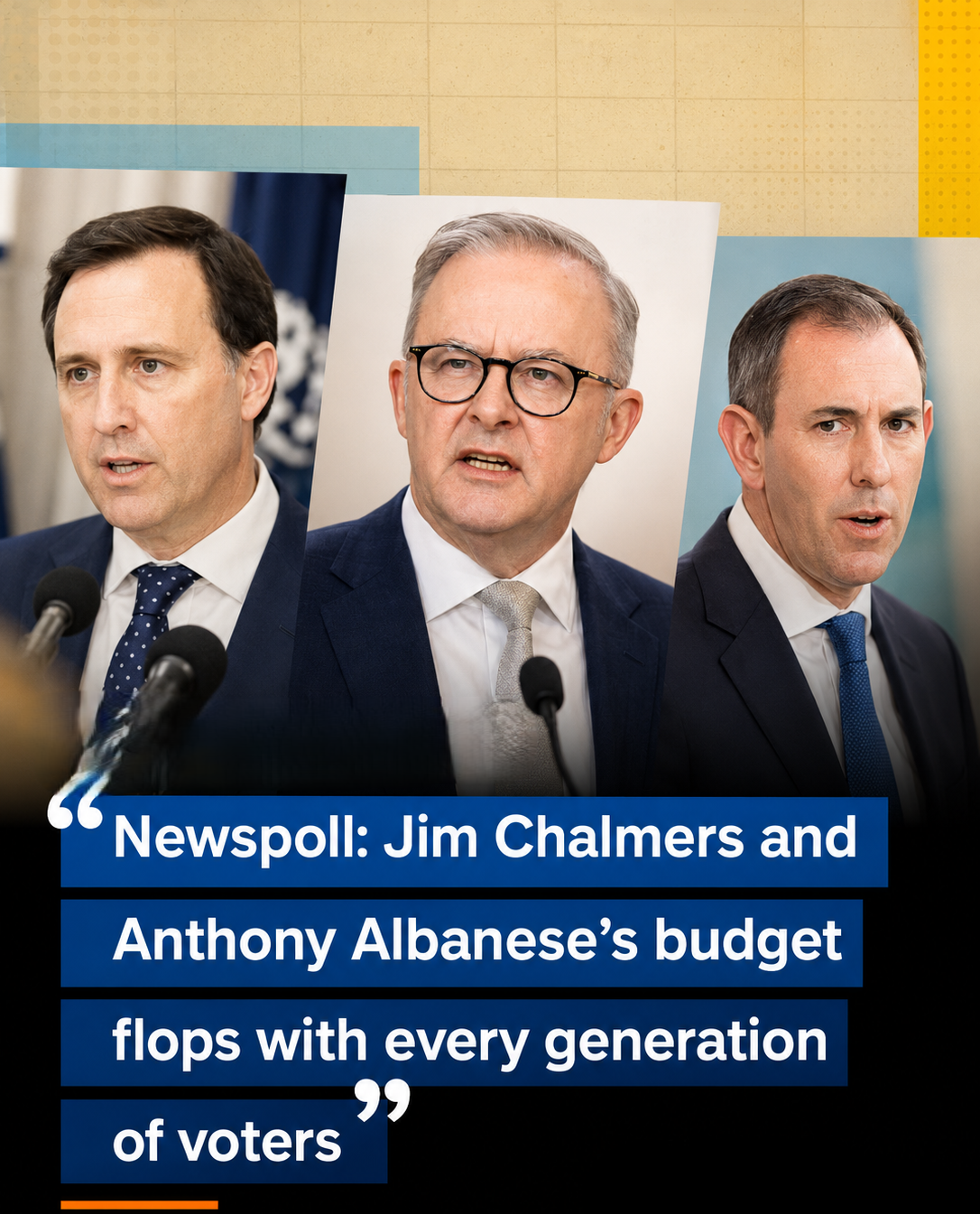
According to the latest Newspoll, the federal budget received its weakest economic rating since 1993. The survey found that many Australians expected to be financially worse off over the coming year, while confidence in several major budget measures remained limited. Housing emerged as one of the most contentious issues, with around 60 per cent of respondents indicating Labor’s housing initiatives were either moving in the wrong direction or would make little difference to affordability.
The government has defended its approach, arguing that changes to negative gearing and capital gains tax are intended to reduce tax incentives for investment in existing homes while encouraging more construction of new housing. Ministers have repeatedly stated that the reforms are designed to improve opportunities for first-home buyers without affecting existing investment properties through grandfathering provisions. They also argue that meaningful housing reform requires long-term structural changes rather than short-term political decisions.
Opposition parties and several crossbench representatives have challenged that assessment. Some argue the tax changes could discourage private investment, reduce rental supply and place additional pressure on tenants. Others contend that Australia cannot meaningfully improve housing affordability without also addressing population growth, infrastructure capacity and housing construction rates.
Migration has become another major point of disagreement. Some political parties argue that rapid population growth is placing additional pressure on housing demand and believe lower migration would ease competition for homes. The government responds that migration supports economic growth, fills workforce shortages and should be considered alongside policies aimed at increasing housing supply rather than viewed as the sole cause of affordability problems.
Economists remain divided over the likely long-term effects of the reforms. Some believe reducing tax incentives for established property investment could eventually improve access for owner-occupiers, while others argue that supply constraints remain the dominant factor behind Australia’s housing affordability challenges. Planning approvals, construction costs, labour shortages and infrastructure delays continue to influence the number of new homes entering the market each year.
The polling results also illustrate the political risks associated with major tax reform. Governments introducing significant economic changes often face short-term resistance before any longer-term effects become visible. Treasurer Jim Chalmers has acknowledged that the budget was unlikely to generate an immediate boost in public support because it involved difficult policy decisions rather than broad spending increases.
Housing affordability continues to rank among the issues Australians identify as their highest priority. Rising property prices, rental costs and interest rates have affected households across different age groups, making housing policy a central issue in public debate. That explains why reactions to the budget have focused as much on housing measures as on broader taxation and government spending.
Political analysts note that opinion polling reflects public sentiment at a particular point in time rather than predicting the long-term success or failure of policy. Whether the government’s housing reforms improve affordability will depend on how investment patterns, housing construction and population growth evolve over the coming years.
For now, the latest polling suggests the housing debate remains one of the defining challenges facing the Albanese government. As Parliament continues considering further housing initiatives, both supporters and critics are likely to keep scrutinising whether the current reforms can deliver more affordable homes while maintaining confidence in Australia’s broader property market.






