Australia’s long-running debate over national identity has returned to the centre of federal politics after One Nation leader Pauline Hanson renewed her call for a “monoculture”, prompting criticism from Labor and renewed scrutiny of how the Coalition responds to increasingly divisive cultural issues.
The latest controversy began after Hanson argued that Australia should move away from multiculturalism in favour of a stronger shared national culture. During the discussion, she also stated that the burqa would have no place within the type of monocultural society she was describing. Her comments quickly became one of the week’s most widely debated political issues.
Government ministers responded by defending Australia’s multicultural model, arguing it has helped shape modern Australia while allowing people from diverse backgrounds to integrate under common democratic institutions and the rule of law. Housing Minister Clare O’Neil was among those criticising the Opposition, accusing Coalition leader Angus Taylor of failing to clearly reject Hanson’s position during initial media interviews.
Taylor’s response itself soon became part of the story. When repeatedly asked whether he supported multiculturalism, he initially questioned how the term was being defined rather than offering an immediate endorsement. After criticism from Labor and other political figures, he later clarified that the Coalition supports a multicultural Australia built around shared national values, including democracy, equality before the law and mutual respect.
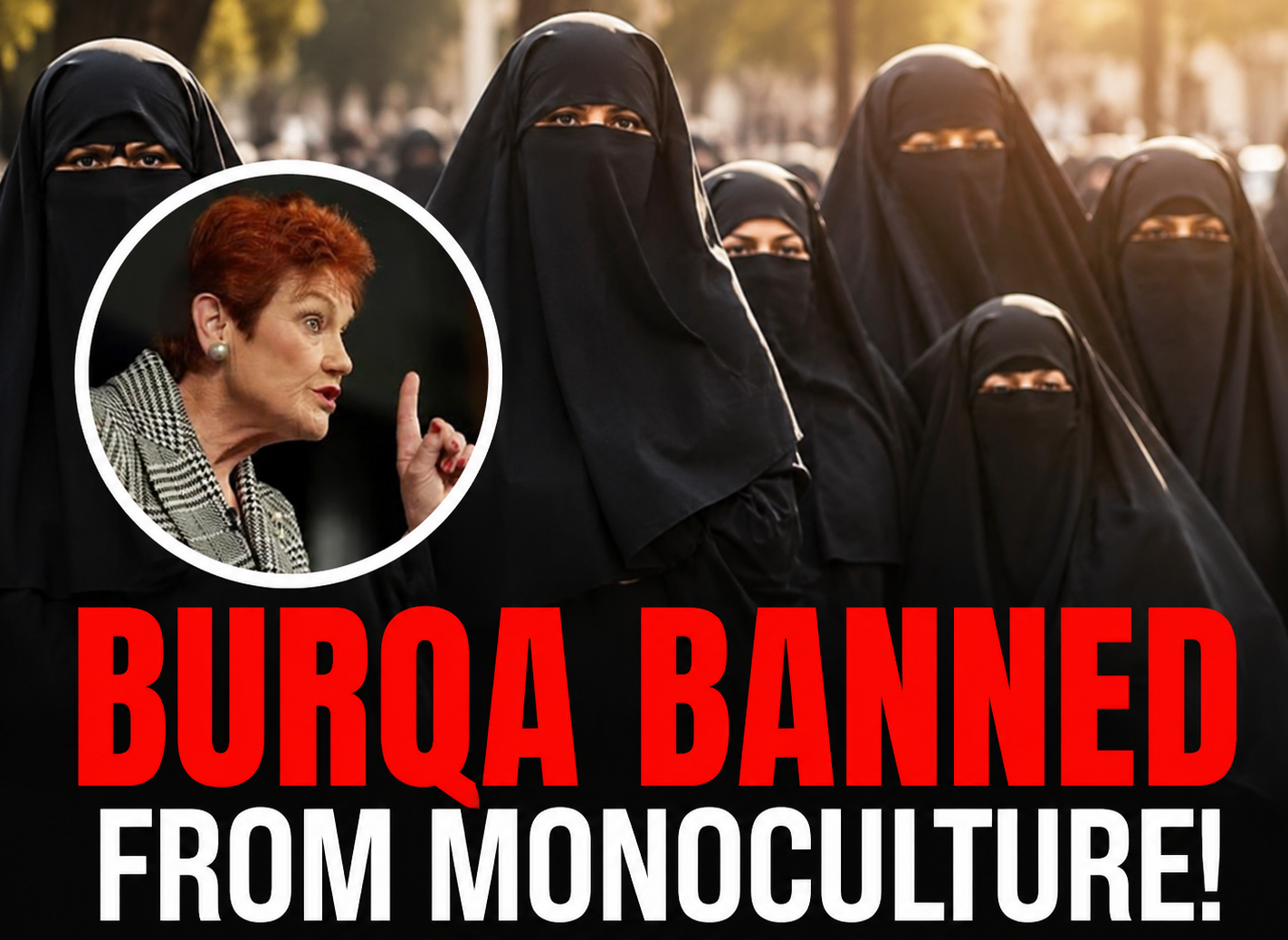
One Nation has defended its position, arguing that its use of the term “monoculture” refers to encouraging stronger national cohesion rather than preventing people from maintaining aspects of their cultural heritage. Party representatives say their proposal focuses on ensuring Australians share common civic values and expectations regardless of their ethnic or religious backgrounds. Critics, however, argue the language risks alienating minority communities and oversimplifies the way Australian society has developed over many decades.
The discussion has also highlighted broader questions about Australia’s immigration and integration policies. Supporters of multiculturalism point to Australia’s long record of welcoming migrants from around the world while maintaining social stability and strong economic growth. They argue cultural diversity has become an important feature of modern Australian society and contributes to innovation, business and community life.
Those advocating a stronger emphasis on national identity argue that successful migration depends not only on welcoming newcomers but also on encouraging integration around common institutions, language proficiency and shared civic responsibilities. While there is disagreement over terminology, many participants in the debate acknowledge the importance of balancing cultural diversity with national cohesion.
The political significance of the issue extends beyond cultural policy alone. One Nation’s growing support in recent opinion polling has increased pressure on the Coalition as it seeks to retain conservative voters while also appealing to a broader national electorate. As a result, questions about multiculturalism, immigration and national identity have become increasingly prominent within Australia’s political debate.
Political analysts note that these debates have regularly resurfaced throughout Australia’s modern history, often during periods of changing migration patterns or heightened concern about social cohesion. Successive governments from both major parties have generally supported multiculturalism while emphasising that all Australians are expected to respect the country’s democratic institutions and legal system.
For many voters, the immediate political question is less about the terminology itself and more about how major parties respond to increasingly polarised cultural debates. The reactions from Labor, the Coalition and One Nation suggest that questions surrounding immigration, identity and national values are likely to remain important issues leading into future elections.
Whether Australia’s political discussion ultimately moves toward greater consensus or deeper division remains uncertain. What is already clear is that the latest exchange has expanded beyond one speech, becoming part of a broader national conversation about multiculturalism, social cohesion and the values that Australians believe should define the country’s future.






