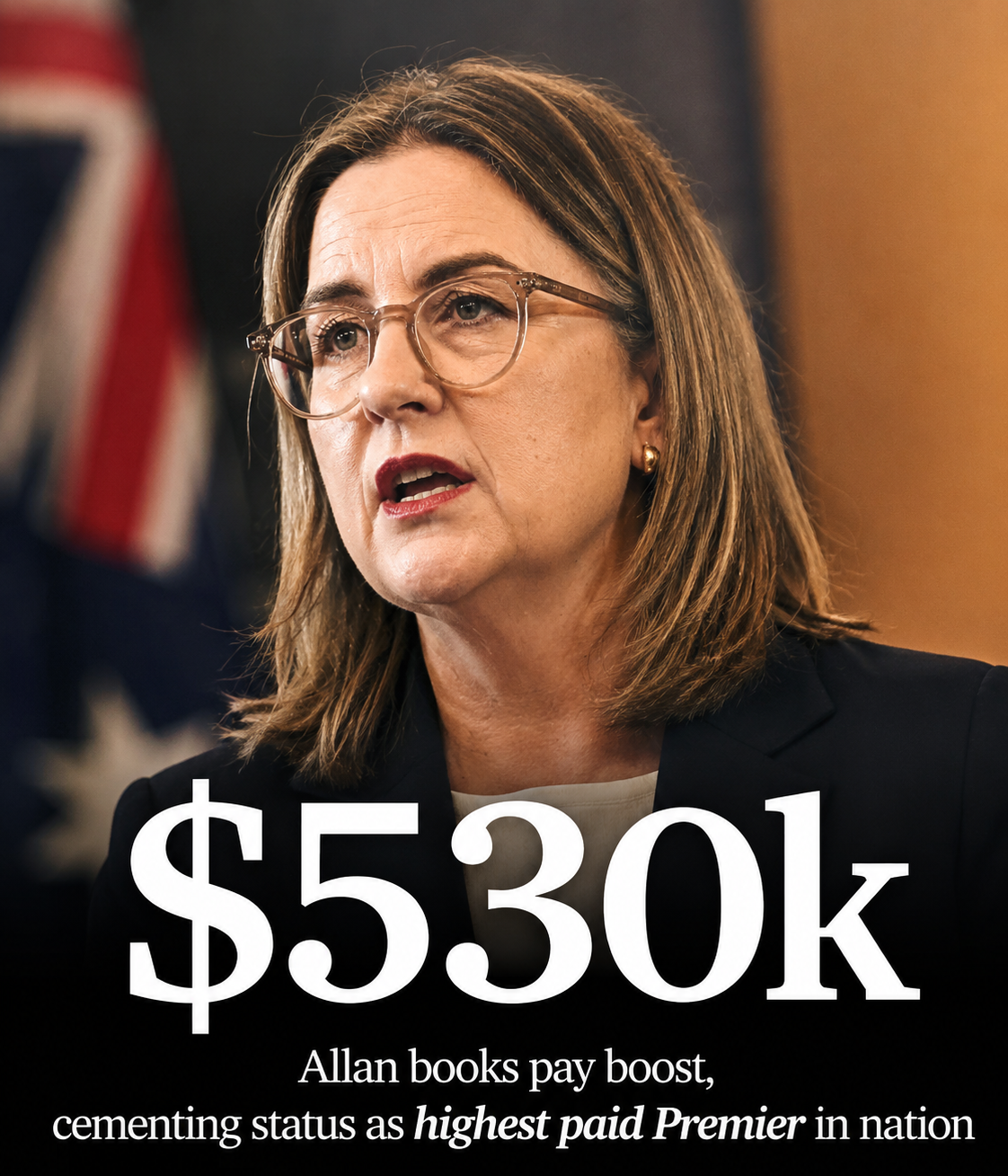
Victorian politicians will receive a 3.5 per cent salary increase from July 1 after the state’s independent remuneration tribunal approved a new determination, lifting Premier Jacinta Allan’s total annual salary and allowances to more than $530,000.
The decision has immediately drawn attention because it comes while many Victorian households continue dealing with higher living costs, elevated interest rates and ongoing debate about the state’s financial position. Although the increase was determined independently of the government, it has nevertheless reignited discussion about how politicians’ salaries should be set during periods of economic pressure.
Under the tribunal’s decision, the base salary for Victorian backbench MPs will increase to approximately $220,000 a year. Additional office-holder salaries and parliamentary allowances mean senior ministers, opposition leaders and the Premier receive substantially larger remuneration packages reflecting their responsibilities.
For Premier Jacinta Allan, the adjustment lifts her total annual remuneration package above $530,000, making her Australia’s highest-paid state premier. The package includes her parliamentary salary together with allowances attached to the office of Premier under Victoria’s remuneration framework.
In explaining its decision, the Victorian Independent Remuneration Tribunal said it considered inflation, cost-of-living pressures, broader wage movements and the state’s fiscal outlook. The tribunal acknowledged community expectations regarding public spending and stated that it believed the increase demonstrated “restraint” despite approving the pay rise.
The tribunal noted that the increase remains below Victoria’s annual headline inflation rate and below the recent 4.75 per cent increase awarded to Australia’s national minimum wage. It also observed that MPs’ circumstances differ significantly from those of lower-paid workers, whose financial pressures were considered separately by the Fair Work Commission.
The decision has attracted renewed political debate because Victoria continues to face significant financial challenges. State budget forecasts project net debt to continue increasing over the coming years before gradually declining as a share of the economy. Against that backdrop, questions are likely to continue about public sector spending and remuneration for elected representatives.
Supporters of the independent remuneration process argue that politicians should not determine their own salaries and that an independent tribunal provides greater transparency by applying consistent criteria. They also note that parliamentary salaries are reviewed annually using economic indicators rather than being set directly by the government of the day.
Critics, however, argue that salary increases for elected representatives can appear disconnected from the financial pressures facing many households. With housing costs, energy bills and other everyday expenses remaining major concerns across Victoria, some believe any increase for politicians should be more closely aligned with broader public sector wage outcomes.
The tribunal’s annual review also considered remuneration levels in other Australian jurisdictions, broader public sector salary decisions and Victoria’s long-term fiscal strategy. Similar reviews are conducted each year to determine salaries and allowances for MPs and certain senior public office holders.
The pay rise extends beyond the Premier. Ministers, parliamentary office holders and the Opposition Leader will also receive adjusted remuneration under the tribunal’s determination, while allowances relating to travel and official duties have also been updated in line with the review.
Although the salary adjustment was determined independently rather than by Parliament itself, the announcement is likely to remain part of the wider discussion about government spending, public sector wages and economic management in Victoria. As cost-of-living pressures continue to dominate political debate, remuneration decisions affecting elected officials are expected to receive close public scrutiny.






