Australia’s housing debate has entered a new phase as economists, politicians and property experts continue arguing over what the federal government’s tax reforms will ultimately mean for home values, affordability and the future of the property market.
Much of the discussion has focused on one central question: if the government’s changes contribute to lower house prices, should Australians see that as a success or a warning sign? The issue has divided opinion because falling prices could improve affordability for some buyers while also affecting investors, existing homeowners and housing construction.
The latest debate follows Labor’s changes to negative gearing and capital gains tax arrangements for future investment properties. The government argues the reforms are designed to improve access to housing for first-home buyers by reshaping investment incentives over time rather than affecting existing property owners.
Critics, however, argue the policy could discourage private investment in new housing at a time when Australia continues to face significant supply shortages. They warn that fewer investors may mean fewer rental properties entering the market, potentially placing additional pressure on rents even if property prices soften.
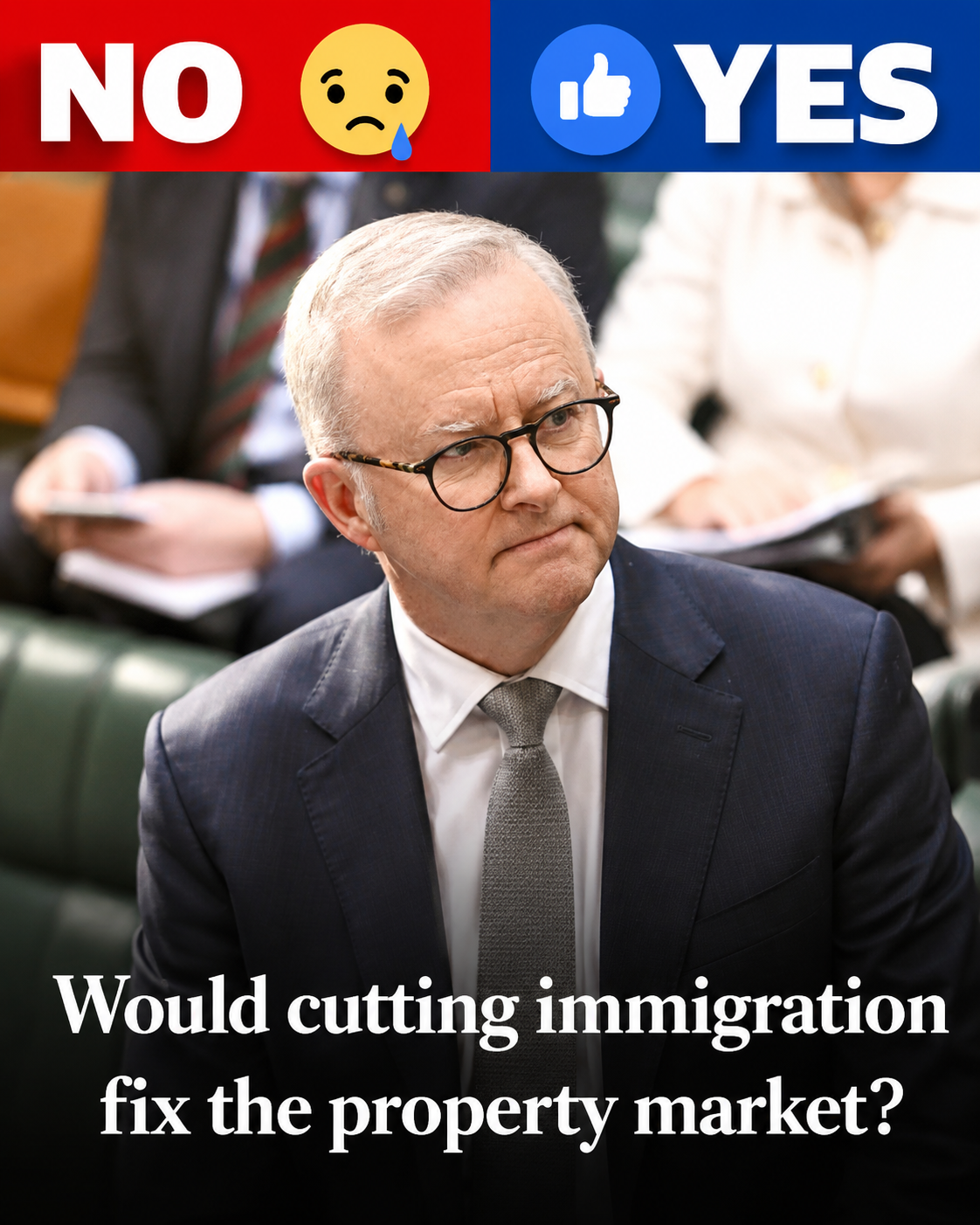
Another part of the discussion has centred on migration. Some commentators argue Australia’s rapid population growth has become one of the strongest drivers of housing demand and contend that reducing migration would ease pressure on both home prices and the rental market. From that perspective, they believe changes to migration policy would address demand more directly than changes to tax settings.
Others disagree, pointing out that Australia’s housing shortage has developed over many years due to a combination of population growth, planning restrictions, construction costs, labour shortages and insufficient housing supply. They argue migration is only one factor and that addressing affordability will require increasing the number of homes being built rather than relying on a single policy solution.
The debate also reflects the unique role housing plays in Australia’s economy. For many households, a home is both a place to live and their largest financial asset. That means policies which reduce prices may benefit prospective buyers while simultaneously affecting household wealth, consumer confidence and state government revenue generated through property transactions.
Queensland’s latest budget papers illustrate that broader concern. The state has projected lower stamp duty revenue as federal housing tax reforms influence property transactions and market activity, highlighting how changes in housing policy can have consequences beyond individual buyers and sellers.
The Albanese government has maintained that the long-term objective is to improve affordability for younger Australians who have struggled to enter the property market after years of rapid price growth. Ministers argue structural reform is necessary even if some parts of the market experience adjustment during the transition.
Property industry groups continue to express concern that investor confidence could weaken if returns become less attractive under the new tax rules. They argue Australia’s housing challenge is fundamentally a supply problem and say encouraging additional construction should remain the highest priority alongside broader affordability measures.
At the same time, housing affordability remains one of the issues most closely watched by Australian families. First-home buyers, renters, investors and existing homeowners all have different priorities, making it difficult for any single policy to satisfy every group affected by the market.
Whether the government’s reforms ultimately improve affordability or create unintended consequences will become clearer only as the changes take effect over the coming years. For now, the discussion has expanded well beyond taxation alone, becoming a broader national debate about housing supply, migration, investment and the best way to make home ownership more achievable for future generations.






