The Australian Greens are facing renewed questions about their political identity after backing several pieces of Labor legislation, prompting critics to argue the party has shifted from being a force that challenges governments to one that increasingly helps them govern.
The debate intensified this week following commentary comparing the Greens to the former Australian Democrats, a minor party that was once known for holding governments to account but was later criticised by opponents for regularly negotiating legislation through parliament. The comparison has reignited discussion about what voters now expect from Australia’s third-largest political party.
The criticism centres on the Greens’ recent agreements with the Albanese government over several key bills. Opponents argue the party had previously threatened to block elements of Labor’s legislative agenda before ultimately supporting amended versions, raising questions about whether its negotiating strategy still reflects the image of a party willing to take a hard line against the government.
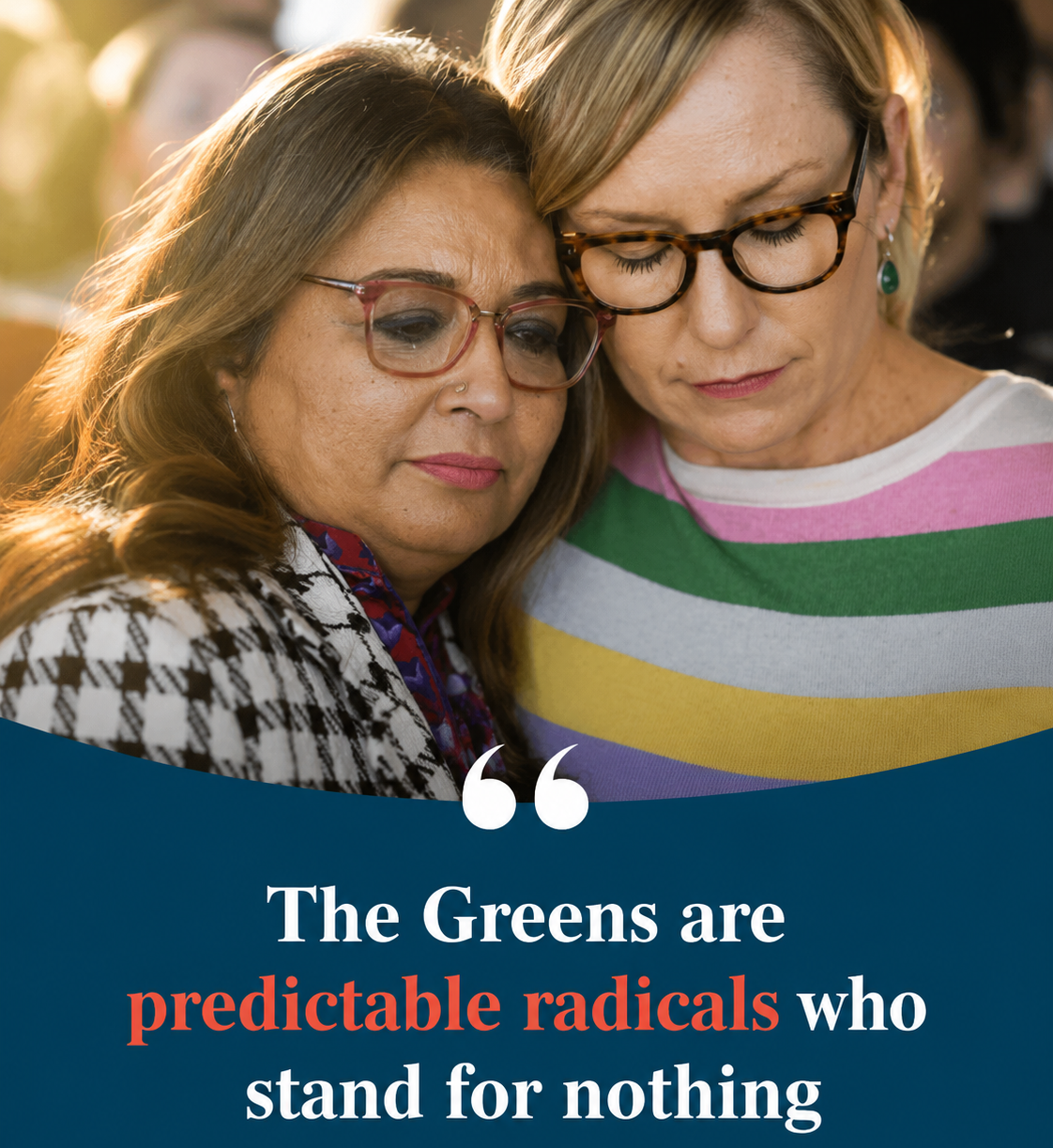
Supporters of the Greens reject that characterisation. They argue the party’s role in parliament is not simply to oppose legislation but to improve it. According to Greens representatives, negotiations secured changes to government proposals before the party agreed to vote in favour, demonstrating influence rather than surrender.
The discussion comes during a period of broader reflection for the Greens following recent electoral setbacks. The party lost several lower-house seats at the last federal election despite maintaining a significant national vote share, leading both supporters and critics to debate whether its message has drifted away from the issues that originally attracted many voters.
Some political commentators argue the Greens have increasingly focused on issues beyond environmental policy, including housing, taxation, foreign affairs and social justice. Supporters view that expansion as a natural evolution for a party seeking to influence national policy across a wider range of issues. Critics, however, argue the broader agenda has diluted the party’s original identity and made it harder to distinguish from Labor on many domestic policies.
The comparison with the Australian Democrats has become one of the more debated aspects of the latest commentary. The Democrats were once a significant crossbench force in federal politics, regularly negotiating amendments to government legislation before experiencing a long electoral decline. Critics of the Greens suggest a similar pattern could emerge if voters conclude the party has become too predictable in its parliamentary negotiations.
Others disagree with that assessment. They argue Australia’s Senate is designed to encourage negotiation and compromise, particularly when governments do not control enough seats to pass legislation alone. From that perspective, reaching agreements on amended bills is evidence that the parliamentary system is functioning as intended rather than proof that a minor party has abandoned its principles.
The internal direction of the Greens has also attracted attention following changes in the party’s leadership and ongoing debate about how it should rebuild after recent election results. Analysts continue to differ over whether the party should return its primary focus to environmental issues or continue presenting itself as a broader progressive alternative to Labor.
Whatever conclusion voters reach, the discussion reflects a larger question facing all minor parties in Australia’s parliament. Once a party gains enough influence to shape legislation, it must balance holding governments to account with deciding when compromise is necessary to secure policy changes. That balance is now at the centre of the debate surrounding the Greens.
As parliament continues to debate major economic and social reforms, the Greens are likely to remain under close scrutiny from both supporters and opponents. Whether recent agreements strengthen the party’s reputation as an effective negotiator or reinforce criticism that it has become too closely aligned with Labor will ultimately be judged by voters rather than political commentators.






