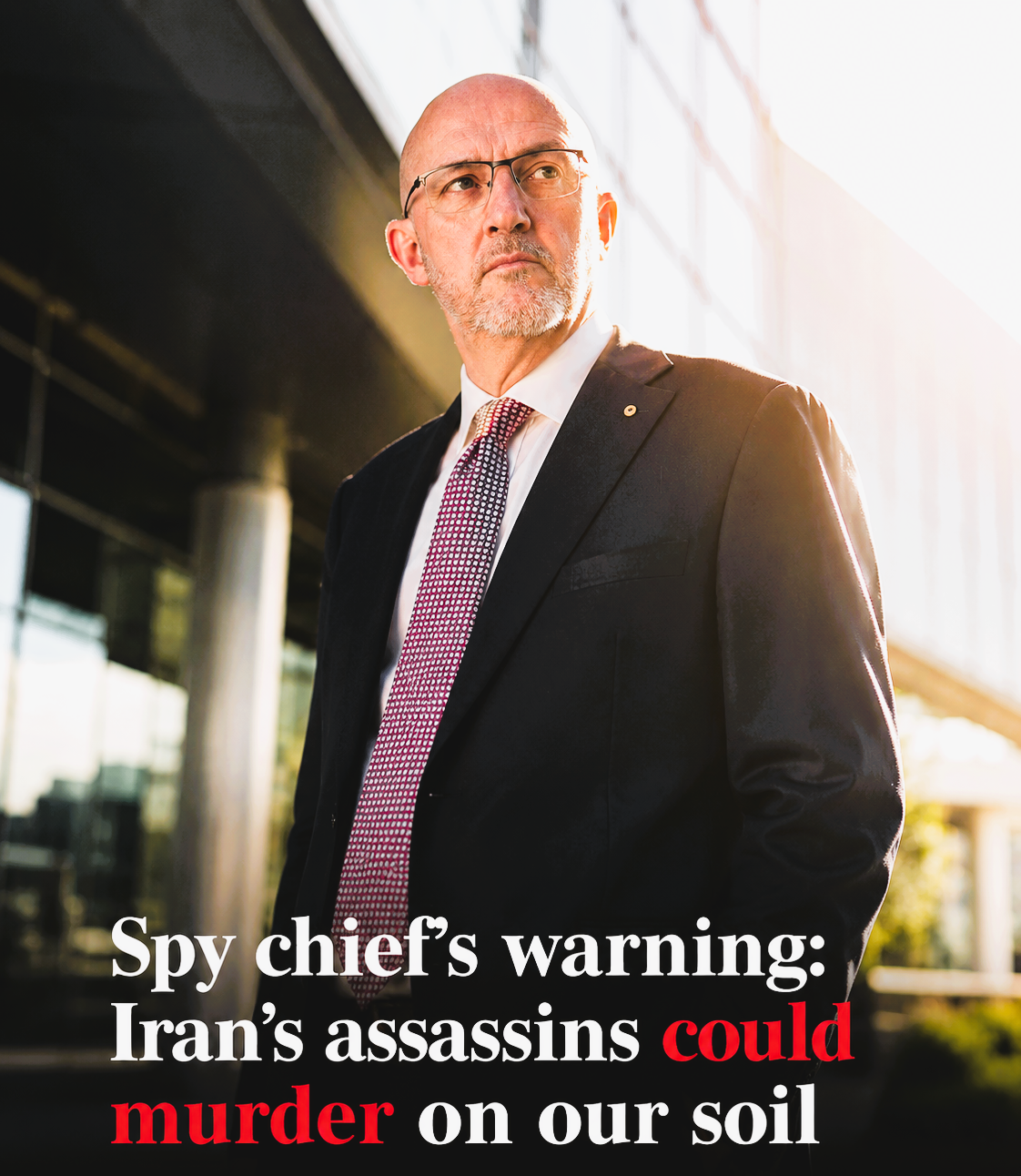
Australia’s domestic intelligence chief Mike Burgess has issued one of his strongest security warnings in recent years, saying the country’s terrorism environment has become increasingly complex following the Bondi attack and cautioning that Iran-aligned groups operating overseas could eventually attempt to expand their activities into Australia.
Delivering ASIO’s annual threat assessment, Burgess said he was “gravely concerned” by both the direction and intensity of the security challenges facing the country. While he stressed there was no indication of an imminent nationwide attack, he warned Australians should not assume the threat has diminished simply because several plots have already been disrupted.
Burgess revealed that ASIO has resolved 14 terrorism-related investigations since the Bondi terrorist attack, highlighting how intelligence agencies continue to face a broad range of threats from religiously motivated extremists, ideologically motivated violent extremists and foreign state-linked actors operating through increasingly indirect methods.
A significant part of the warning focused on an Iran-aligned organisation known as Harakat Ashab al-Yamin al-Islamia (HAYI), which intelligence agencies say has claimed responsibility for numerous attacks against Jewish targets in Europe during 2026. According to Burgess, the group’s methods demonstrate how overseas extremist networks can encourage or organise attacks without deploying large numbers of operatives into the countries they target.
Rather than relying on highly organised terrorist cells, Burgess said groups of this type have increasingly recruited local criminals through online platforms, allegedly offering payment for acts including vandalism, arson and targeted intimidation. Intelligence agencies believe this approach makes attacks more difficult to predict because those carrying them out may have little or no previous connection to organised extremist networks.
Although Burgess did not suggest that HAYI is currently conducting operations inside Australia, he warned the tactics already used overseas could potentially be replicated if extremist organisations seek to spread fear through symbolic attacks or politically motivated violence. His comments formed part of a broader assessment of how international conflicts can increasingly influence Australia’s domestic security environment.
The ASIO Director-General also pointed to the continuing impact of online radicalisation. He said encrypted communication platforms, social media and rapidly evolving online communities have made it easier for individuals to encounter extremist material from multiple ideological sources. In many cases, investigators are now seeing people influenced by a mixture of different extremist narratives rather than a single ideology.
Burgess emphasised that terrorism is only one element of Australia’s current security picture. His assessment also covered espionage, foreign interference, cyber intrusions and attempts by hostile states to influence or intimidate people living in Australia. According to ASIO, these threats increasingly overlap, creating a more complicated environment than existed even a few years ago.
Despite the warning, Burgess stressed that Australia’s intelligence and law enforcement agencies continue to disrupt potential attacks before they occur. Since 2014, ASIO says it has helped prevent dozens of major terrorist plots, while maintaining close cooperation with police and international intelligence partners. He nevertheless cautioned that no security agency can guarantee every future attack will be prevented, making public vigilance and early reporting of concerning behaviour an important part of Australia’s broader counter-terrorism strategy.
The assessment is not intended to suggest Australians should expect an immediate attack. Instead, Burgess said it reflects a changing security landscape in which threats emerge from multiple directions at once, including overseas conflicts, extremist propaganda, cyber activity and foreign state influence. His message was that Australia’s security agencies must continue adapting as those risks evolve.
For policymakers, the report is likely to shape future discussions around national security funding, intelligence capabilities and counter-terrorism priorities. For the broader public, it serves as a reminder that Australia’s security environment continues to evolve, even when many of the most serious threats never become visible because they are disrupted before reaching the public stage.






