Why Tough Political Interviews Matter To Democratic Accountability
Political interviews often become defining public moments.
Not because every answer changes policy.
But because they allow voters to see leaders respond under pressure.
Questions are asked without advance notice.
Explanations are tested in real time.
Millions of viewers form their own opinions.
A recent live television interview involving Prime Minister Anthony Albanese and Sunrise presenter Nat Barr has once again highlighted the important role that broadcast journalism plays in democratic accountability. While individual exchanges attracted significant attention, the broader story is about how political leaders explain their decisions and how journalists seek answers on issues that matter to the public.
Live interviews occupy a unique place in modern politics.
Unlike prepared speeches, they require immediate responses.
Leaders cannot easily revise their answers.
Journalists have opportunities to ask follow-up questions.
Viewers witness the exchange as it unfolds.
This immediacy often makes live interviews one of the most closely watched forms of political communication.
Journalists perform an important public role during these discussions.
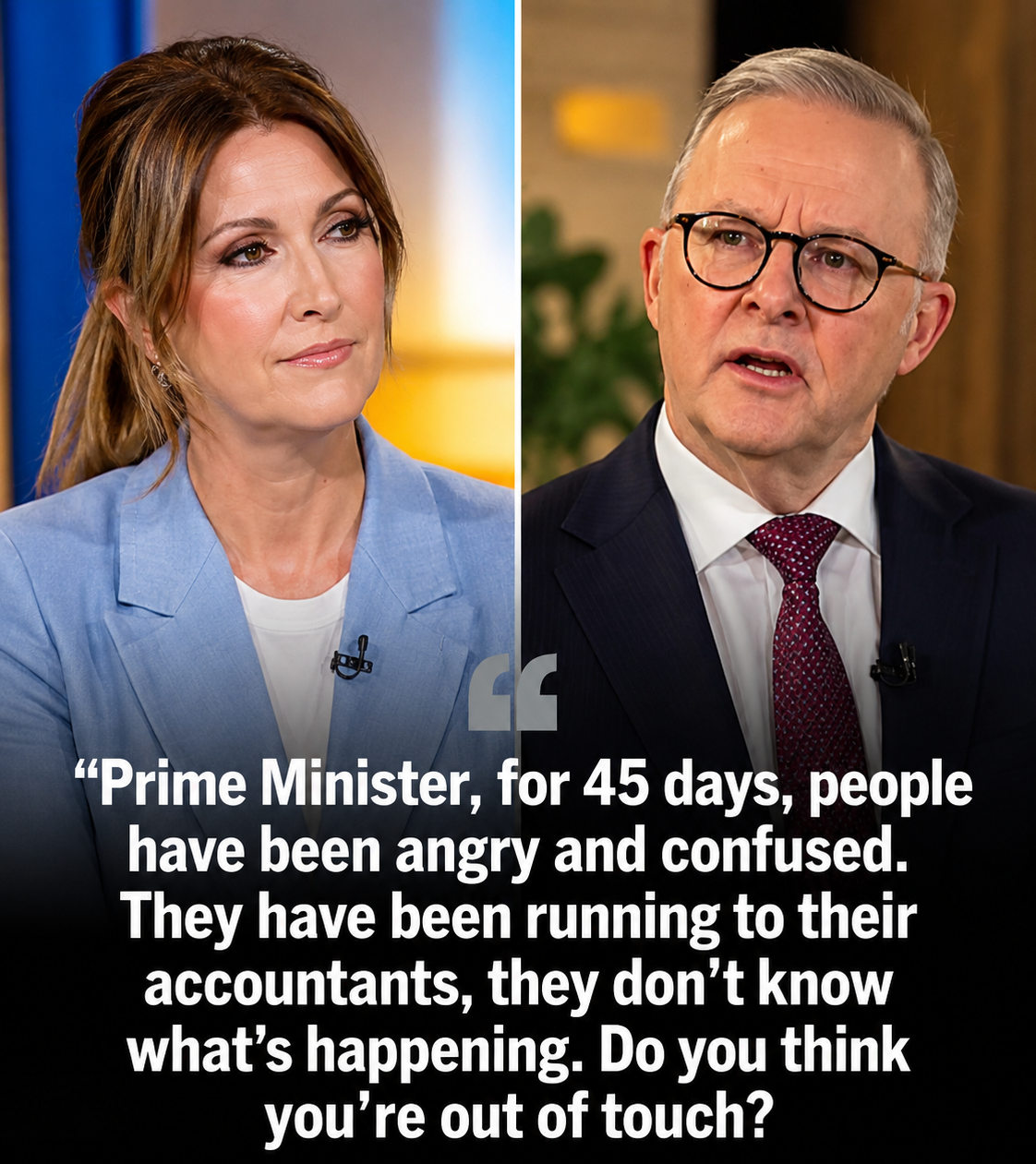
They ask questions reflecting concerns raised by voters.
Seek clarification.
Challenge assumptions.
Request greater detail where necessary.
These exchanges help citizens better understand how governments explain their policies.
Political leaders also benefit from these opportunities.
Interviews allow them to provide context, explain priorities and address criticism directly before a national audience.
Complex policy decisions often involve economic, legal and social considerations that cannot always be communicated through short public statements alone.
Economic issues frequently dominate these conversations.
Cost of living.
Housing affordability.
Tax policy.
Government spending.
Public services.
Because these matters affect households across Australia, interviews about them often attract particularly strong public interest.
The relationship between journalists and political leaders has always involved robust questioning.
Governments expect scrutiny.
Media organisations expect answers.
This dynamic contributes to transparency by allowing competing perspectives to be presented publicly.
Reasonable Australians may disagree about whether a particular interview was fair, persuasive or effective.
Some may believe journalists should press harder.
Others may feel leaders require greater opportunity to explain their positions.
These differing views are themselves part of democratic discussion.
Ultimately, the value of political interviews extends beyond any individual exchange.
They reinforce the principle that elected leaders remain accountable to the public throughout their time in office, not only during election campaigns.
Strong journalism, informed audiences and open political discussion remain essential components of a healthy democratic system.
Whether viewers agree with the questions or the answers, these conversations provide an opportunity for citizens to evaluate competing arguments and reach their own conclusions based on the information presented.






