Why Political Interviews Matter In A Healthy Democracy
Political interviews are rarely just conversations.
They are one of the primary ways voters hear policies explained.
Questions challenged.
Arguments defended.
Ideas examined.
In every democracy, these exchanges help shape public understanding.
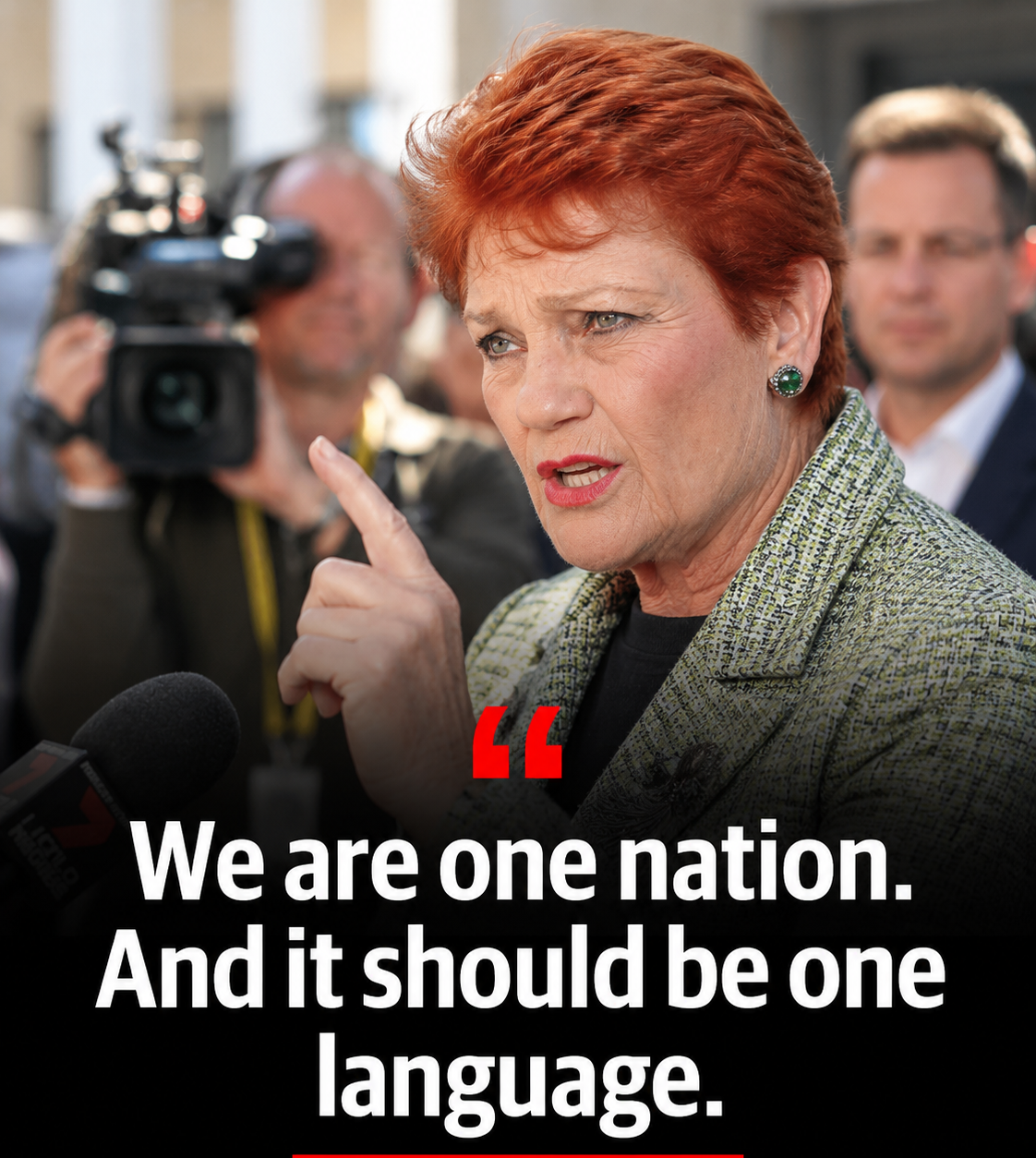
Recent exchanges involving Pauline Hanson and questions about her proposed vision of “monoculture” have again highlighted the important role political interviews play in public life. While the discussion focused on one policy position, the wider significance lies in how elected representatives explain their ideas and how journalists test those explanations on behalf of the public.
Political interviews serve several important purposes.
They allow politicians to explain policies in their own words.
They give journalists an opportunity to ask follow-up questions.
They help audiences hear competing interpretations of important issues.
Together, these elements contribute to informed public discussion.
Journalists perform an accountability function.
They seek clarification.
Request evidence.
Question assumptions.
Explore practical consequences.
This process helps voters better understand proposals before forming their own opinions.
Political leaders, meanwhile, often argue that interviews provide an opportunity to correct misunderstandings or place their comments into broader context.
Many contend that complex policy ideas cannot always be fully conveyed through brief headlines or short social media clips.
Longer interviews may therefore provide greater nuance.
As political communication increasingly moves online, moments from interviews are frequently shared in isolation.
Short excerpts.
Individual exchanges.
Brief quotations.
These clips often attract significant attention while leaving audiences to seek additional context elsewhere.
This reality has increased the importance of watching complete interviews and considering the full discussion where possible.
Reasonable people may reach different conclusions after hearing the same political exchange.
Some may find a politician’s explanation persuasive.
Others may remain unconvinced.
Both outcomes are consistent with democratic debate.
The responsibility ultimately rests with voters to assess competing arguments using reliable information from multiple sources.
Australia’s media landscape includes a wide range of broadcasters, newspapers and digital platforms.
This diversity enables citizens to compare reporting, evaluate different perspectives and develop their own understanding of public issues.
That plurality remains one of the strengths of democratic societies.
Political disagreement is inevitable.
Constructive questioning is equally important.
When journalists ask challenging questions and political leaders respond publicly, citizens gain greater insight into both the policies being proposed and the reasoning behind them.
Ultimately, the value of political interviews lies not in creating dramatic headlines but in helping voters make informed decisions.
Strong democracies depend on vigorous journalism, open political debate and an engaged public willing to consider evidence before reaching its own conclusions.






