How Should Communities Honour Military Service Amid Public Controversy?
Communities have long sought meaningful ways to recognise military service.
Memorials.
Scholarships.
Veterans’ centres.
Public ceremonies.
Named buildings.
Each reflects an effort to acknowledge sacrifice while preserving national history.
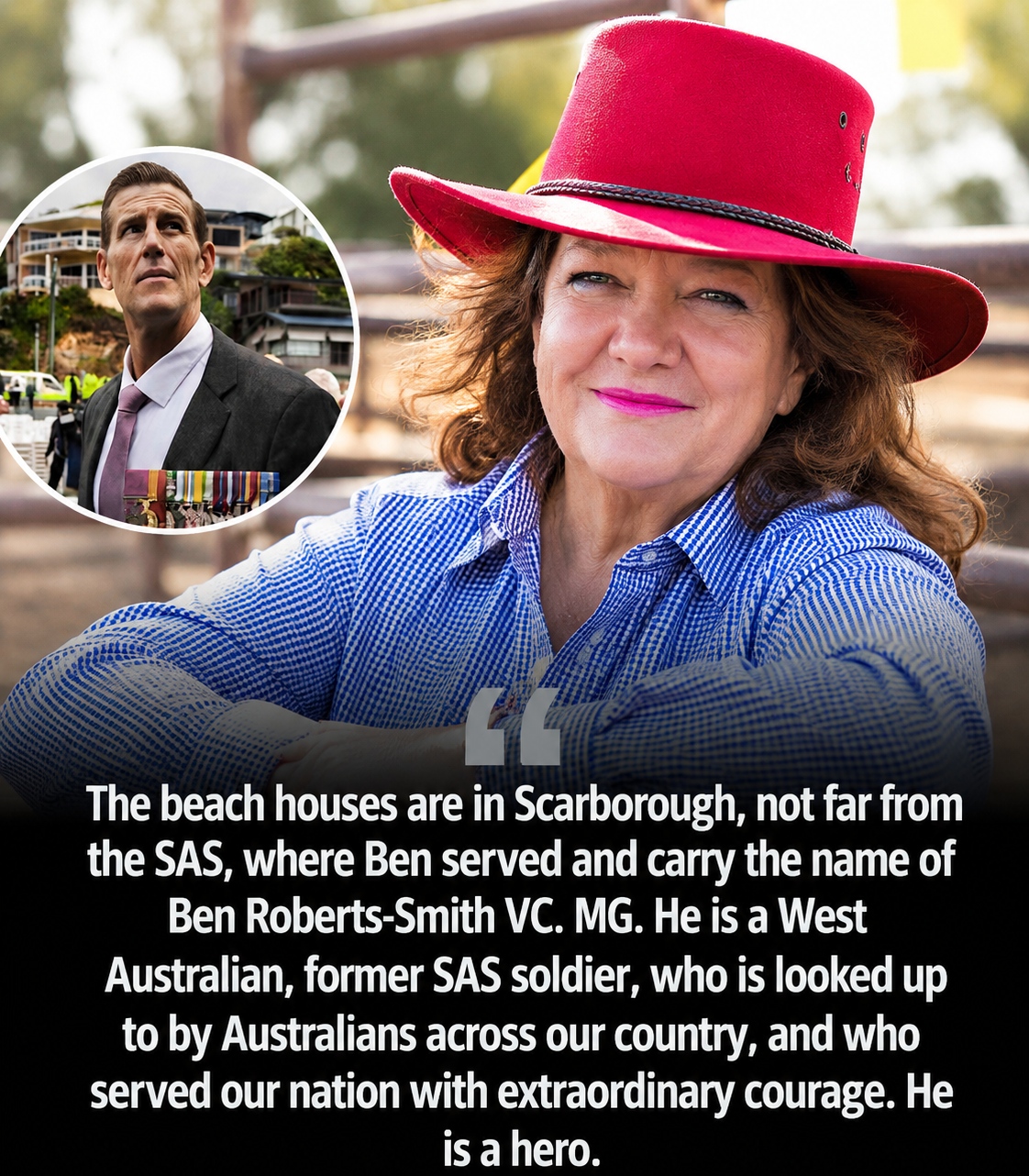
Recent attention surrounding the naming of a new housing complex for homeless veterans has highlighted a broader question extending beyond one individual. The discussion concerns how communities recognise military service while navigating public debate surrounding figures whose reputations have become contested.
The housing project itself addresses an issue that receives increasing attention across many countries.
Veteran homelessness.
Housing insecurity.
Access to support services.
Mental health.
Transitioning from military to civilian life.
Many organisations, charities and private donors have contributed to programs designed to assist former service personnel facing these challenges.
These initiatives often receive broad public support because they focus on practical assistance for people who have served their country.
Questions sometimes arise, however, when facilities are named after particular individuals.
Public memorials and honorary recognitions carry symbolic significance.
They communicate values.
Celebrate achievements.
Preserve historical memory.
For that reason, decisions about naming public facilities occasionally generate wider discussion.
Some Australians argue that distinguished military service deserves recognition where appropriate, particularly when projects are intended to honour veterans and inspire future generations.
Others believe that organisations should carefully consider how ongoing legal proceedings, public controversies or differing community views may influence perceptions of commemorative decisions.
These perspectives are not necessarily incompatible.
Both recognise the importance of supporting veterans.
They differ primarily on how public recognition should be expressed.
Australia has a long tradition of honouring military service through community initiatives.
Returned service organisations.
War memorials.
Veterans’ welfare programs.
Local commemorations.
Together, these efforts acknowledge both historical contributions and the continuing needs of former service members.
Housing remains one of the most important forms of practical assistance.
Stable accommodation can improve access to healthcare, employment opportunities and community support.
For veterans experiencing homelessness, these services may represent an important step toward rebuilding independence.
At the same time, public institutions and private organisations often recognise that commemorative decisions carry broader community meaning.
They may seek to balance historical recognition with evolving public expectations.
Reasonable people may reach different conclusions about individual naming decisions.
Some prioritise acknowledging military achievements.
Others place greater emphasis on the broader message conveyed through public honours.
Ultimately, both perspectives reflect a shared interest in supporting those who have served while maintaining public confidence in the institutions and organisations making those decisions.
As communities continue investing in veteran welfare, discussions about recognition, remembrance and public symbolism are likely to remain part of Australia’s broader conversation about military service and national identity.






