Why A Debate About Beachwear Became A Debate About Personal Freedom
Australia’s beaches have long been recognised as more than places to swim.
They are part of the country’s identity.
Places where families gather.
Tourists visit.
Communities celebrate summer.
Over time, beach culture has become closely associated with ideas of openness, recreation and personal freedom.
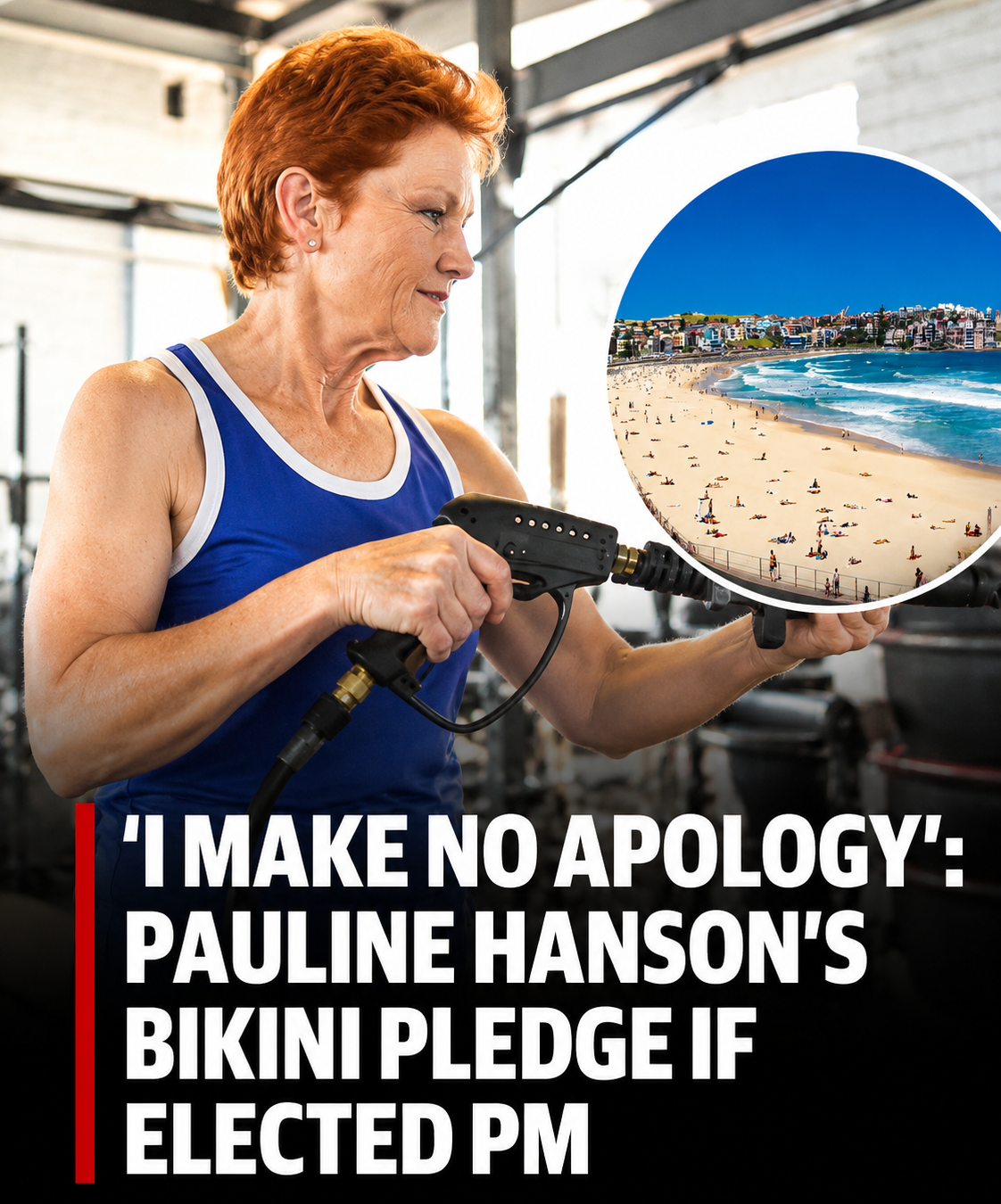
Recent comments from Pauline Hanson regarding the right of Australian women to wear bikinis have generated discussion that extends well beyond beachwear itself. The broader conversation concerns how democratic societies balance individual choice, cultural traditions and changing social expectations.
Personal freedom has always been an important principle in liberal democracies.
People generally expect to make lawful choices about their clothing, lifestyle and recreation without unnecessary interference.
That expectation applies across many aspects of everyday life.
At the same time, public spaces bring together people from many different backgrounds.
Australia is home to communities with diverse cultural traditions, religious beliefs and personal preferences.
Those differences naturally create ongoing conversations about shared public spaces and social expectations.
Supporters of individual choice argue that adults should remain free to decide what lawful clothing they wear in public, provided existing laws and public decency standards are respected.
From this perspective, personal autonomy represents one of the defining characteristics of an open society.
Others focus on a different principle.
Mutual respect.
They argue that increasingly diverse societies function best when individuals recognise that people may make different personal choices based on culture, religion or personal values.
Importantly, these perspectives do not always conflict.
Many Australians support both individual freedom and respectful coexistence.
The discussion therefore becomes less about one specific item of clothing and more about how democratic societies accommodate different ways of living.
Australia’s beach culture has evolved over many decades.
Fashion trends have changed.
Social attitudes have shifted.
Public expectations have developed.
Yet beaches have continued to reflect the country’s broad commitment to outdoor recreation and accessible public spaces.
Political debates occasionally draw attention to these cultural symbols because they resonate with many people.
Discussions about clothing often become discussions about identity.
Community values.
Personal liberty.
National traditions.
Those wider themes explain why apparently simple issues sometimes generate significant public debate.
Reasonable people may reach different conclusions about the language politicians use or the policies they advocate.
Some place greater emphasis on protecting individual freedoms.
Others focus on promoting inclusion and cultural understanding.
Both perspectives contribute to democratic discussion.
Ultimately, Australia’s public spaces belong to everyone.
The ongoing challenge for every diverse democracy is ensuring that people can exercise their lawful freedoms while respecting the equal rights of others to do the same.
That balance has shaped Australian society for generations.
It is likely to remain an important topic of public conversation well into the future.






