Where Should The Media Draw The Line With Controversial Interviews?
Journalism has always involved difficult editorial decisions.
Which stories deserve attention?
Which voices should be heard?
Which interviews genuinely inform the public?
And when does public interest become something else entirely?
These questions become especially challenging whenever broadcasters interview highly controversial public figures.
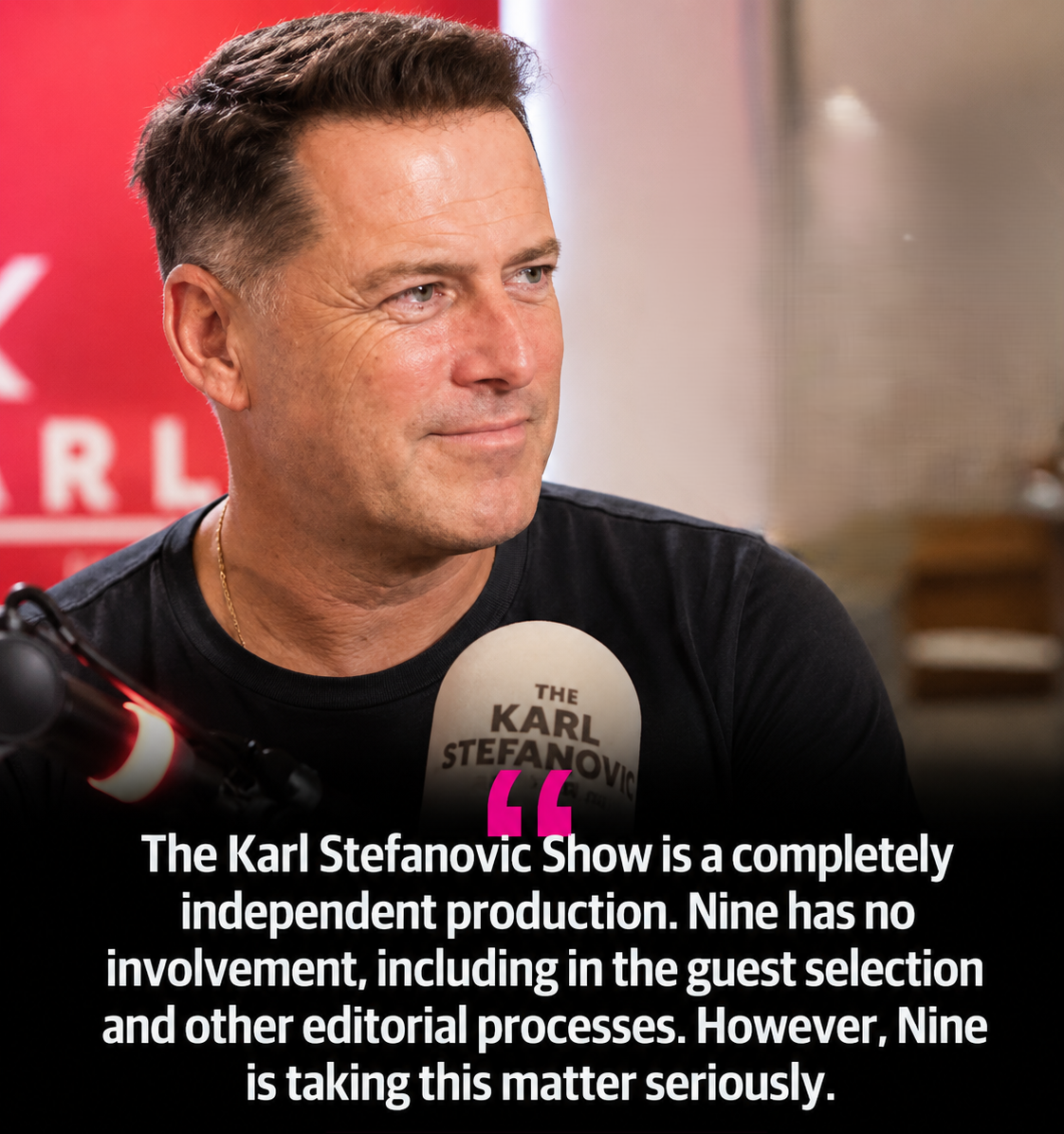
Recent discussion surrounding a television interview involving Karl Stefanovic has once again highlighted the difficult balance media organisations face when deciding whether to feature divisive personalities. The public reaction has extended well beyond the interview itself and into broader questions about editorial responsibility.
News organisations perform several important functions.
They inform.
Investigate.
Question authority.
Provide context.
Facilitate public debate.
Those responsibilities sometimes require engaging with individuals whose views generate strong disagreement.
Supporters of such interviews argue that journalism is most valuable when difficult questions are asked directly.
Interviewing controversial figures allows journalists to challenge claims, test evidence and expose audiences to rigorous scrutiny rather than leaving public discussion to unmoderated online platforms.
From this perspective, avoiding controversial subjects altogether would limit meaningful public debate.
Others view the issue differently.
They argue that providing prominent media exposure may unintentionally increase the visibility of controversial individuals regardless of how challenging the interview may be.
The concern is not necessarily about asking questions.
It is about deciding who receives a national platform.
Editorial judgement therefore becomes central.
Every interview represents a choice.
Newsrooms constantly evaluate whether a conversation serves the public interest, contributes new information or simply generates attention.
Those decisions are rarely straightforward.
Media organisations also operate within broader responsibilities.
Professional standards.
Editorial policies.
Legal obligations.
Audience expectations.
Commercial realities.
Each influences programming decisions in different ways.
Public reaction often becomes part of that process.
Broadcasters regularly review audience feedback following high-profile interviews.
Strong responses—whether supportive or critical—can prompt internal discussions about future editorial approaches.
This reflects the evolving relationship between traditional media and increasingly engaged audiences.
Digital platforms have intensified these debates.
Television interviews are now discussed across social media within minutes of broadcast.
Individual clips circulate widely.
Public opinion develops rapidly.
Editorial decisions therefore receive greater scrutiny than ever before.
Despite changing technology, one principle remains consistent.
Public trust is one of journalism’s most valuable assets.
News organisations depend on audiences believing that editorial decisions are guided by public interest rather than controversy alone.
Maintaining that trust requires transparency, consistency and thoughtful judgement.
Reasonable people may disagree about whether any particular interview should have been conducted.
Some prioritise exposing controversial ideas to rigorous questioning.
Others prioritise limiting the prominence given to divisive figures.
Both perspectives reflect legitimate concerns about the role of modern journalism.
Ultimately, the broader question extends beyond one presenter, one broadcaster or one interview.
It concerns how democratic societies balance freedom of the press with editorial responsibility.
As public expectations continue evolving, media organisations will likely continue facing difficult decisions about where that balance should be drawn.
The answers may differ from one newsroom to another.
Yet the underlying objective remains remarkably similar.
To inform the public accurately while maintaining confidence that journalism serves the public interest above all else.






