How Safe Should Aged Care Homes Really Be?
For many families, moving a loved one into residential aged care is one of the most difficult decisions they will ever make.
It is built on trust.
Trust that professional care will be available.
Trust that medical needs will be met.
Trust that vulnerable residents will be protected around the clock.
When a serious criminal incident occurs inside one of these facilities, that trust can be shaken far beyond the people directly involved.
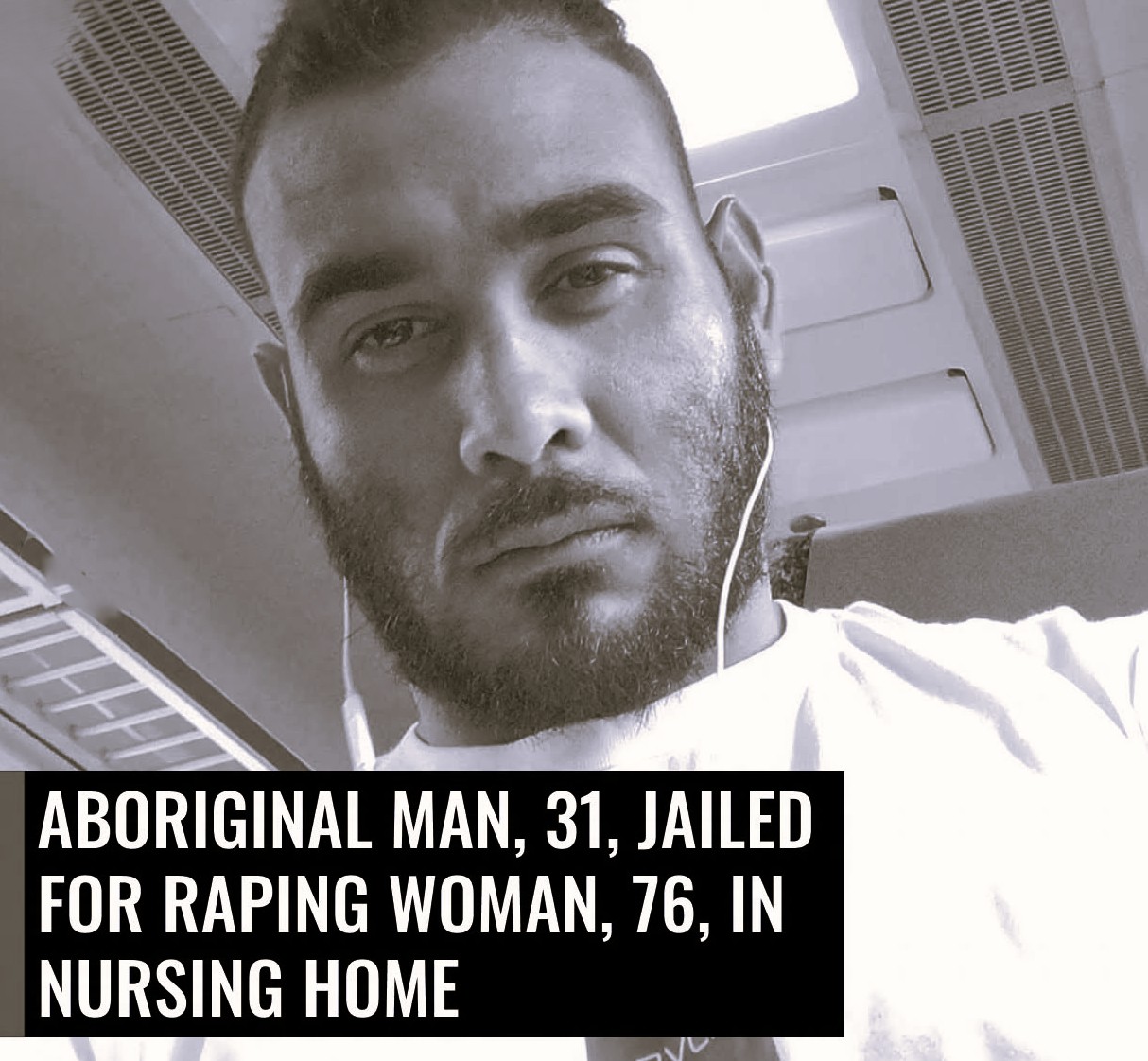
The sentencing of a man over an attack on an elderly resident after an unlawful entry into an aged care home in Coffs Harbour has once again drawn attention to an issue that concerns families across Australia: how secure should aged care facilities be?
While incidents of this nature remain uncommon, they have a significant emotional impact because of who is affected.
Older residents often face physical limitations.
Some live with dementia.
Others require constant medical assistance.
Many are unable to respond quickly during emergencies.
These realities make security an essential part of residential care.
Families generally expect aged care providers to deliver more than healthcare.
They also expect peace of mind.
That expectation extends beyond medication, meals and clinical support.
It includes confidence that residents are protected from avoidable harm.
Modern aged care facilities therefore devote considerable attention to risk management.
Controlled entry points.
Visitor procedures.
Security cameras.
Staff training.
Emergency response plans.
Each measure is designed to reduce the likelihood of incidents while allowing residents to maintain as much independence as possible.
Finding the right balance is not always straightforward.
Aged care homes are places where people live.
They are not designed to resemble secure institutions.
Residents benefit from welcoming environments where family members and visitors can maintain regular contact.
Excessive security measures may affect quality of life.
Insufficient safeguards may increase risk.
Providers must constantly balance both priorities.
Australia’s ageing population has made these questions increasingly important.
As life expectancy rises, more families are relying on residential aged care services.
Demand continues growing.
Facilities are caring for residents with increasingly complex medical needs.
Many people remain in care for longer periods than previous generations.
This changing landscape places greater emphasis on safety planning.
Technology has become one important part of that effort.
Electronic access systems.
Improved surveillance.
Emergency communication tools.
Digital monitoring.
Many facilities have invested in technologies that support both resident wellbeing and staff awareness.
However, technology alone cannot eliminate every risk.
Human judgement remains essential.
Well-trained staff.
Clear procedures.
Strong leadership.
Effective communication with emergency services.
These elements often determine how successfully facilities respond when unexpected situations arise.
Public discussion following serious incidents frequently extends beyond individual criminal cases.
Families naturally ask whether existing safeguards are sufficient.
Providers review internal procedures.
Governments examine regulatory frameworks.
Community confidence becomes an important consideration.
Fortunately, most Australians living in residential aged care receive compassionate support every day from dedicated healthcare professionals.
Serious criminal incidents remain rare compared with the enormous number of residents cared for across the country.
Nevertheless, each incident offers an opportunity to review systems and identify possible improvements.
Continuous improvement has become a defining principle of aged care.
Facilities regularly evaluate clinical care.
They also assess environmental safety, emergency preparedness and operational procedures.
Learning from individual cases helps strengthen protections for future residents.
Ultimately, the purpose of residential aged care extends beyond meeting medical needs.
It is about providing dignity.
Comfort.
Respect.
And security.
Families entrust these facilities with some of the most vulnerable people in society.
That responsibility carries significant expectations.
Every serious incident reinforces the importance of continually improving the systems designed to protect those who depend on them most.






