Why Voters Across Western Democracies Are Turning Against Incumbent Governments
Something unusual is happening across many Western democracies.
Governments that once appeared politically secure are finding themselves under increasing pressure.
Leaders who entered office with strong mandates are facing growing public frustration.
Political movements once considered outsiders are attracting larger audiences.
And voters are increasingly questioning whether traditional parties still understand their concerns.
This trend is not limited to one country.
It is appearing across multiple democracies at roughly the same time.
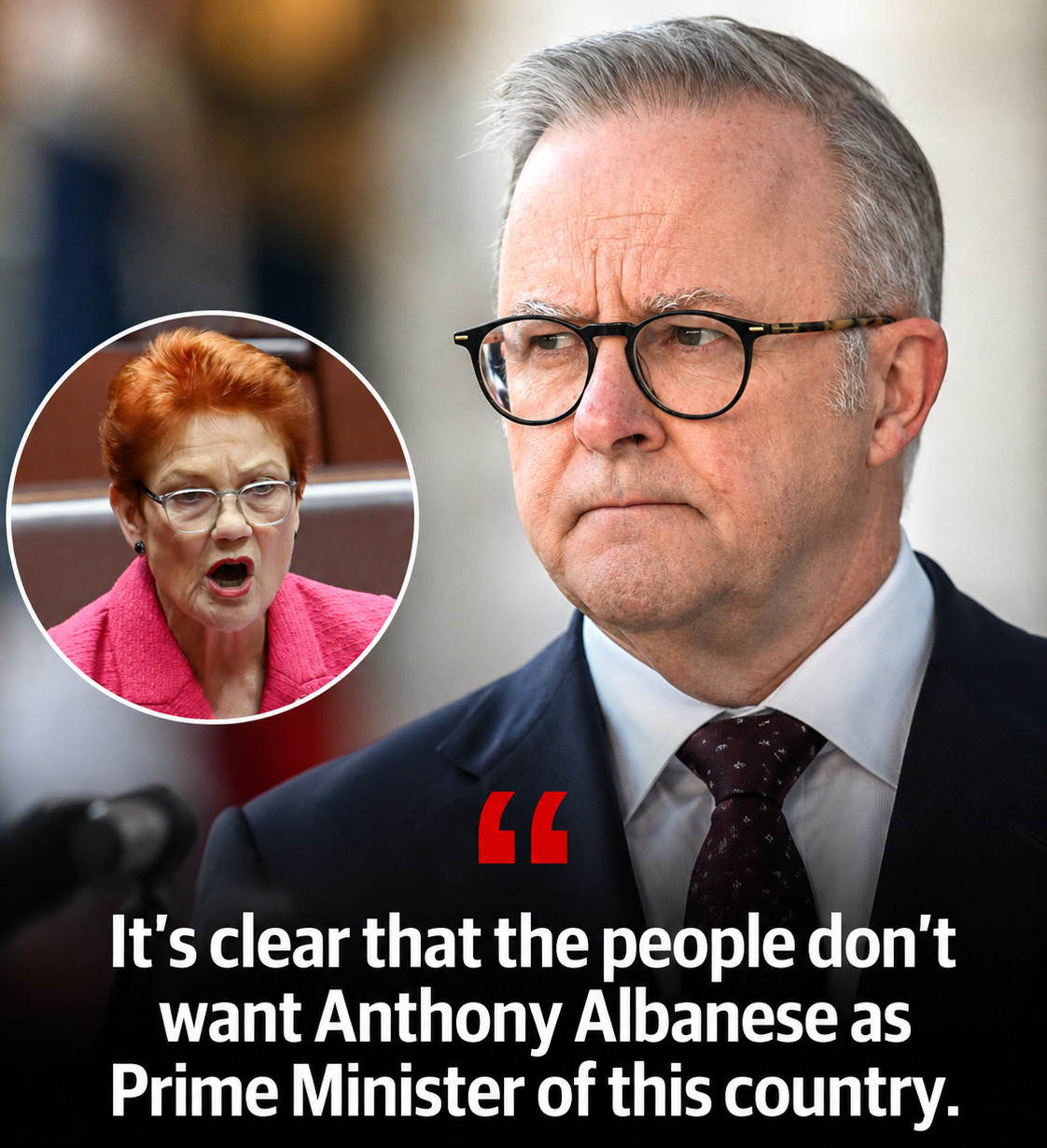
The latest example emerged after UK Prime Minister Keir Starmer announced his resignation following mounting political pressure. The resignation triggered immediate reactions from political figures around the world, including One Nation leader Pauline Hanson, who argued that growing voter dissatisfaction is not unique to Britain and claimed public opinion is increasingly turning against Australia’s political establishment as well.
While political leaders often focus on individual events, many analysts believe a broader pattern may be developing.
Across numerous countries, voters appear increasingly sceptical of incumbent governments regardless of political ideology.
Centre-left governments face challenges.
Centre-right governments face challenges.
Coalition governments face challenges.
The common factor is not ideology.
It is public frustration.
Cost-of-living pressures have played a major role.
For many households, everyday expenses have risen faster than incomes.
Housing affordability has become a major concern.
Energy prices remain politically sensitive.
Interest rates and household debt continue to influence family finances.
When economic pressure persists for long periods, voters often become less patient with incumbent governments.
History suggests this is not unusual.
Governments are frequently judged not only on what they achieve but also on whether voters feel their own circumstances are improving.
If households perceive that life is becoming harder, dissatisfaction can grow even when economic indicators show mixed results.
Political psychology often operates through lived experience rather than statistical reports.
Another factor is trust.
Many democratic societies are experiencing declining trust in institutions.
Political parties.
Government agencies.
Traditional media.
Large corporations.
Public confidence in these institutions has become an increasingly important political issue.
When trust declines, outsider movements often gain support because they position themselves as alternatives to established systems.
Australia has witnessed elements of this trend.
Recent polling has shown growing support for One Nation, prompting both Labor and the Coalition to devote increasing attention to the party’s rise. Government strategists have openly acknowledged that voter frustration is contributing to changing political dynamics.
Importantly, dissatisfaction does not necessarily mean voters agree on solutions.
One voter may be concerned about housing.
Another may focus on migration.
Another may prioritise taxation.
Others may be concerned about healthcare, energy policy or government spending.
The issues vary.
The frustration often overlaps.
This helps explain why political landscapes can change rapidly.
When dissatisfaction spreads across multiple policy areas at the same time, voters may become more willing to consider alternatives they previously ignored.
That does not guarantee electoral success for those alternatives.
But it can dramatically reshape public debate.
The resignation of Keir Starmer in the United Kingdom has intensified discussion about this phenomenon. Reports surrounding his departure pointed to declining popularity, electoral setbacks and growing concerns within his own party regarding future prospects.
Many observers see parallels between developments occurring in different countries.
The details differ.
The political systems differ.
The economic conditions differ.
Yet common themes continue emerging.
Voters want responsiveness.
They want competence.
They want visible results.
And increasingly, they want evidence that political leaders understand their everyday concerns.
Social media has accelerated these pressures.
Public dissatisfaction can spread quickly.
Political mistakes receive immediate attention.
Alternative voices can reach large audiences without relying on traditional gatekeepers.
As a result, governments often find it harder to control political narratives than they did in previous decades.
This environment creates both opportunities and risks.
New political movements can emerge rapidly.
Established parties can lose support more quickly.
Public opinion can shift with remarkable speed.
At the same time, governing remains difficult.
Many of the challenges frustrating voters—housing affordability, productivity growth, infrastructure needs and fiscal pressures—cannot be solved overnight.
That creates a persistent tension between public expectations and political reality.
For incumbent governments, the challenge is maintaining public confidence while managing complex long-term problems.
For opposition parties and outsider movements, the challenge is convincing voters that they can do better.
Both tasks are difficult.
Both require trust.
And trust has become one of the most valuable commodities in modern politics.
Whether in Australia, Britain or elsewhere, the larger story may not be about any single leader.
It may be about a growing demand from voters for political systems that feel more responsive, more accountable and more connected to everyday life.
That demand is reshaping politics across much of the democratic world.
And there is little sign that it is fading.






