A political battle over working Australians has erupted as Prime Minister Anthony Albanese launched a fresh attack on Pauline Hanson’s One Nation, accusing the party of claiming to represent ordinary workers while opposing policies Labor says directly benefit them.
The comments come at a time when One Nation is experiencing one of the strongest periods of support in its history, creating new challenges for both Labor and the Coalition. Recent polling has fuelled concerns within the major parties that growing numbers of voters are looking beyond traditional political options.
For Albanese, the issue goes beyond a disagreement over policy.
It is a battle over political identity.
Who represents Australia’s workers? Who speaks for families facing rising costs? And which party can convince voters it understands the pressures they face every day?
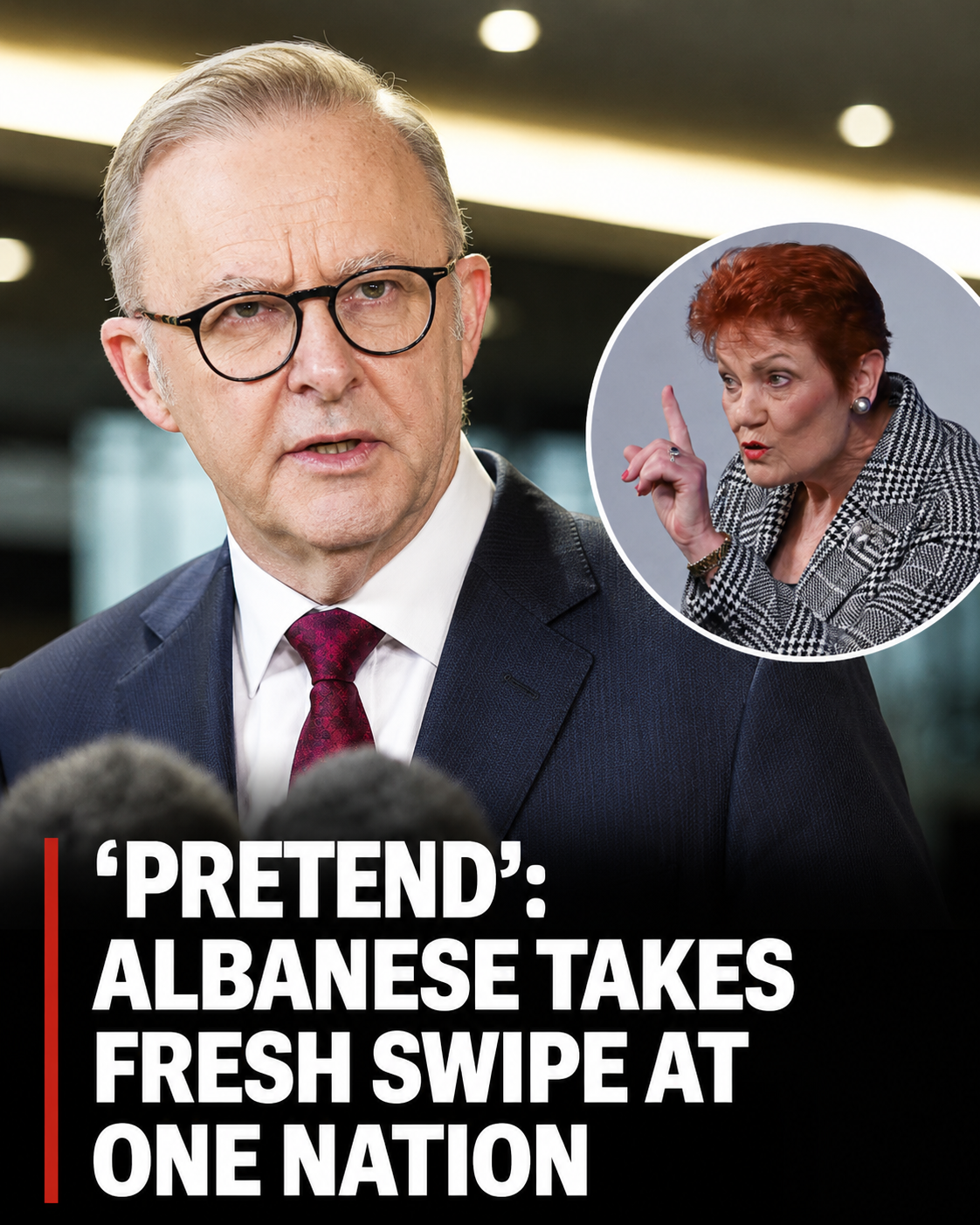
Speaking about One Nation’s growing influence, Albanese argued that the party frequently presents itself as a defender of working Australians while opposing measures Labor believes improve wages, workplace protections and public services. He pointed to issues including wage increases and government support programs as examples of policies his government says benefit workers directly.
One Nation supporters see the situation very differently.
They argue the party’s popularity has risen because many Australians believe the major parties have become disconnected from everyday concerns. Issues such as housing affordability, migration levels, energy prices and cost-of-living pressures have become central to One Nation’s political message.
The growing support for Pauline Hanson has forced a strategic rethink inside Labor.
Political observers have noted that government ministers and Labor-aligned organisations are increasingly directing their attacks toward One Nation rather than focusing exclusively on the Coalition. The shift reflects a recognition that One Nation is attracting significant attention from voters who feel frustrated with the current political system.
That change would have seemed unlikely only a few years ago.
For decades, Australian politics largely revolved around competition between Labor and the Coalition. Minor parties influenced debates but rarely threatened to reshape the broader political landscape.
Today, the environment appears far more fluid.
Rising living costs, housing pressures and dissatisfaction with established institutions have created opportunities for alternative political movements to gain support.
One Nation has worked aggressively to position itself as the voice of voters who believe neither major party is adequately addressing those concerns.
The party’s recent fundraising campaigns and high-profile advertising efforts have generated substantial attention. One Nation’s anti-Albanese campaign has raised significant sums and helped keep the party in the national spotlight.
For Labor, the challenge is preventing that momentum from translating into lasting political gains.
The government argues that practical outcomes matter more than political slogans.
Ministers frequently point to wage growth initiatives, Medicare funding, childcare assistance and workplace reforms as evidence that Labor is delivering tangible benefits to working Australians. They contend that voters should judge parties by their policy records rather than their rhetoric.
Meanwhile, One Nation continues to argue that many Australians feel worse off despite those policies.
The party has focused heavily on household budgets, migration levels, housing affordability and concerns about national identity, topics that have resonated strongly with sections of the electorate.
The result is a political contest that increasingly centres on the same group of voters.
Both Labor and One Nation are attempting to persuade Australians that they are the party best positioned to represent workers, families and communities dealing with economic uncertainty.
That competition could become one of the defining political stories of the coming year.
Recent polling has suggested One Nation’s support has climbed to levels that would have been difficult to imagine only a short time ago. While polling does not determine election outcomes, it has intensified pressure on the major parties and sparked renewed debate about the future direction of Australian politics.
The broader question extends far beyond a single exchange between Albanese and Hanson.
It reflects a growing struggle over who can best connect with Australians who feel squeezed by rising expenses, uncertain about the future and increasingly sceptical of traditional political promises.
As that battle continues, both Labor and One Nation know that winning the argument over who truly represents Australia’s workers may prove just as important as winning the next election itself.






