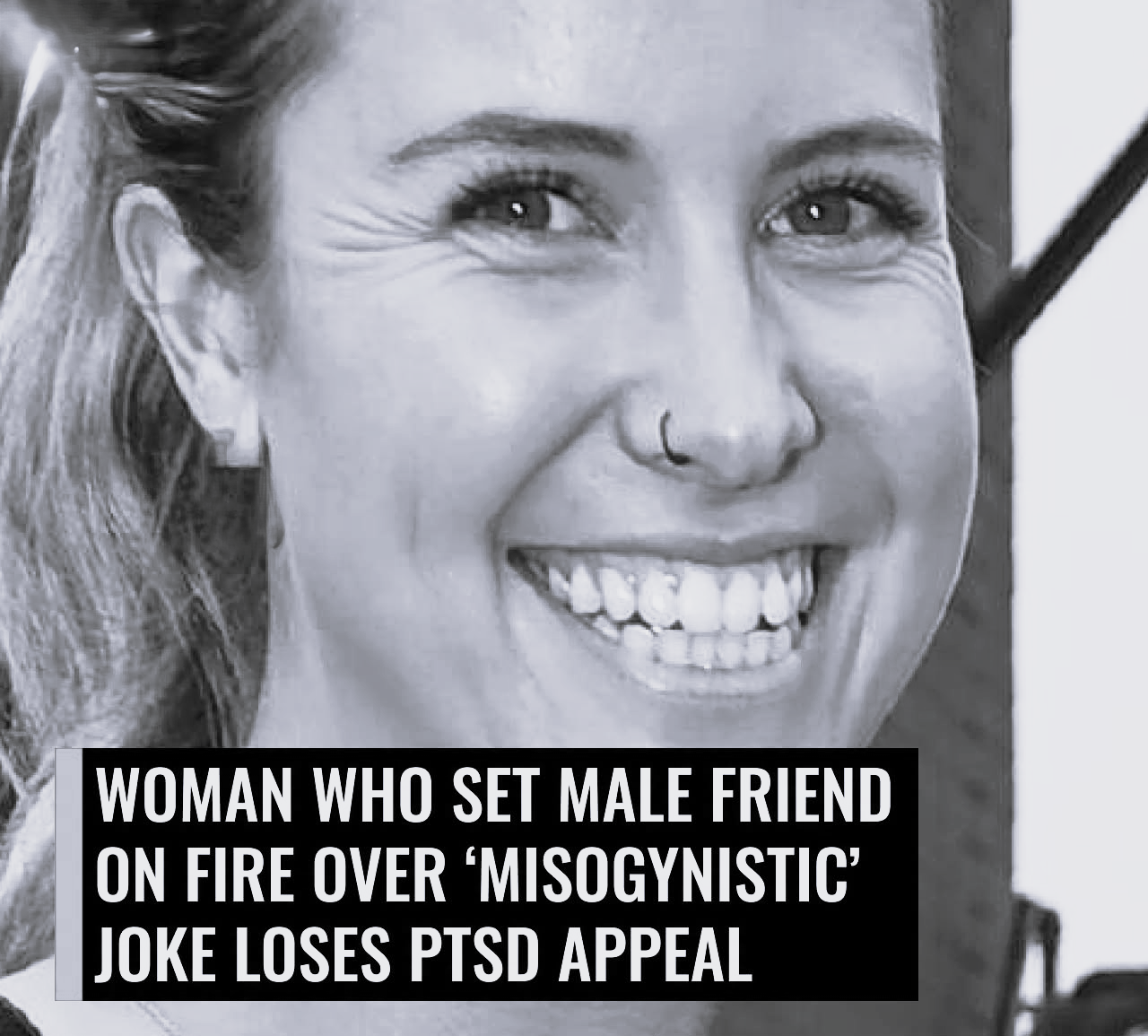
An Australian woman who set a male friend on fire during a violent confrontation has lost her appeal against her jail sentence, with a court rejecting arguments that her psychological condition should reduce her punishment.
Corbie Walpole was convicted after a serious incident in which she doused her friend in petrol and set him alight following what was described as a dispute involving a “misogynistic” joke.
The case has drawn widespread attention due to the extreme nature of the violence and the legal arguments raised during the appeal process.
During her appeal, Walpole argued that the original sentencing judge failed to properly consider the impact of post-traumatic stress disorder, which she claimed developed as a result of her own offending behaviour.
However, the appeal court ultimately rejected this argument and upheld the original jail sentence.
The decision reinforces the legal principle that serious violent offences carry significant penalties, even when psychological factors are raised during sentencing or appeal.
Legal observers note that courts often consider mental health conditions when determining sentences, but such factors must be balanced against the severity of the offence and the harm caused to victims.
In this case, the court appears to have placed greater weight on the seriousness of the attack and its consequences rather than the appellant’s psychological claims.
The incident itself involved a sudden escalation of violence during a personal dispute, resulting in severe injuries to the victim and a major criminal investigation.
Cases involving fire-related assaults are treated particularly seriously under Australian criminal law due to the high risk of fatal outcomes and long-term injury.
The appeal outcome has sparked renewed discussion about how courts assess mental health arguments in violent crime cases.
Some legal commentators argue that psychological conditions must be carefully evaluated to ensure fair sentencing, while others emphasise the need to prioritise public safety and accountability.
The decision also highlights the limits of appeal courts in overturning original sentencing decisions unless a clear legal error is identified.
For Walpole, the ruling means she will continue serving her sentence without reduction based on her appeal claims.
As the case concludes at this level, it remains a stark example of how extreme interpersonal disputes can escalate into serious criminal outcomes, and how courts balance mental health considerations with the severity of violent conduct.






