Anthony Albanese’s recent podcast appearance continues to attract political attention, with questions about the Prime Minister’s comments returning to the spotlight during a live television interview involving Foreign Affairs Minister Penny Wong.
Although Albanese has already apologised for remarks made during the interview, the controversy has not entirely faded. Instead, the discussion has shifted toward whether the government’s response has been sufficient and whether similar comments would have been judged differently if made by a political opponent.
The issue resurfaced when Wong appeared for a televised interview and was asked whether she believed the matter had been appropriately resolved following the Prime Minister’s public apology.
Wong said Albanese had made what she described as a clear and unequivocal apology, adding that no concerns had been raised through diplomatic channels regarding one of the podcast remarks that referenced Japanese Prime Minister Sanae Takaichi.
The comment related to a light-hearted reference to two watermelons presented during an official visit to Australia earlier this year. The gift marked the resumption of Japanese watermelon imports into Australia, but the wording used during the podcast later attracted criticism after excerpts circulated online.
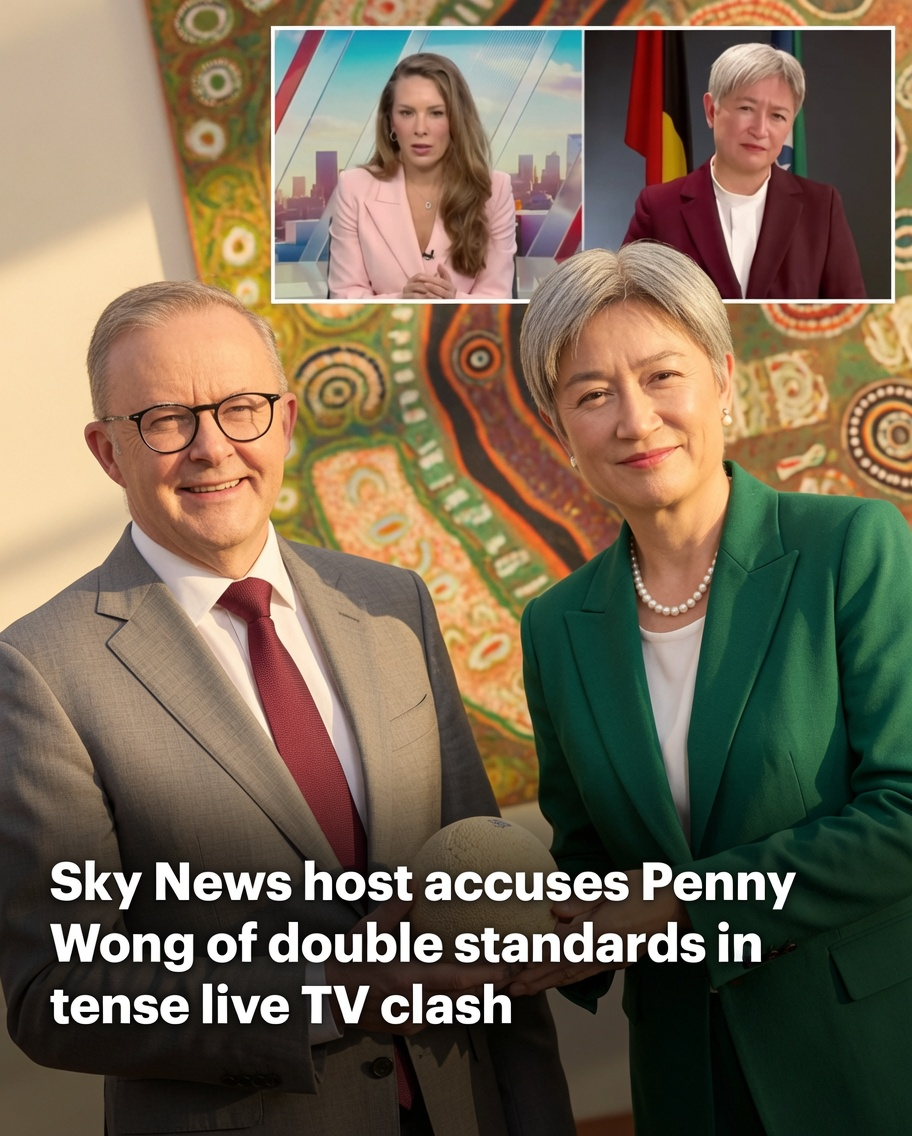
Asked whether the government considered the matter closed, Wong maintained that the Prime Minister had accepted responsibility for his remarks and apologised publicly.
However, the discussion did not end there.
The interviewer questioned whether public and political reactions might have been different had an equivalent comment been made by a conservative prime minister. That line of questioning focused less on the original joke itself and more on whether comparable standards are applied regardless of which party is in government.
In response, Wong said she believed people should accept a sincere apology when one is offered, suggesting that acknowledging mistakes and apologising are important parts of public life.
The exchange quickly became another talking point in the broader debate surrounding Albanese’s podcast appearance.
The original interview included several informal and personal questions that differed significantly from the Prime Minister’s usual media appearances. Among them were questions about celebrities and aspects of his personal life, along with humorous topics that generated extensive discussion after clips were shared across social media platforms.
While supporters argued the conversation reflected the relaxed format of a comedy podcast rather than an official government interview, critics questioned whether Australia’s national leader should participate in discussions involving jokes or personal remarks that could distract from government priorities.
Political communication experts have long noted that appearances outside traditional news media can help politicians reach audiences who might not normally follow politics. Podcasts, online video channels and entertainment programs have increasingly become part of election campaigning and broader public engagement.
At the same time, these less formal settings can create additional risks. Comments made spontaneously, particularly in humorous conversations, may later be interpreted differently once isolated from their original context and widely shared online.
That dynamic has become increasingly common in Australian politics, where short video clips often generate days of public discussion regardless of the full conversation surrounding them.
The latest interview involving Wong reflects how political controversies can continue even after an apology has been issued. Rather than focusing solely on the original remarks, attention has shifted toward questions about accountability, consistency and how public figures are judged when mistakes occur.
Government ministers have continued to point to Albanese’s apology as evidence that he accepted responsibility for the comments. Opposition figures and some commentators, meanwhile, have argued that the incident raises broader questions about leadership standards and equal treatment across the political spectrum.
For many voters, the debate is now less about the podcast itself and more about how elected leaders respond when public criticism follows controversial remarks.
Whether the issue remains in the political spotlight will likely depend on future public reaction and whether new developments emerge. For now, the episode serves as another reminder that informal media appearances can quickly become significant political stories once individual comments are amplified beyond their original audience.
As political leaders increasingly engage with podcasts and digital media, balancing authenticity with the expectations attached to public office is likely to remain an ongoing challenge across Australia’s political landscape.






