Australia’s rental market continues to push into new territory, with housing experts warning that affordability pressures remain far from over as strong demand and limited supply keep rents elevated across much of the country.
For many households, finding an affordable rental has become one of the biggest financial challenges of recent years. Competition remains intense in many suburbs, vacancy rates are low in numerous markets and available properties are often attracting significant interest within days of being listed.
Although rental conditions vary between cities and regions, analysts say the overall trend continues to reflect a market where demand is consistently outpacing supply. That imbalance has helped drive rents to record levels in many locations while reducing the number of affordable options available to tenants.
The situation has developed over several years rather than emerging from a single event. Population growth, changing household sizes, higher migration, limited housing construction and a shortage of available rental properties have all combined to place sustained pressure on the market.
Industry observers note that even where the pace of rental growth begins to slow, that does not necessarily mean rents are falling. Instead, it often means prices are still increasing, just at a more moderate rate than during previous periods of rapid growth.
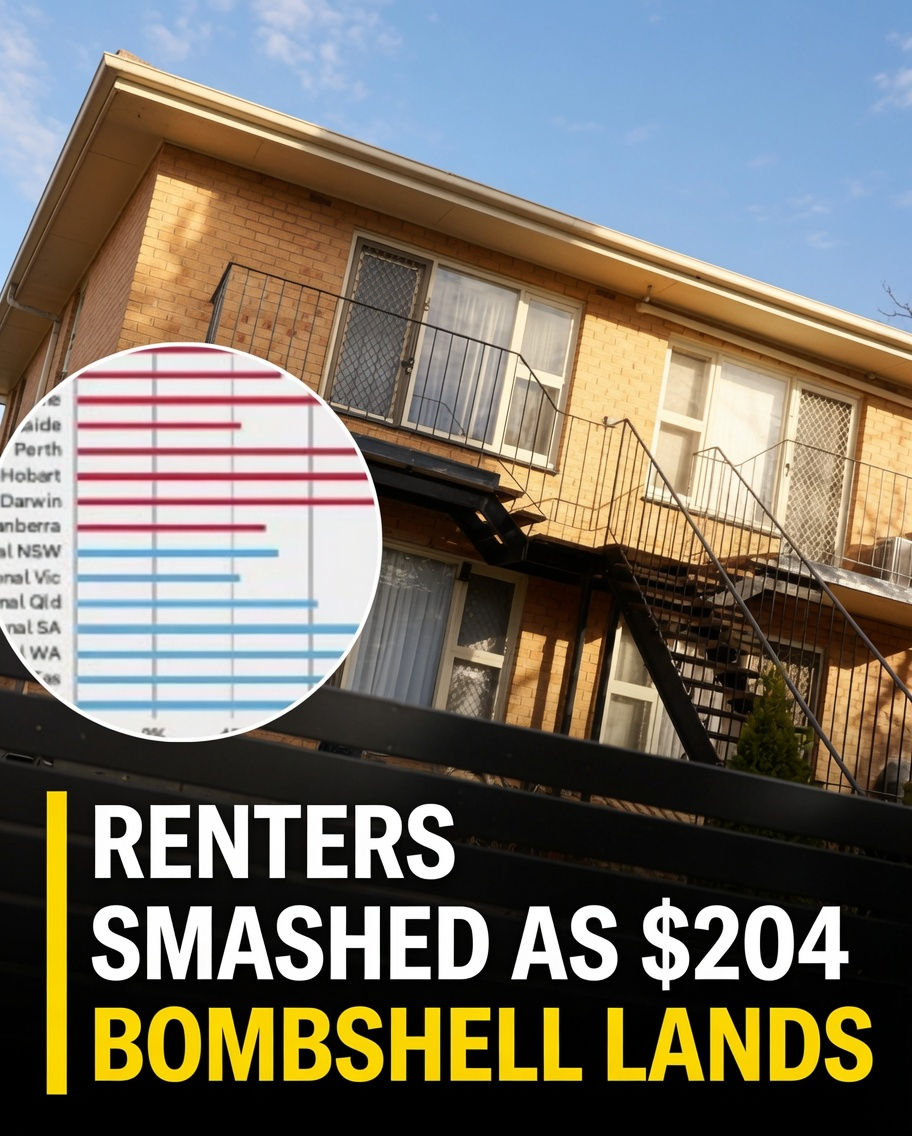
For renters, the practical impact remains significant. Many households are allocating a larger share of their income to housing costs, leaving less available for groceries, transport, utilities and other everyday expenses. Some tenants have also chosen to remain in their current homes longer because moving can involve paying substantially higher market rents elsewhere.
Others are expanding their search into outer suburbs or regional areas in the hope of finding more affordable accommodation. However, increased demand in those locations has also contributed to higher rental prices beyond Australia’s major metropolitan centres.
Housing economists say supply remains the central issue. While new homes continue to be built across the country, construction activity has struggled to keep pace with demand in many areas. Higher building costs, labour shortages and planning timelines have all influenced the speed at which additional housing becomes available.
As a result, many analysts believe meaningful relief is unlikely to occur until housing supply increases more substantially over an extended period.
Population growth has also played an important role in shaping rental demand. As more people enter the housing market—whether through migration, interstate movement or changing family circumstances—the number of households seeking rental accommodation continues to grow.
When additional housing stock does not expand at the same pace, competition naturally intensifies. Prospective tenants may find themselves attending crowded inspections, submitting multiple applications or offering greater flexibility on lease terms in order to secure a property.
Property managers report that well-presented homes in desirable locations continue to attract strong enquiry levels, particularly those close to employment centres, schools, universities and public transport.
At the same time, landlords are also operating in a changing financial environment. Higher borrowing costs, insurance premiums, maintenance expenses and other ownership costs have influenced investment decisions across the property sector.
Housing specialists caution that Australia’s rental market is influenced by many interconnected factors, meaning no single policy or economic change is likely to deliver immediate improvements. Instead, the balance between supply and demand is expected to remain the key driver of rental conditions.
Governments at both state and federal levels have announced various housing initiatives designed to encourage additional construction and improve long-term affordability. These include measures aimed at increasing housing supply, supporting new developments and expanding access to different forms of accommodation.
However, industry groups frequently note that housing projects require considerable time to move from planning to completion. Even where new policies are introduced, the benefits may not become visible in rental markets for several years.
For prospective tenants, preparation remains important in a competitive environment. Having documentation organised, understanding local market conditions and beginning a property search early may improve the chances of securing suitable accommodation before demand intensifies further.
Experts continue to encourage renters to monitor local market trends rather than relying solely on national averages. Conditions can differ significantly between suburbs, regional centres and capital cities depending on local employment opportunities, housing development and population growth.
While there are signs that conditions may stabilise in some areas over time, many analysts believe the broader housing shortage remains Australia’s most significant structural challenge. Until supply expands enough to better match demand, rental affordability is likely to remain a major issue for households across the country.
For now, Australia’s rental market continues to reflect a simple economic reality: demand for housing remains strong, available homes remain limited and both tenants and policymakers will be watching closely to see whether future construction and housing initiatives can gradually restore greater balance to the market.






