Energy affordability continues to dominate Australia’s political debate as households across the country remain concerned about rising living costs and ongoing pressure on family budgets.
For many Australians, electricity bills have become one of the most closely watched household expenses, with political leaders increasingly focusing on how energy policy could affect families, businesses and the broader economy.
The issue has again moved into the spotlight after opposition figures argued that current policies have not delivered the reductions in electricity costs that many households had hoped for. They contend that Australians are continuing to face higher power bills while broader cost-of-living pressures remain elevated.
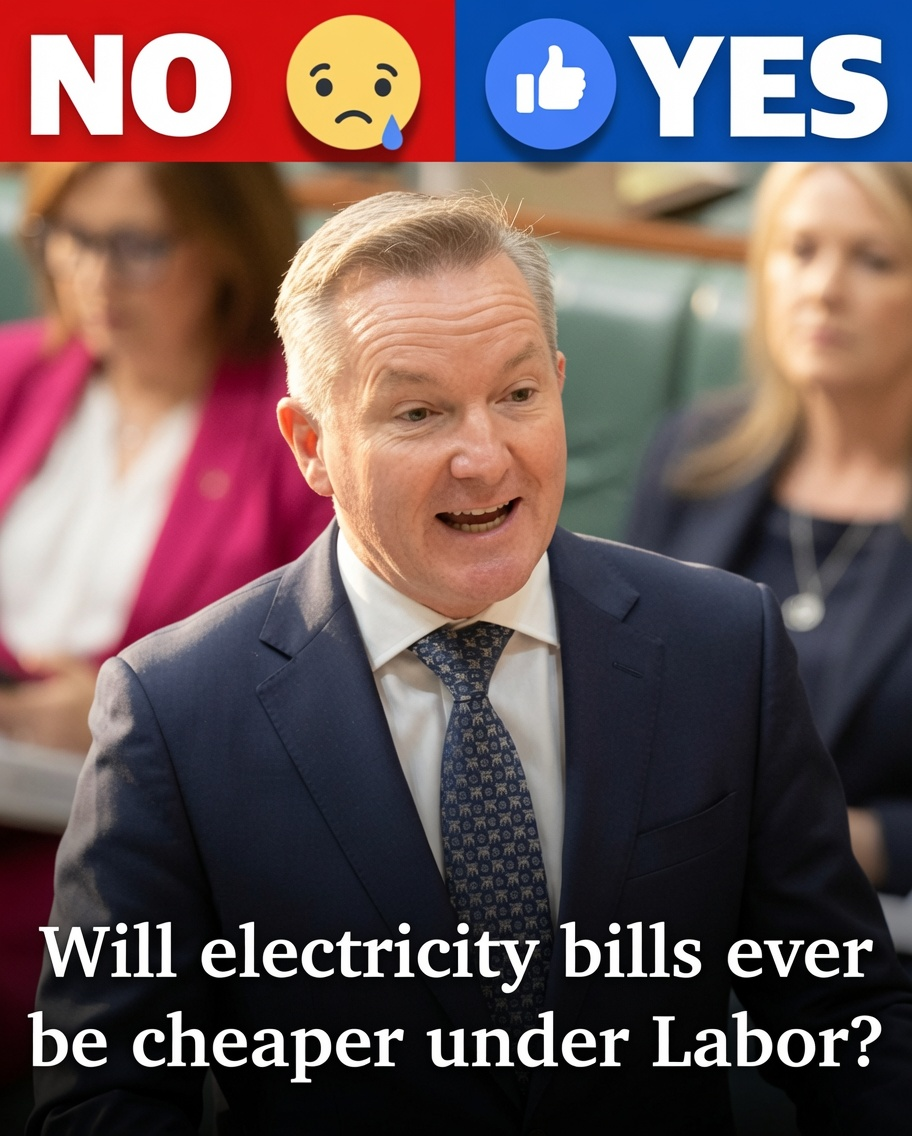
According to opposition representatives, reducing electricity prices should remain a priority because energy costs influence far more than monthly household bills. Higher electricity prices can also affect manufacturing, transport, food production and many other sectors that eventually feed into consumer prices.
They argue that easing pressure on the energy market could help moderate inflation while improving confidence among businesses planning future investment.
The debate comes as many Australians continue adjusting household budgets to accommodate higher costs across several essential services, including housing, groceries, insurance and utilities.
Although energy prices vary between states, retailers and individual plans, electricity remains one of the largest recurring expenses for many families, particularly during periods of extreme weather when heating or cooling demand increases significantly.
The Coalition has continued promoting alternative approaches to Australia’s energy transition, arguing that greater emphasis should be placed on improving energy reliability while increasing supply to help place downward pressure on prices over time.
Supporters of this approach believe expanding generation capacity from multiple sources could strengthen energy security and provide consumers with more affordable options in future years.
The Albanese Government, however, has maintained that its broader energy strategy is designed to deliver long-term benefits through investment in renewable generation, transmission infrastructure and programs intended to modernise Australia’s electricity network.
Government ministers have repeatedly argued that global energy markets, international fuel prices and worldwide inflation have also contributed to higher electricity costs experienced by households during recent years.
Federal support packages have also been introduced at various stages to provide temporary relief for eligible households and small businesses facing higher power bills.
Economists generally note that electricity prices are influenced by multiple factors rather than any single government decision. Wholesale electricity costs, fuel prices, network infrastructure, weather events, investment levels and consumer demand can all affect the final prices paid by customers.
Energy experts have likewise pointed out that Australia’s transition towards lower-emission electricity generation presents both opportunities and challenges. Large-scale investment can improve future supply, but building new infrastructure also requires significant capital and time.
As political debate continues, both major parties are attempting to convince voters that their respective policies would provide better outcomes for households facing ongoing financial pressure.
Cost of living is expected to remain one of the defining issues leading into future elections, with electricity prices sitting alongside housing affordability, taxation, healthcare and wages as priorities identified by many Australian voters.
Consumer advocates continue encouraging households to regularly compare electricity plans, review available rebates and consider energy-efficiency measures that may help reduce long-term costs regardless of broader political developments.
While political disagreement over the best path forward is unlikely to disappear soon, Australians will continue closely watching whether future policy decisions translate into measurable savings on their household electricity bills.






