Australian renters are continuing to face mounting pressure after new figures showed rental prices have climbed sharply over the past year, with economists warning that a combination of government spending, higher interest rates and ongoing housing shortages is making affordability even more difficult.
The latest market data shows rents across Australia have increased by around 12 per cent over the past 12 months. Much of that growth has occurred during a period when the Reserve Bank lifted interest rates several times and landlords continued facing higher borrowing costs.
While housing affordability was one of the major themes of the Albanese government’s federal budget, several economists now argue that broader economic settings may have added further pressure to an already strained rental market.
The renewed debate comes only months after Labor introduced significant housing-related tax reforms as part of its broader economic agenda.
Treasury modelling released alongside the federal budget suggested the policy changes would increase average rents by only a small amount. However, more recent market figures indicate rental growth has exceeded those earlier projections in several major cities.
Average asking rents across Australia’s combined capital cities increased from roughly $690 per week to around $700 per week between March and June, according to the latest property data.
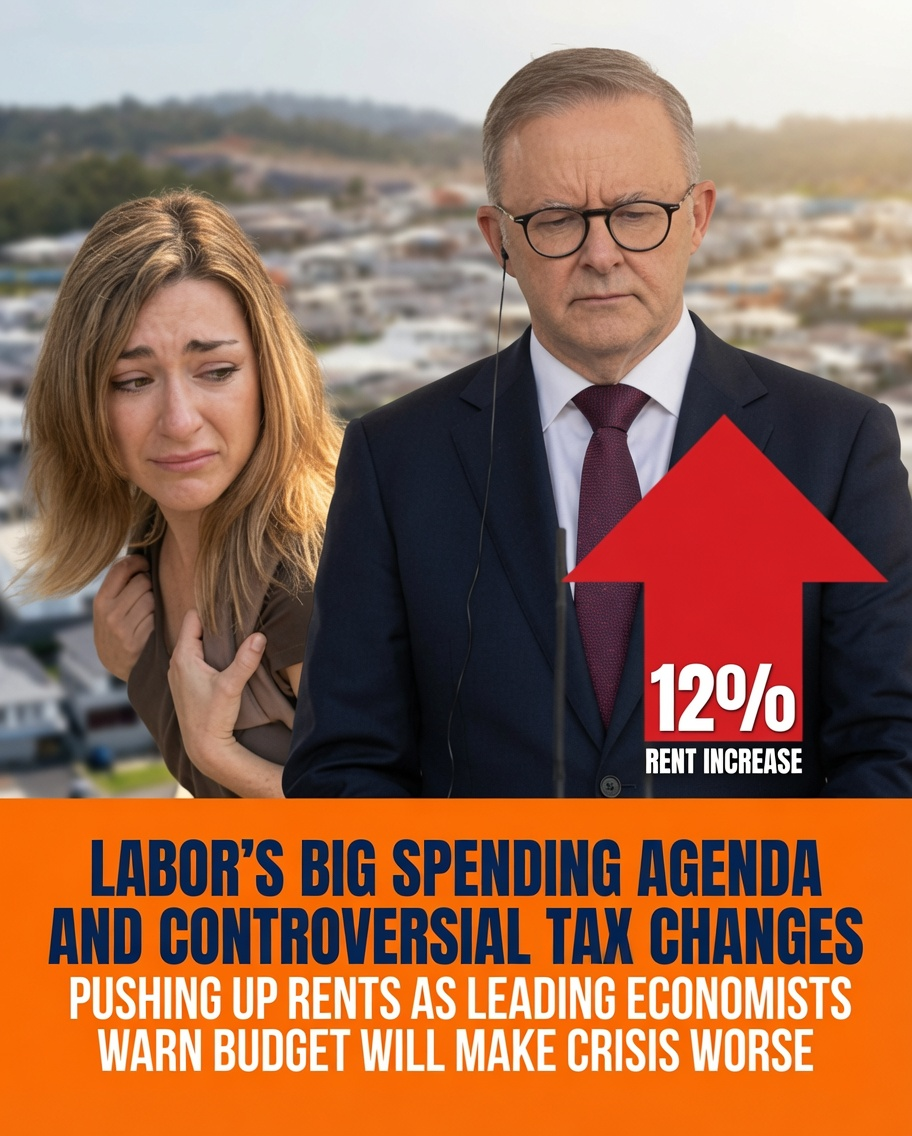
That period followed the release of the May federal budget, which included changes affecting property investors, including the removal of negative gearing for existing dwellings and the introduction of a minimum capital gains tax rate under the government’s proposed reforms.
Although the full impact of those measures will likely take time to become clear, economists say investor behaviour may already be changing.
AMP chief economist Shane Oliver said government spending plays an important role alongside private sector demand when assessing inflationary pressures across the economy.
According to Dr Oliver, elevated public spending can contribute to capacity constraints, placing additional upward pressure on prices in sectors where supply remains limited, including housing.
Higher inflation can also influence monetary policy decisions. As interest rates remain elevated, many landlords continue facing increased mortgage repayments, insurance premiums and maintenance costs.
Some property owners attempt to recover part of those additional expenses by raising asking rents where local market conditions allow.
Australia’s ongoing shortage of rental properties has made that easier in many suburbs, particularly where vacancy rates remain extremely low.
Domain chief residential economist Nicola Powell said the recent acceleration in rental growth appeared unusually rapid.
She suggested seasonal factors alone were unlikely to explain the pace of increases seen across several capital cities.
Instead, she said some landlords appeared to have responded to changing tax settings by lifting advertised rents where demand remained strong enough to support higher prices.
Property analysts caution that Australia’s rental market is being influenced by several overlapping forces rather than a single policy decision.
Population growth, ongoing migration, constrained housing supply, elevated construction costs, labour shortages within the building sector and higher financing costs have all contributed to tighter market conditions.
As a result, renters in many parts of the country are competing for a relatively limited number of available properties.
Sydney recorded some of the largest increases during the latest reporting period.
Average weekly house rents in Australia’s largest city rose by around $50 over the quarter to reach approximately $850 per week, representing one of the strongest quarterly increases among the capital cities.
Brisbane also experienced notable growth, with average weekly rents climbing to around $700 after increasing by roughly $20 during the same period.
Melbourne recorded a more modest increase, with average weekly rents reaching about $600.
Canberra rents moved higher to around $710 per week, while Adelaide continued its steady upward trend, reaching approximately $650 weekly.
These figures reinforce how rental affordability remains a challenge across much of the country rather than being isolated to one or two major cities.
For many households, higher rents are making it increasingly difficult to save for a home deposit.
Prospective first-home buyers often face the dual challenge of paying elevated rental costs while also coping with higher mortgage interest rates and increased living expenses.
Economists note that when larger portions of household income are directed towards rent, the capacity to build long-term savings naturally declines.
That dynamic has become an important part of Australia’s broader cost-of-living discussion.
The debate surrounding Labor’s housing policies has intensified as opposition figures argue that current economic settings have worsened affordability.
Government ministers, however, have consistently maintained that increasing housing supply remains central to their long-term strategy and that structural shortages built up over many years cannot be resolved immediately.
Housing experts generally agree that expanding the supply of new homes will ultimately play a significant role in easing pressure on both buyers and renters.
However, new residential developments often take years to move from planning approval through to completion, meaning supply responses can lag behind immediate increases in demand.
Construction costs also remain substantially higher than they were before the pandemic, while shortages of skilled workers continue affecting the pace of new housing projects across Australia.
These factors have limited the speed at which additional homes can enter the market.
As policymakers continue debating taxation, investment incentives and housing affordability, renters are likely to remain focused on one practical question: whether rental growth begins to slow over coming months.
Future inflation data, Reserve Bank decisions on interest rates and the pace of new housing construction are all expected to influence how Australia’s rental market evolves during the remainder of the year.
For now, the latest figures suggest housing affordability remains one of the country’s most significant economic challenges, with renters, aspiring homeowners, investors and governments all closely watching how the market responds to changing economic conditions.






