Shadow Treasurer Angus Taylor has renewed the Coalition’s criticism of the Albanese Government, arguing Australia’s economic challenges require a different policy approach as debate over the nation’s financial outlook continues.
According to published reports, Taylor used a media conference in Darwin to criticise Prime Minister Anthony Albanese and Labor’s economic record, claiming the Government has failed to adequately address cost-of-living pressures, weak productivity and slowing business confidence. The comments represent the Coalition’s political position as the Opposition continues outlining its alternative economic agenda.
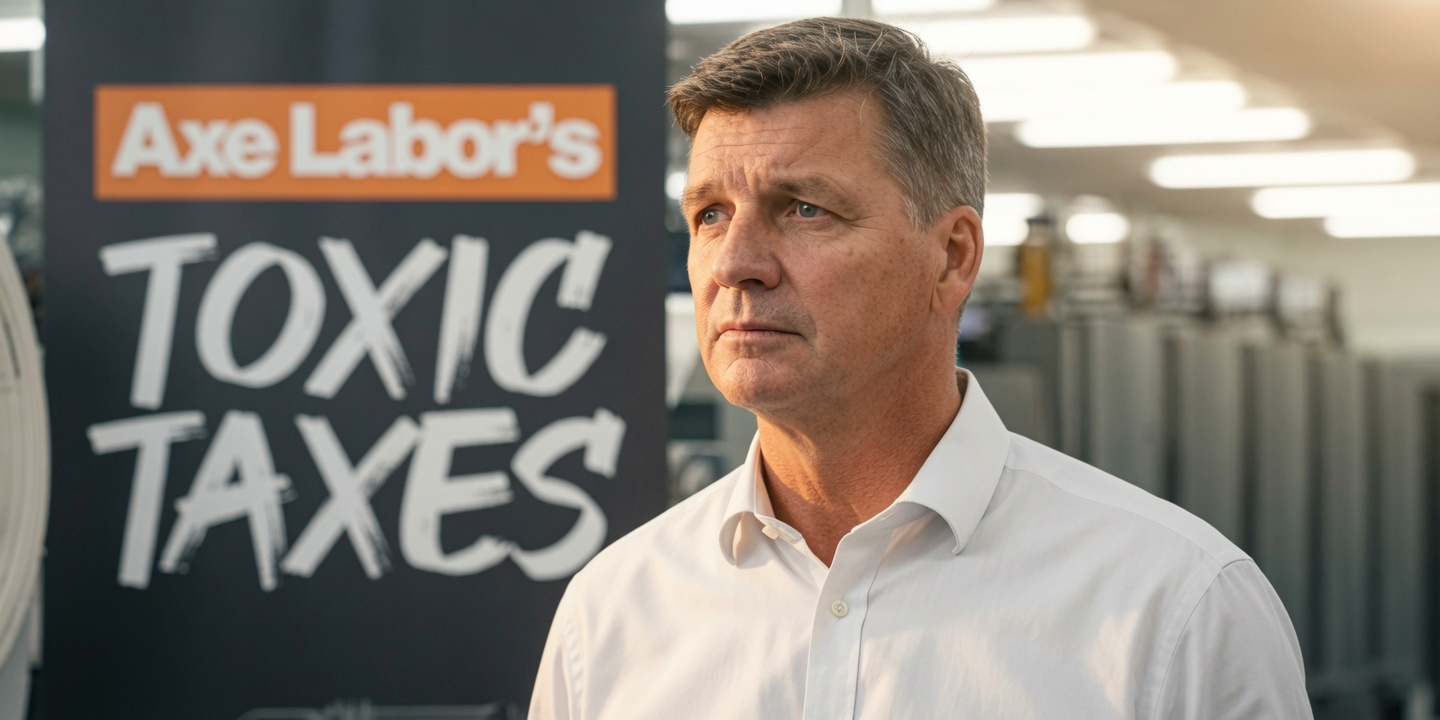
Economic management has become one of the defining issues in Australian politics, with rising living costs, housing affordability, productivity growth and business investment remaining central concerns for households and employers alike. Both major parties have presented competing strategies aimed at supporting long-term economic growth while managing inflation and public finances.
The Albanese Government has defended its economic program, arguing that measures relating to tax reform, housing, infrastructure, skills development and targeted investment are intended to strengthen Australia’s economy over the long term. Ministers have also pointed to moderating inflation, employment outcomes and broader economic resilience as evidence that their policies are producing positive results.
The Coalition, meanwhile, has argued that stronger private-sector investment, improved productivity, lower regulatory burdens and different fiscal priorities would deliver better economic outcomes. Opposition representatives have frequently linked slower economic growth, business confidence and household financial pressures to decisions made by the current Government.
Independent economists note that Australia’s economic performance is influenced by a wide range of domestic and international factors. Interest rates, inflation, global trade conditions, commodity prices, labour market trends and geopolitical developments all contribute to shaping business activity and household finances, making it difficult to attribute economic outcomes to any single policy decision.
Political analysts observe that economic credibility is often one of the most influential issues during Australian election campaigns. Governments typically emphasise achievements in employment, fiscal management and long-term reform, while oppositions seek to highlight areas where they believe policy changes are necessary to improve growth and living standards.
As Parliament continues debating economic policy, Australians are likely to hear further competing arguments about taxation, government spending, energy costs, productivity, investment incentives and cost-of-living relief. These issues are expected to remain central to national political discussion in the months ahead.
Ultimately, the differing positions presented by Labor and the Coalition reflect contrasting approaches to managing Australia’s economy. Voters will continue assessing those competing visions as new economic data, budget measures and policy announcements shape the national debate over growth, investment and future prosperity.






