Australia’s proposed tax treatment of foreign investment in renewable energy has become the focus of renewed debate after investor groups warned the changes could make the country a less competitive destination for international capital.
According to published reports, Treasury now expects the proposed tax measures to raise significantly more revenue than originally forecast. Industry representatives argue the higher effective tax burden could place Australia above many comparable advanced economies when competing for foreign investment in renewable energy projects. These concerns reflect the views of investor groups and remain part of an ongoing policy debate.
The Albanese Government has defended its broader taxation and energy agenda, arguing that Australia’s tax system should operate fairly while continuing to support investment in the country’s transition to lower-emission electricity generation. Ministers have also maintained that Australia remains an attractive destination for long-term infrastructure and clean energy investment due to its abundant natural resources, stable institutions and expanding renewable energy sector.
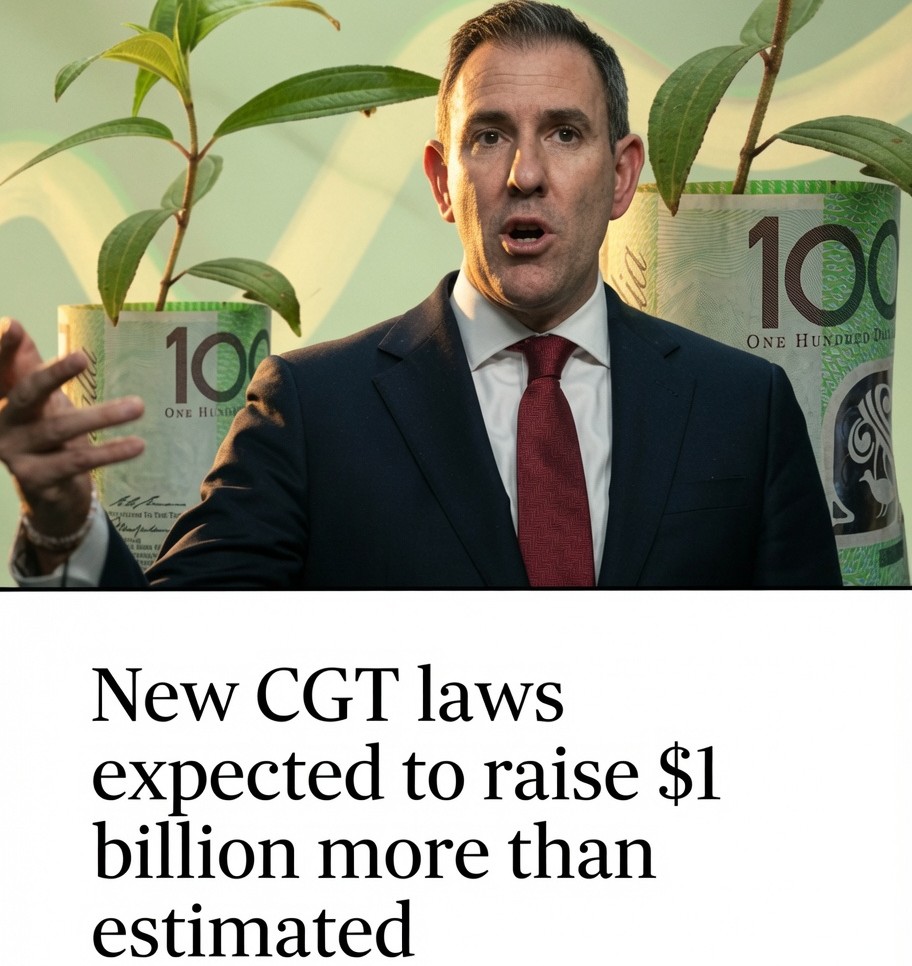
Business organisations and investment groups, however, have expressed concern that changes affecting foreign investors could reduce Australia’s competitiveness at a time when significant private capital is needed to finance new wind, solar, battery storage and transmission infrastructure. They argue that policy certainty and internationally competitive tax settings are important factors influencing investment decisions.
Energy economists note that large renewable energy developments typically require substantial long-term investment from both domestic and international financial institutions. Investors often evaluate taxation, regulatory stability, financing costs, electricity market conditions and expected project returns before committing capital to major infrastructure projects.
Australia’s transition towards a lower-emission electricity system continues to require significant investment across generation, transmission networks, storage technology and supporting infrastructure. Governments, private investors and energy companies all play important roles in financing these projects, making investment confidence a recurring topic in energy policy discussions.
Tax specialists also observe that governments regularly seek to balance two competing objectives: maintaining an internationally competitive investment environment while ensuring the tax system generates sufficient revenue to fund public services and infrastructure. Adjustments to tax policy can therefore attract differing views depending on how stakeholders assess their likely economic effects.
Political analysts expect taxation and investment policy to remain central issues in Australia’s broader economic debate alongside housing affordability, productivity, cost-of-living pressures and energy security. The renewable energy sector is likely to remain an important focus as governments continue pursuing emissions reduction objectives while encouraging private investment.
As Parliament, industry representatives and investors continue examining the proposed measures, debate is expected to focus on how Australia can attract long-term capital while maintaining a sustainable tax system. The eventual impact of any legislative changes will depend on the final form of the law, investor responses and broader domestic and international economic conditions.






