The Albanese Government has declined to publicly disclose details of how it formally responded to China’s launch of a nuclear-capable missile into the Pacific, with Acting Prime Minister Richard Marles saying sensitive diplomatic communications could not be discussed in public.
According to published reports, Marles confirmed that Australia had raised its concerns with China following the missile launch but declined to explain exactly how those concerns were conveyed or where the missile landed. He said certain matters involving diplomacy and national security could not be disclosed publicly, prompting renewed political debate over transparency and regional security.
The reported missile launch attracted international attention because it involved a nuclear-capable weapons system operating over the Pacific region. Although capability does not necessarily indicate that a weapon was carrying a nuclear payload, such tests are routinely monitored closely by governments because of their potential implications for regional security and strategic stability.
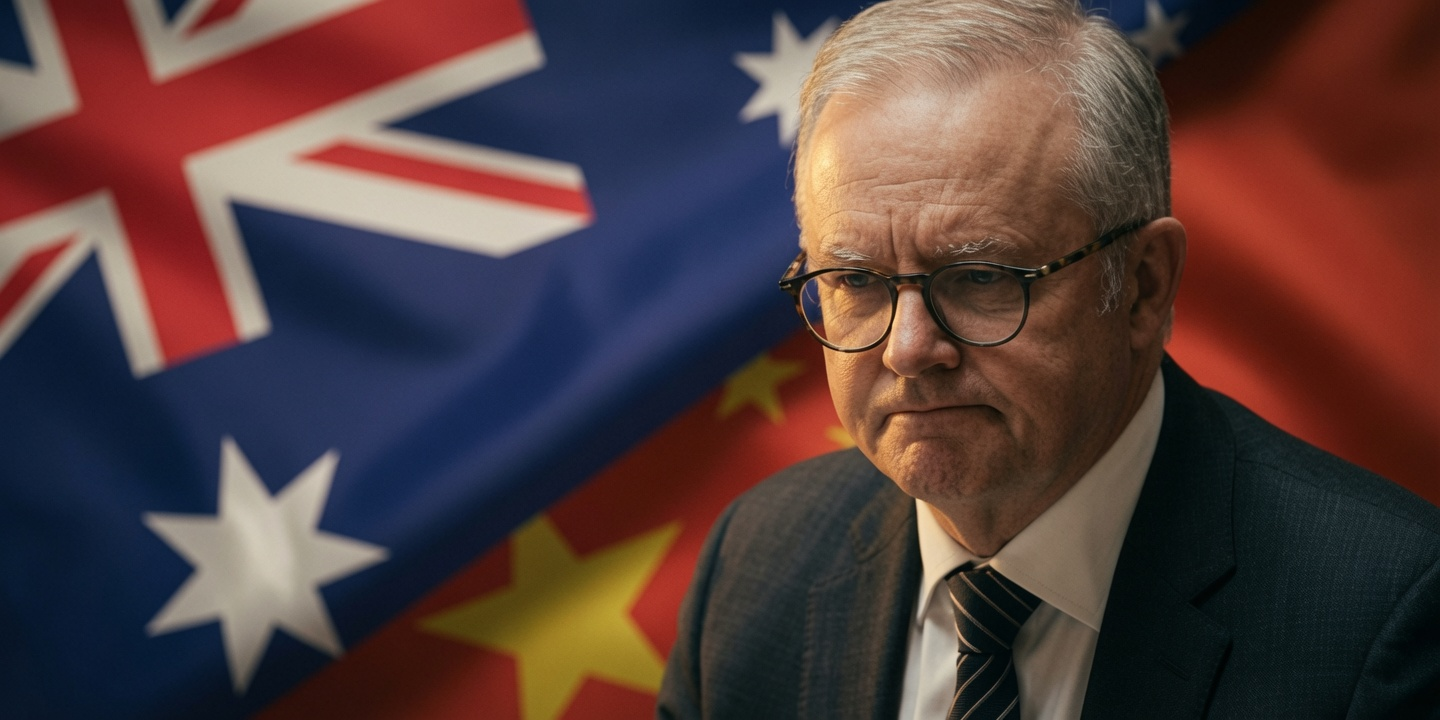
The Australian Government has stated that it communicated its concerns directly through diplomatic channels, maintaining that sensitive discussions with foreign governments are often conducted confidentially. Officials argue that private diplomatic engagement can be an important component of managing complex international relationships while protecting Australia’s national interests.
Opposition politicians and some commentators have questioned whether the Government should provide greater public detail about its response, arguing that Australians have a legitimate interest in understanding how significant regional security events are being addressed. Others acknowledge that governments frequently withhold operational or diplomatic information where disclosure could affect ongoing international engagement or national security considerations.
Defence analysts note that Australia closely monitors strategic developments throughout the Indo-Pacific in cooperation with regional partners and allies. Missile testing, military exercises and changes in defence capability are regularly assessed as part of broader efforts to understand the evolving security environment.
Australia’s relationship with China remains one of the country’s most important international relationships, encompassing trade, diplomacy, regional security and strategic competition. Governments from both major political parties have sought to balance economic engagement with the protection of Australia’s national security interests.
Experts in international relations observe that governments often face difficult decisions regarding how much information should be released following sensitive security events. While transparency supports public accountability, diplomatic confidentiality can sometimes assist negotiations, reduce tensions and preserve channels of communication between governments.
As developments across the Indo-Pacific continue attracting international attention, Australia’s approach to defence, diplomacy and regional security is expected to remain a significant focus of public and parliamentary debate. Further information may become available if additional statements are released by Australian or international authorities.






