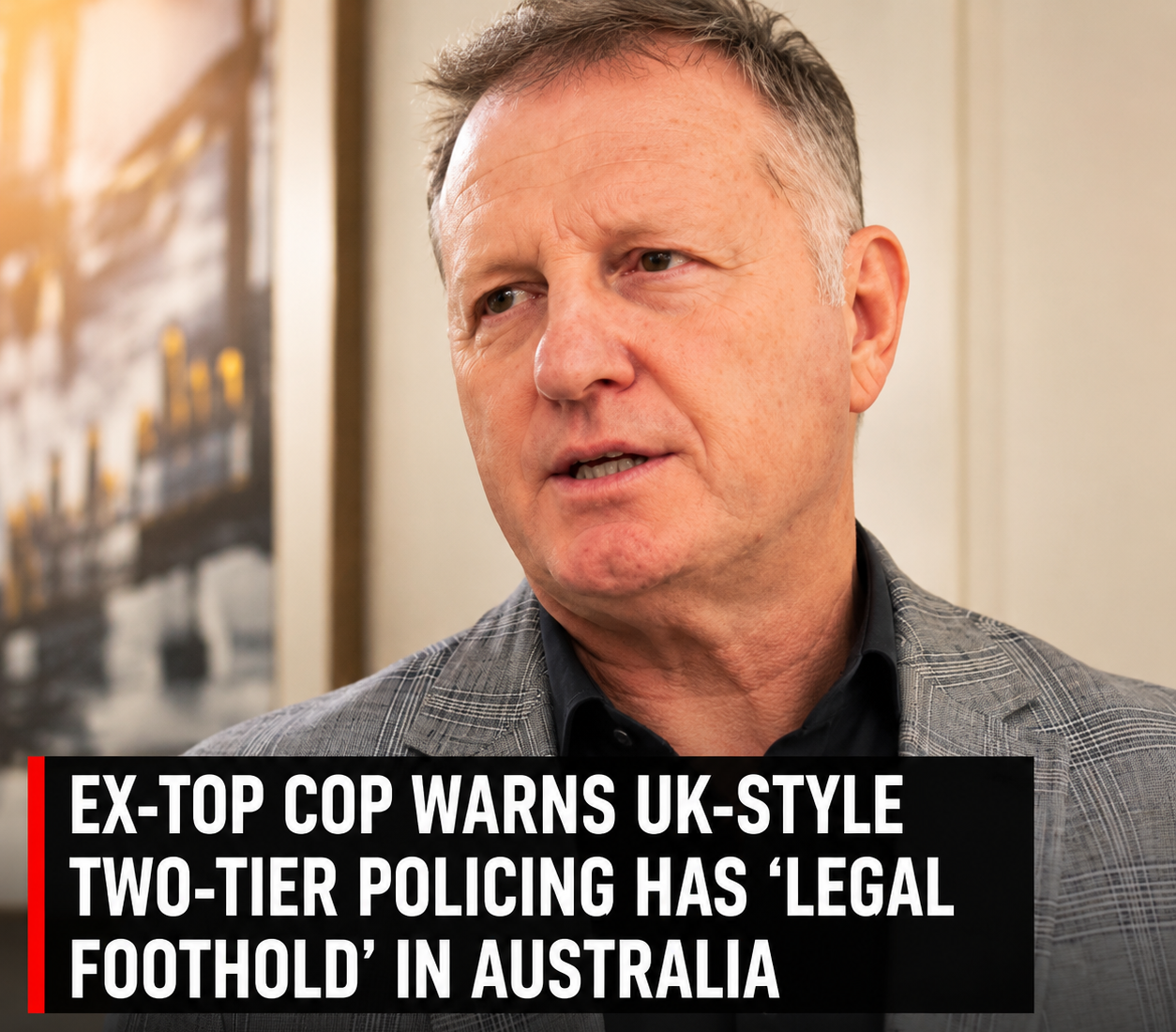
A former senior Australian Federal Police officer has raised concerns about Australia’s expanded hate speech laws, arguing the legislation could create unequal outcomes in the way certain offences are investigated and prosecuted.
According to published reports, the former officer said the new legal framework risks introducing what he described as “two-tier policing,” drawing comparisons with criticisms that have previously been made about policing practices in the United Kingdom. He argued the laws could produce differing legal outcomes depending on the circumstances of individual cases. These comments represent his personal opinion and not the official position of Australian police agencies or the Federal Government.
The Albanese Government has consistently defended the legislation, stating that the reforms are intended to strengthen protections against serious vilification and hate-motivated conduct while reinforcing community safety. Ministers have argued the laws respond to increasing concern about hate-related incidents and aim to protect vulnerable communities without preventing legitimate public discussion conducted within the law.
Since the legislation was introduced, legal practitioners, civil liberties advocates and community organisations have expressed differing views about its likely impact. Some support stronger legal protections against hate-based conduct, arguing they improve public safety and help deter serious acts of intimidation or violence. Others have questioned whether aspects of the legislation could affect freedom of expression or create uncertainty regarding how the laws may be interpreted.
Legal experts note that the practical operation of any new legislation is ultimately determined through its application by police, prosecutors and the courts. Judicial decisions over time help clarify how statutory provisions should be interpreted and establish precedents that guide future enforcement.
Australia’s legal system generally requires police and prosecutors to assess each matter based on the available evidence, relevant legislation and prosecutorial guidelines. Final determinations regarding criminal liability are made by the courts rather than by public commentary or political debate.
Debate surrounding hate speech legislation has occurred in a number of democratic countries, with policymakers seeking to balance protection from serious vilification and threats against long-standing principles relating to freedom of expression. Different jurisdictions have adopted different legislative approaches depending on their constitutional and legal frameworks.
As Australia’s updated laws continue to be implemented, legal scholars, community organisations and policymakers are expected to closely monitor how the legislation operates in practice. Future court decisions and parliamentary reviews may provide further guidance on the scope and application of the reforms.
For now, discussion surrounding the legislation remains an active public policy debate, with supporters and critics continuing to present differing perspectives on how Australia should balance community protection, equality before the law and freedom of expression.






