Prime Minister Anthony Albanese is expected to defend the Federal Government’s major tax package after criticism from political opponents, while NSW Premier Chris Minns has intensified his criticism of One Nation’s recent “monoculture” proposal during a broader discussion about Australia’s future direction.
According to published reports, the Prime Minister will respond to concerns surrounding the Government’s tax reforms, arguing they form part of Labor’s broader economic agenda. At the same time, Minns has criticised One Nation’s position on multiculturalism, saying Australia’s diversity remains one of the country’s strengths. The developments highlight two significant political debates currently attracting national attention.
Labor has consistently argued that its tax package is intended to support long-term economic objectives while helping address cost-of-living pressures and improving the fairness of Australia’s taxation system. Government ministers have defended the reforms as part of a broader strategy covering housing, economic growth and public finances.
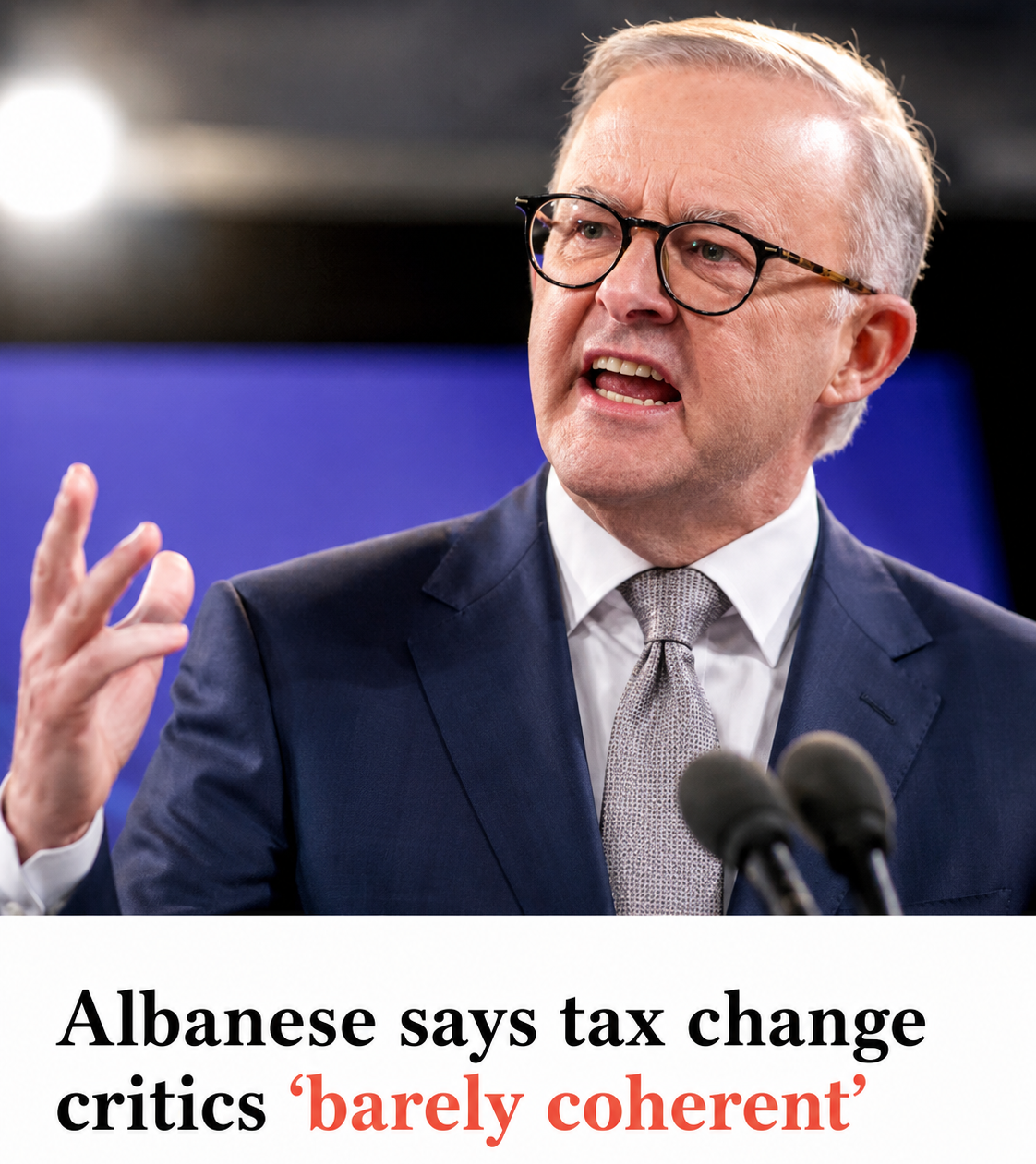
Critics of the package have questioned whether the proposed changes could produce unintended consequences for investment, housing affordability or economic confidence. Debate over taxation has become one of the central issues in Australia’s political landscape as households and businesses continue navigating higher living costs and changing economic conditions.
Separately, One Nation has continued promoting policies that place greater emphasis on cultural assimilation, including proposals relating to government services, multicultural institutions and national identity. The party argues that stronger integration and greater use of English in public life would improve long-term social cohesion.
Minns has rejected that approach, defending multiculturalism as an important feature of modern Australia while arguing that people from diverse backgrounds have contributed significantly to the country’s economy, communities and cultural life. His comments reflect the NSW Government’s position and add to the wider national discussion about immigration, integration and social cohesion.
Political analysts note that taxation and cultural identity have emerged as two of the most prominent issues shaping public debate ahead of future elections. While they involve different policy areas, both topics influence broader discussions about economic management, national priorities and Australia’s long-term direction.
Observers also note that governments and opposition parties frequently seek to define the political agenda by emphasising different issues, particularly during periods of heightened public attention. As a result, debates over taxation, immigration, multiculturalism and cost-of-living pressures often occur simultaneously and compete for public attention.
With Parliament and political parties continuing to outline competing policy visions, Australians are likely to hear further discussion in the coming weeks about tax reform, multiculturalism and broader economic policy. Any future legislative changes would ultimately depend on parliamentary processes and decisions made by elected representatives.






