Australia’s political debate has again turned to the identity of the Australian Labor Party following a statement arguing that the party has shifted away from its traditional role as a representative of working Australians.
The statement claims Labor now places greater emphasis on progressive social issues and urban liberal voters than on the concerns of many working Australians. It also argues that the party’s positions on taxation, immigration, crime, national identity and cultural issues no longer reflect the priorities of a significant section of the electorate. These views represent a political opinion rather than an independently established fact.
The Australian Labor Party has consistently maintained that its policy agenda remains focused on improving living standards through measures relating to wages, employment, healthcare, education, housing affordability and cost-of-living assistance. Government ministers have argued that these policies are intended to support working Australians while promoting economic growth and social inclusion.
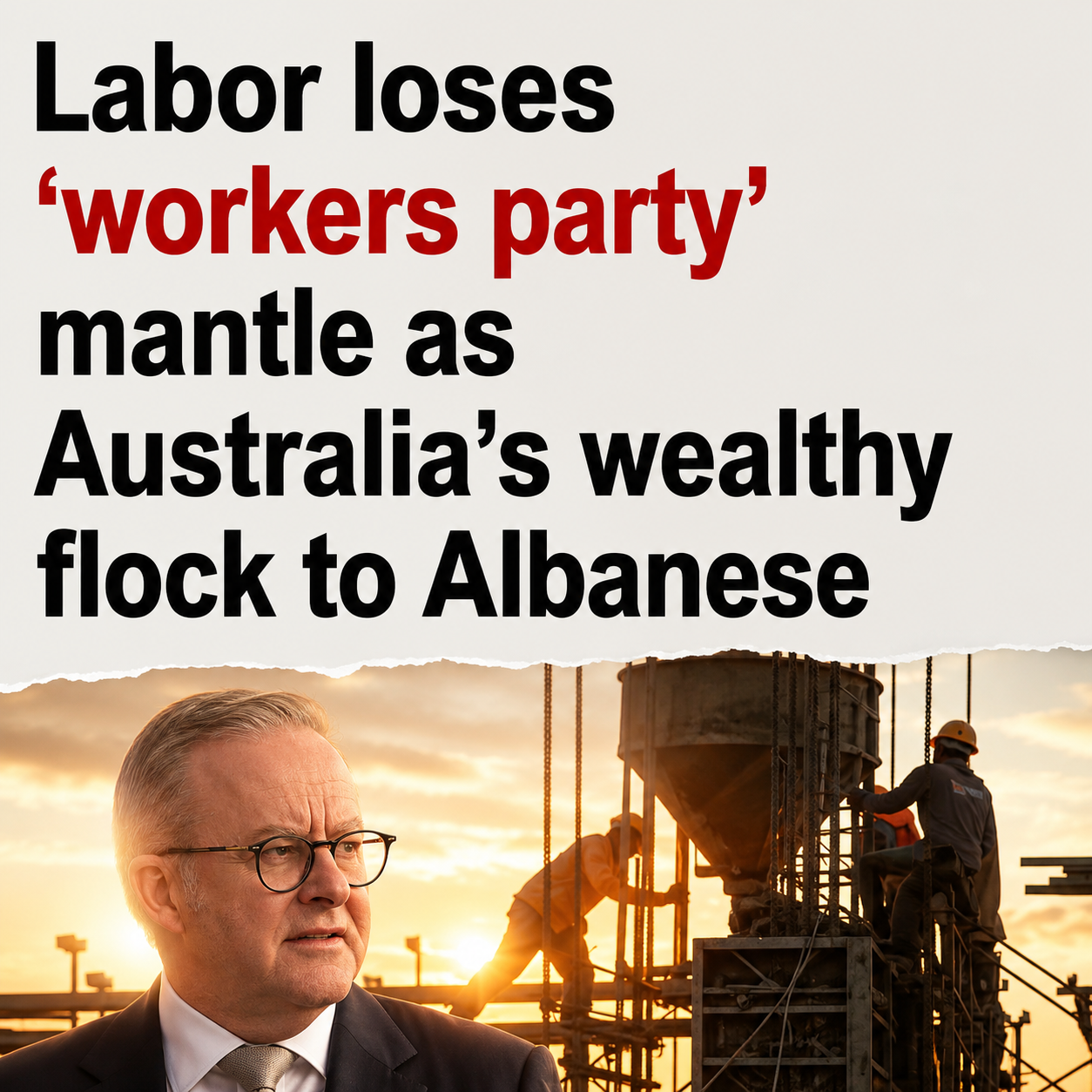
Political commentators have increasingly discussed whether Australia’s major parties are experiencing changes in their traditional voter bases. Some analysts argue that Labor has gained stronger support in metropolitan electorates with highly educated populations, while others note that the party continues to attract significant support from workers, trade union members and a broad cross-section of Australian communities.
Questions about political identity are not unique to Labor. Across many established democracies, major political parties have faced changing voter expectations driven by economic transformation, demographic change, housing affordability, migration, technological development and shifting cultural priorities. These trends have encouraged parties to adapt their policy platforms while attempting to maintain support across diverse electorates.
Issues such as taxation, immigration, public safety, housing, cost-of-living pressures and national identity continue to generate significant political discussion in Australia. Different parties offer contrasting approaches to these topics, with voters ultimately deciding which policies best reflect their priorities at election time.
Political scientists note that broad descriptions such as “working-class voters,” “progressive voters” or “urban professionals” encompass diverse groups whose political preferences can vary considerably depending on local issues, economic conditions and leadership. As a result, electoral support often shifts over time rather than remaining permanently aligned with any one party.
Australia’s democratic system allows parties to present competing visions for the country’s future while voters assess those proposals through public debate and elections. Commentary about the direction of political parties forms part of that wider democratic discussion but should be distinguished from factual reporting about government policy or election outcomes.
As public debate over Australia’s political future continues, discussions about Labor’s identity, electoral coalition and policy priorities are likely to remain central themes alongside broader conversations about the country’s economic and social direction.






