Legislation before the Victorian Parliament proposing the creation of a new outdoor recreation super agency has ignited debate after the state government confirmed the body would have the authority to encourage children as young as 12 to participate in recreational shooting under Victoria’s existing licensing laws.
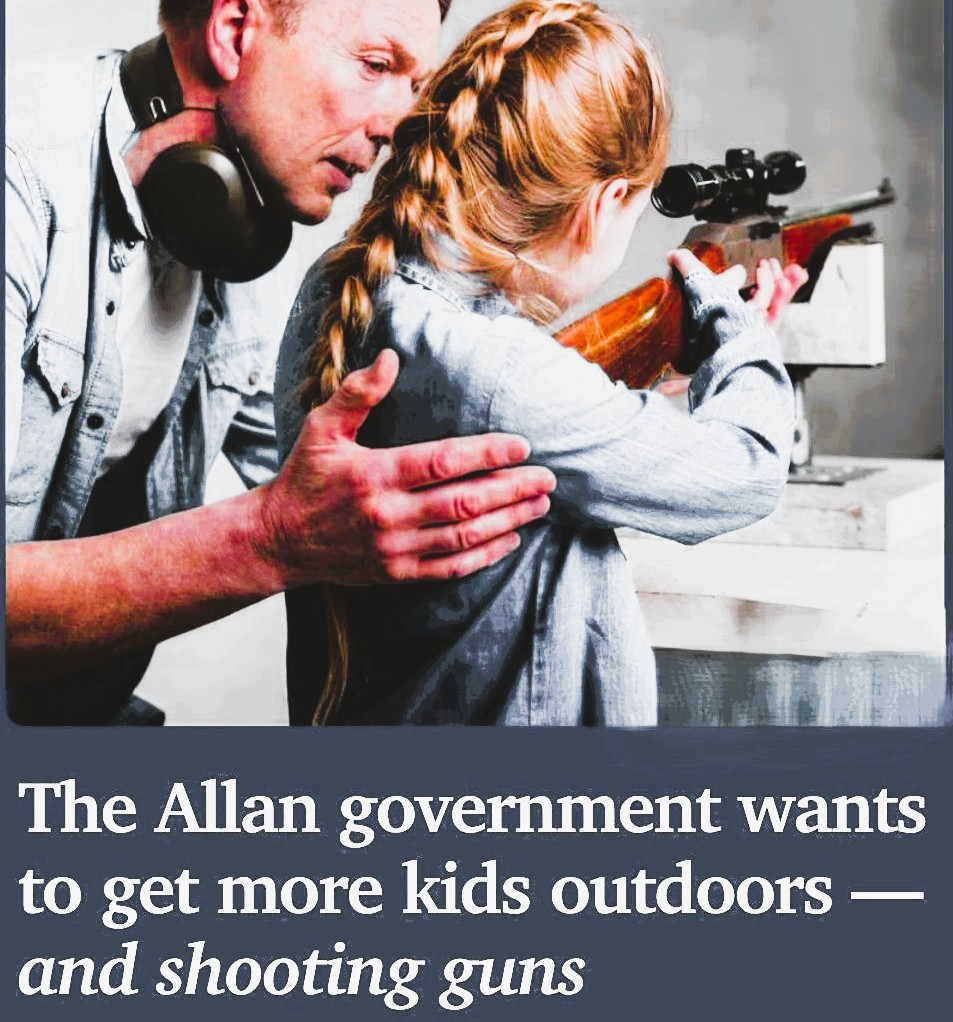
The proposed authority, to be known as Outdoor Recreation Victoria, would combine the Victorian Fisheries Authority and the Game Management Authority into a single organisation responsible for regulating fishing, hunting and a broader range of outdoor recreational activities across the state. Alongside its regulatory functions, the new agency would also be tasked with increasing participation in outdoor recreation, including licensed shooting sports.
Outdoor Recreation Minister Enver Erdogan acknowledged that the agency would have the capacity to promote shooting to young people who are legally eligible to participate under Victoria’s firearms licensing framework.
That confirmation has prompted strong criticism from several child safety and animal welfare advocates, who argue the proposal sends the wrong message about firearms at a time when governments continue investing heavily in violence prevention initiatives.
Sarah Davies, chief executive of the Alannah & Madeline Foundation, questioned the consistency of allowing government-backed promotion of junior shooting while Victoria continues imposing strict restrictions on children’s access to social media.
“It is concerning that a 13-year-old cannot use Facebook, yet they can legally use guns,” Davies said, arguing there was little public benefit in encouraging greater participation by minors in firearm-related activities. She also expressed concern that the structure of the new agency could allow industry interests to outweigh broader public safety considerations.
Animal Justice Party MP Georgie Purcell also criticised the proposal, warning that taxpayers should not fund campaigns encouraging children to become involved with firearms.
Purcell argued the legislation could eventually allow promotional activities in schools or other educational settings, describing the possibility as deeply concerning given increasing public sensitivity to gun violence.
She compared the proposal with the Victorian Government’s existing Little Anglers program, which introduces schoolchildren to recreational fishing, asking whether similar publicly funded initiatives could one day be developed for junior shooting sports.
The Allan Government has rejected suggestions that the proposal weakens Victoria’s firearm safety regime.
A government spokesperson emphasised that Victoria Police licensing requirements remain unchanged. Teenagers wishing to participate in recreational shooting must obtain a junior firearms licence from Victoria Police, hold a junior game licence where required and remain under the direct supervision of a licensed adult whenever using a firearm.
The government said these activities are already lawful forms of sport and recreation, and that Outdoor Recreation Victoria’s role would include education about compliance as well as enforcement against unlawful conduct.
Supporters of junior shooting sports argue the controversy overlooks the extensive safeguards already built into Victoria’s licensing system.
Family First said comparisons between supervised shooting and unrestricted social media use were misleading because junior shooters are subject to licensing, adult supervision and strict legal controls every time they participate. The party argued organised shooting sports have long been family-oriented recreational activities in many regional communities and can help develop discipline, responsibility and safe firearm handling under controlled conditions.
The Sporting Shooters’ Association of Australia has similarly argued that structured junior participation promotes safety through education rather than encouraging irresponsible firearm use. Supporters also point to hunting’s role in controlling feral animal populations and protecting agricultural land and native ecosystems.
Opponents remain unconvinced.
They argue that, regardless of existing licensing safeguards, using a government agency to actively promote participation represents a significant policy shift from regulating lawful activities to encouraging greater firearm use among minors.
The proposal has also become politically contentious because it arrives amid broader debates over public safety, youth wellbeing and the influence of interest groups on government policy.
The Victorian Greens criticised the legislation, arguing that the state should prioritise cost-of-living pressures, housing affordability and stronger gun safety measures rather than creating a body capable of promoting shooting sports to children. The party also questioned whether the move reflected the influence of firearm advocacy groups on public policy.
The legislation does not alter the minimum licensing age or existing legal requirements governing firearm ownership and use in Victoria.
Instead, the controversy centres on the promotional role that Outdoor Recreation Victoria would be permitted to undertake once established.
Political analysts note that the debate reflects a broader philosophical divide.
Supporters view supervised shooting as a legitimate recreational activity comparable with fishing, archery or other outdoor pursuits conducted under strict regulation. Critics believe government resources should not be used to encourage children to participate in activities involving firearms, regardless of existing safeguards.
As the legislation continues through Parliament, the discussion is likely to remain focused on where governments should draw the line between promoting lawful recreational activities and protecting broader community expectations around child safety and public health.






