Australia’s outstanding performances at the 2026 Commonwealth Games in Glasgow have reignited one of Victoria’s most controversial political decisions, with renewed scrutiny over why the state abandoned hosting the event despite years of planning and hundreds of millions of dollars already being spent.
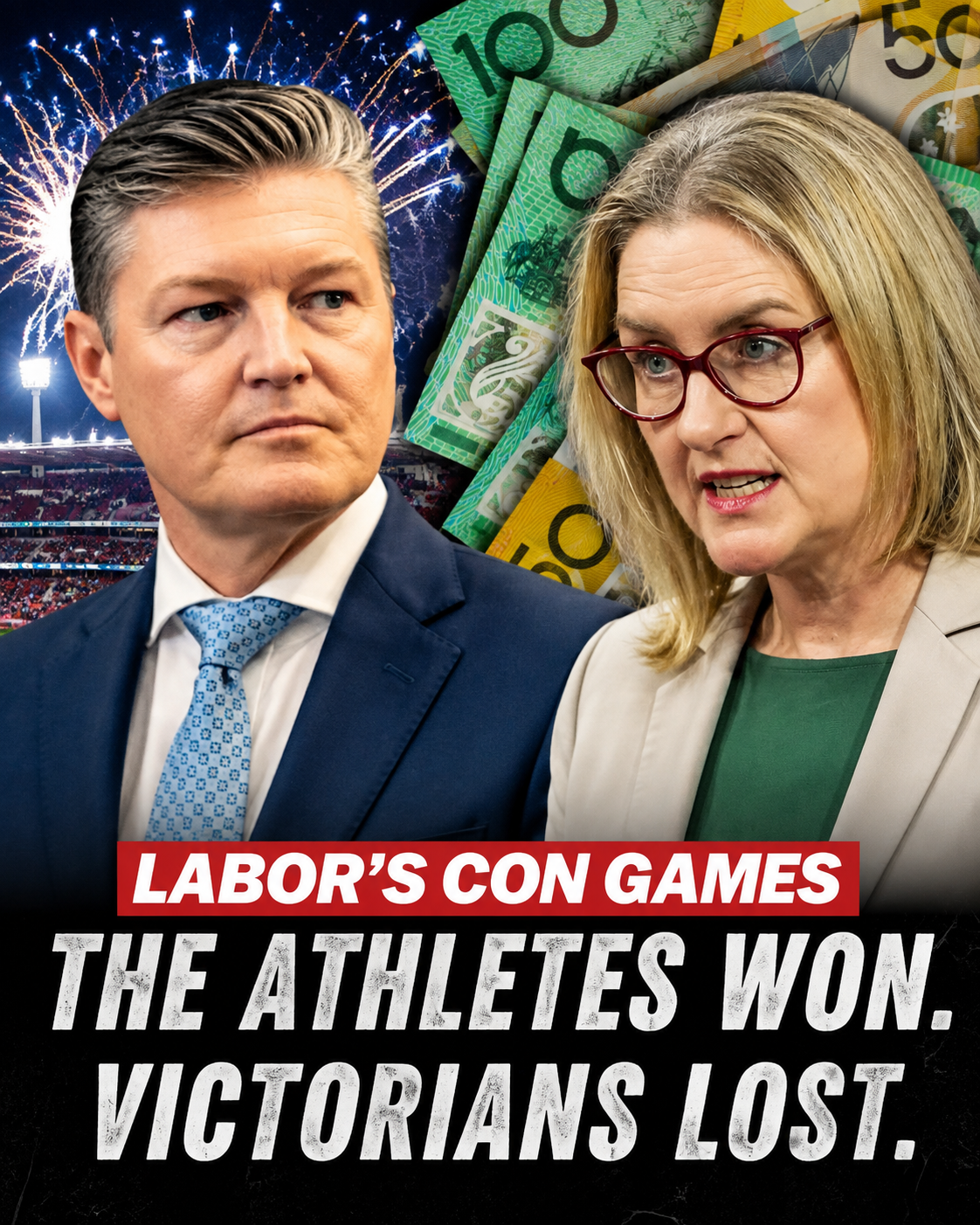
As Australian athletes continue to deliver medal-winning performances in Scotland, critics argue the celebrations are accompanied by lingering questions about what might have been had the Games remained in Victoria.
The issue has once again become a political flashpoint ahead of Victoria’s November election, with opposition figures accusing the Labor government of wasting taxpayer money and depriving regional communities of an event that was expected to deliver lasting economic and sporting benefits.
Victoria was originally awarded hosting rights for the 2026 Commonwealth Games in April 2022, with competitions scheduled across Melbourne, Geelong, Ballarat, Bendigo and Gippsland.
The regional model was promoted as an opportunity to spread investment beyond the state capital while showcasing Victoria to an international audience.
However, in July 2023, then-Premier Daniel Andrews announced the government would withdraw from hosting after claiming projected costs had escalated from around A$2.6 billion to between A$6 billion and A$7 billion, making the event financially unsustainable.
The decision stunned sporting organisations, local councils and the Commonwealth Games Federation, triggering a lengthy search for a replacement host.
Eventually, Glasgow agreed to stage a significantly scaled-back version of the Games using mostly existing venues and infrastructure.
The revised event has operated on a dramatically smaller budget than Victoria’s original proposal, with compensation paid following Victoria’s withdrawal forming a major part of the financial package supporting the Scottish event.
That contrast has become central to renewed political criticism.
Opposition figures argue the successful staging of the Games in Glasgow raises legitimate questions about whether Victoria’s cost projections accurately reflected what was ultimately required to keep the event alive.
Several critics have pointed to estimates suggesting the Glasgow Games have been delivered with total investment of about A$287 million after adopting a leaner model focused on existing venues and a reduced sporting program.
The Victorian government’s cancellation also carried a significant financial cost.
Settlement payments, contractual obligations and associated expenses have been estimated at close to A$589 million, while separate arrangements helped finance Glasgow’s replacement Games after Victoria exited the hosting agreement.
Supporters of the cancellation continue to argue the decision prevented taxpayers from being exposed to multi-billion-dollar overruns at a time when Victoria faced growing debt pressures and competing priorities such as housing, health and transport infrastructure.
The government has consistently maintained that continuing with the Games would have represented poor value for money given rapidly escalating forecasts.
Following the cancellation, ministers pledged to redirect billions of dollars that had been earmarked for the event into regional housing projects, sporting facilities and other community infrastructure.
Those commitments remain part of Labor’s defence of the decision.
Nevertheless, criticism has persisted from athletes, sporting administrators and regional communities that had expected to benefit from hosting international competition.
Many argued that beyond direct economic returns, the Games would have generated tourism, infrastructure improvements, volunteer opportunities and long-term exposure for regional Victoria.
The cancellation also created uncertainty about the future of the Commonwealth Games itself before Glasgow ultimately stepped forward with a rescue proposal.
Officials from Commonwealth Sport have since suggested Victoria’s withdrawal damaged confidence in the event and complicated efforts to secure future hosts, although they have welcomed Glasgow’s successful delivery of the 2026 Games.
Australia’s athletes have meanwhile ensured the sporting story has remained overwhelmingly positive.
The national team has produced a series of standout performances across swimming, athletics, cycling and other disciplines, reinforcing Australia’s long-standing status as one of the Commonwealth Games’ strongest nations.
Those achievements have prompted many commentators to argue the focus should remain on the competitors themselves, even as political debate continues over the circumstances that moved the Games from Australia to Scotland.
The issue has also become intertwined with broader concerns about Victoria’s financial management.
Opposition parties have repeatedly linked the Commonwealth Games cancellation to wider criticism of major infrastructure cost blowouts, rising state debt and budget pressures accumulated over recent years.
Labor rejects those claims, arguing substantial investments have modernised Victoria and that difficult financial decisions have been necessary in response to changing economic conditions.
With Victoria preparing for another state election, the Commonwealth Games remains one of the defining political issues likely to feature prominently during the campaign.
Critics continue to argue taxpayers deserve a clearer explanation of why Victoria concluded the event would cost several billion dollars, while a much smaller Games ultimately proceeded in Scotland.
Supporters of the government’s decision maintain that comparisons between Victoria’s original multi-city proposal and Glasgow’s scaled-back model overlook major differences in scope, infrastructure requirements and contractual obligations.
The Victorian Auditor-General has previously examined aspects of the government’s decision-making process, while debate continues among politicians, economists and sporting leaders over whether withdrawal represented prudent fiscal management or an avoidable policy failure.
Whatever the competing political interpretations, Australia’s athletes have delivered a memorable Commonwealth Games campaign that has captured national attention.
At the same time, every medal won in Glasgow has served as a reminder of the event that was originally intended to take place on Australian soil.
As Victorians prepare to vote later this year, the cancellation of the 2026 Commonwealth Games remains more than a sporting story—it continues to shape debate over government spending, accountability and leadership, ensuring one of the state’s most contentious decisions remains firmly in the political spotlight.






