The Victorian Government has confirmed that Premier Jacinta Allan and her ministers will not travel to Glasgow for the upcoming Commonwealth Games, despite Victoria contributing financial support to help ensure the event proceeds following the state’s withdrawal as host.
According to published reports, Victoria has provided millions of dollars towards the Games after the state cancelled its own hosting plans because projected costs increased substantially beyond initial estimates. While financial support has continued, government representatives have indicated ministers will remain in Victoria rather than attend the event in person. The decision reflects the Government’s current approach and has prompted renewed discussion about the lasting political impact of the cancelled Games.
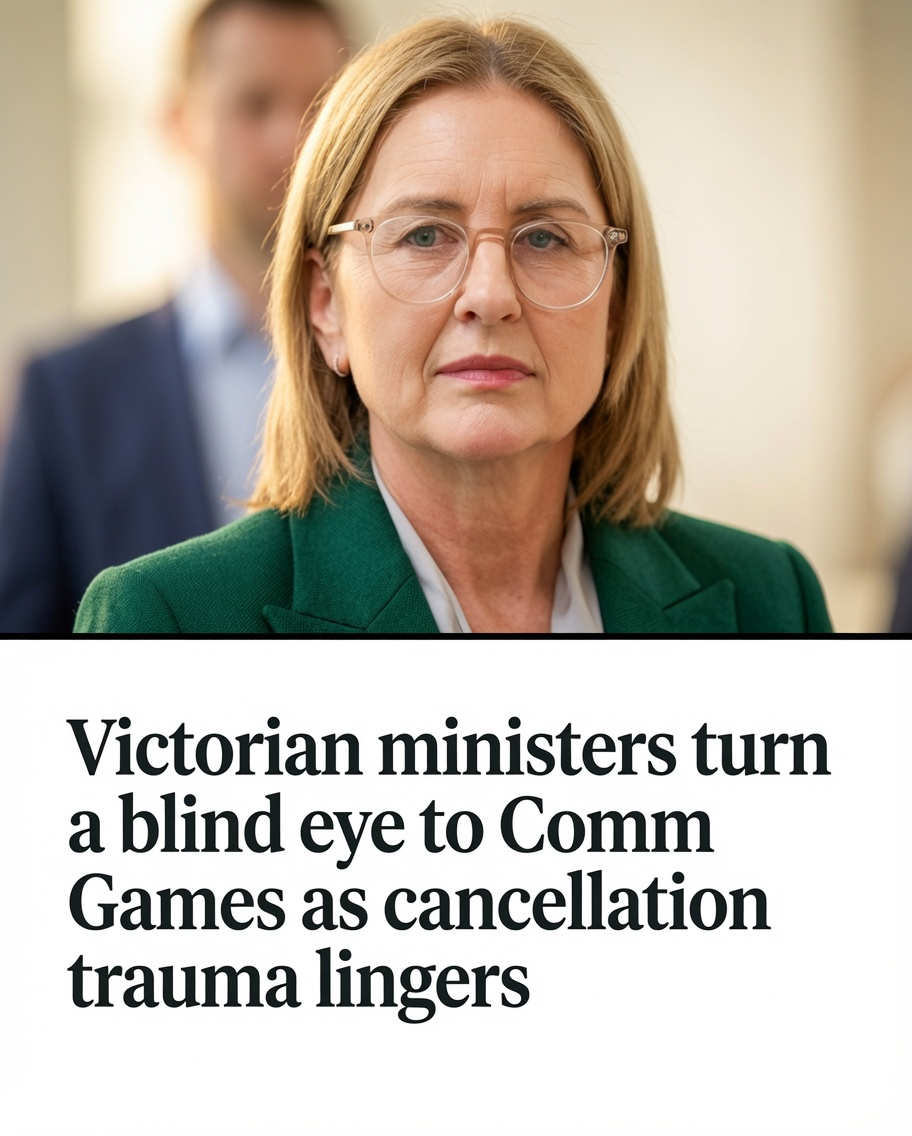
Victoria’s decision to withdraw from hosting the Commonwealth Games became one of the state’s most significant political controversies after projected costs rose dramatically from original forecasts. The cancellation led to negotiations with the Commonwealth Games Federation and other stakeholders before an alternative hosting arrangement was established.
Governments frequently review major infrastructure and sporting events when estimated costs change significantly. Supporters of cancellation argued that proceeding with substantially higher expenditure would not have represented responsible financial management, while critics maintained the withdrawal damaged Victoria’s international reputation and reduced potential economic opportunities associated with hosting a major sporting event.
The Commonwealth Games continue to hold an important place in international sport, bringing together athletes from nations and territories across the Commonwealth. Host cities typically seek economic, tourism and community benefits alongside the opportunity to showcase local infrastructure and cultural attractions to a global audience.
Political analysts note that decisions regarding attendance at international events often carry symbolic as well as practical significance. Government leaders may choose to attend in support of diplomatic, sporting or economic objectives, while remaining at home can reflect competing domestic priorities or political considerations.
Public finance experts observe that governments regularly balance spending on major events against competing demands including healthcare, education, transport infrastructure and other essential public services. Large sporting events frequently generate debate over whether anticipated long-term economic benefits justify the level of public investment required.
The cancellation of Victoria’s Commonwealth Games continues to influence political discussion within the state. Questions surrounding project planning, cost estimation, public expenditure and accountability remain recurring themes in debate between the Government and Opposition, particularly as major infrastructure and sporting investments continue to be assessed.
Although Victoria is contributing financially to support the Glasgow event, the absence of senior ministers underscores how the cancelled Games remain a politically sensitive issue. As the event approaches, attention is likely to remain focused not only on the sporting competition itself but also on the broader lessons governments may draw when planning future major international events.






