Two teenagers accused of breaking into Perth Zoo after hours and attacking a 400-kilogram saltwater crocodile with a metal pole have appeared in the Perth Children’s Court, where the allegations were described as serious and unusual.
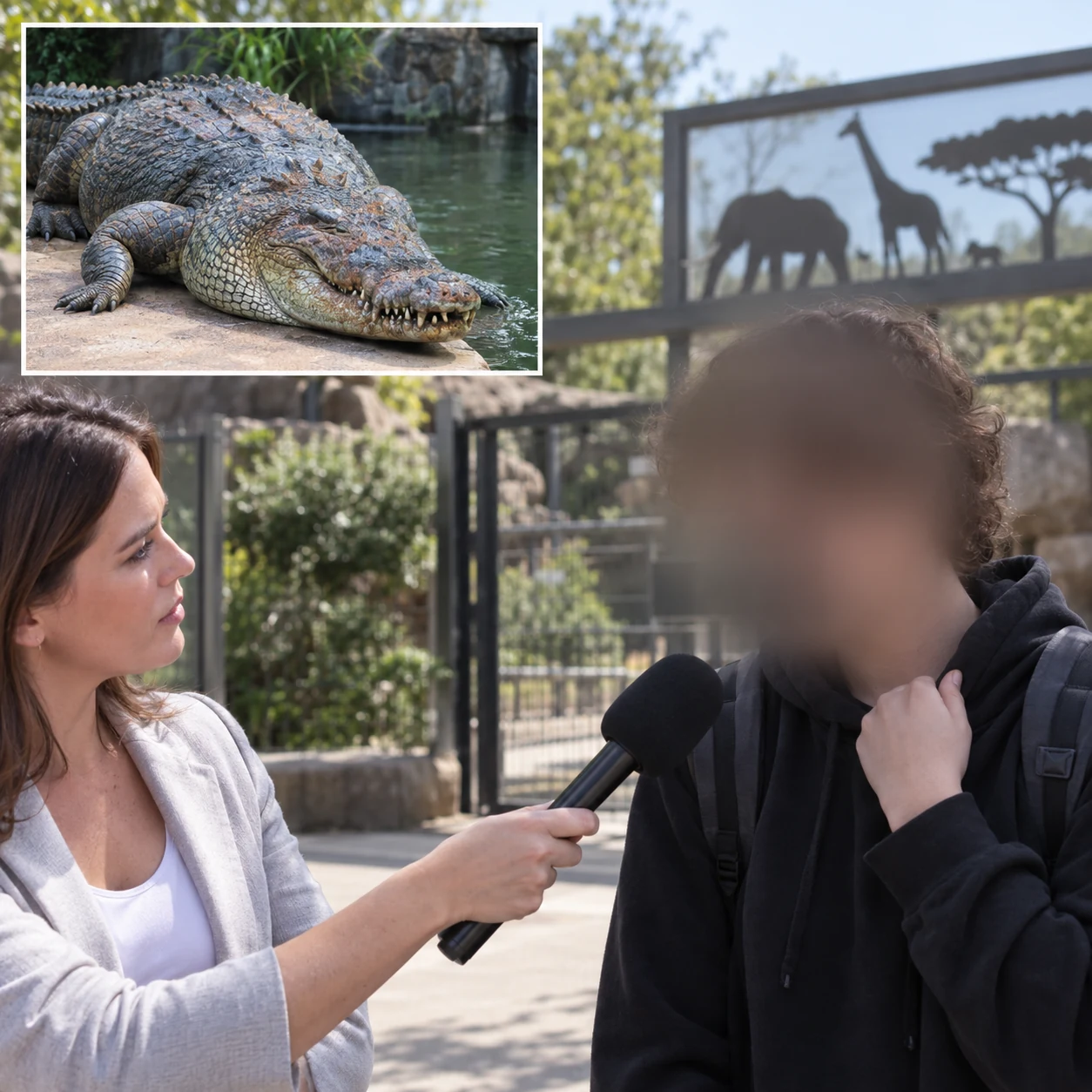
Police allege the boys, aged 16 and 17, entered the South Perth zoo at about 7.15pm on Sunday, 13 September, when the attraction was closed to the public. Investigators say the pair cut locks to gain access to back-of-house areas connected with the crocodile exhibits and later damaged CCTV cameras.
The saltwater crocodile at the centre of the case is Dangalabba, a male measuring more than four metres long and weighing about 400 kilograms. Perth Zoo said the animal suffered minor injuries and was placed under veterinary care after staff discovered the alleged break-in the following morning.
In court, a police prosecutor outlined allegations that the teenagers first entered an area associated with the zoo’s crocodile facilities before moving to Dangalabba’s enclosure. The court heard the crocodile was agitated by banging on the enclosure and lunged towards the teenagers.
One of the boys is then alleged to have entered the enclosure and struck the crocodile with a metal pole while the other held a torch. CCTV cameras were allegedly removed or damaged during the incident. The court was also told the teenagers were later seen riding staff bicycles around the zoo.
Both boys have been charged with two counts of criminal damage or destruction of property, one count of trespass and one count of animal cruelty. Those charges remain allegations and neither teenager should be treated as guilty unless the allegations are admitted or proven in court.
The incident was reported to police on Monday morning after zoo staff identified damage and signs that restricted areas had been entered. Officers later arrested the teenagers at separate addresses in Baldivis and Belmont.
The boys appeared in court on Tuesday. One was granted bail and is due to return to court on 6 October. The other was remanded in custody pending a bail application listed for 18 September.
Outside court, one of the teenagers told reporters they had not meant to hurt the crocodile. That comment does not determine the allegations before the court, which will turn on the evidence presented in the proceedings.
Perth Zoo said it was deeply disappointed by the incident and was working with police. The zoo also began reviewing security arrangements after the break-in, with the Western Australian Environment Minister confirming that security at the site was being examined.
The alleged attack has attracted attention not only because of the animal welfare accusations but because entering a saltwater crocodile enclosure presents an extreme risk to people. Experienced crocodile handler Luke Campbell, who has worked with Dangalabba, said the animal was highly unpredictable and could never be considered tame simply because it had lived in captivity.
Saltwater crocodiles are powerful ambush predators capable of explosive movement over short distances. A large male can react far more quickly than a person may expect, particularly at close range. Campbell said the teenagers were fortunate not to have been seriously injured or killed.
That danger is an important part of the context surrounding the case. Zoo enclosures are designed around layers of separation between animals, staff and visitors. Back-of-house areas are not simply parts of the attraction hidden from public view; they are controlled working spaces where keepers rely on gates, locks, barriers and operating procedures to manage animals safely.
When those controls are bypassed, the risk extends beyond the intruder. Staff may have to enter an uncertain environment, confirm an animal’s location, inspect damaged equipment and assess whether barriers or locks have been compromised. A broken camera or damaged access point can also affect the ability to monitor an enclosure until repairs are completed.
The alleged damage to CCTV therefore has significance beyond the cost of replacing equipment. Cameras help staff monitor animal areas and provide a record of activity when something unusual occurs. In this case, footage also became part of the police investigation.
Perth Zoo’s response has focused on Dangalabba’s welfare and on understanding how the teenagers allegedly gained access to the zoo and its restricted areas. Police said it was not initially clear how the pair entered the broader zoo grounds before reaching the crocodile facilities.
The Western Australian government has said the zoo will review security in light of what happened. Any review is likely to examine the route allegedly taken, the condition and placement of locks and cameras, and whether additional physical or electronic measures are needed to protect high-risk animal areas after hours.
For a public zoo, security has to balance several competing needs. Facilities must remain accessible to large numbers of visitors during opening hours, staff must be able to move between public and restricted zones, and animals need environments designed around welfare rather than fortress-style barriers. The Perth incident raises the question of whether existing layers are sufficient when someone deliberately tries to defeat them.
The animal cruelty charges will be dealt with separately from the practical security issues. Prosecutors will need to establish the alleged conduct and the legal elements of each offence. The teenagers’ ages mean the matter is being handled in the Children’s Court, where publication restrictions and youth justice principles can apply.
The allegation involving Dangalabba has also prompted discussion among wildlife carers about the misconception that a captive crocodile is somehow safe to approach. Experts stress that habituation to keepers does not remove a crocodile’s predatory instincts or physical capability.
In court, the prosecutor said the animal lunged after being agitated. If proven, that detail underlines how quickly the incident could have ended very differently. A four-metre saltwater crocodile does not need prolonged contact to cause catastrophic injury.
Perth Zoo has continued caring for Dangalabba and has indicated his injuries were minor. That is a significant distinction from the seriousness of the alleged conduct: the criminal case concerns what the teenagers are accused of doing, not only the eventual degree of harm suffered by the animal.
Animal cruelty laws can apply to conduct that causes or risks unnecessary harm, while the criminal damage allegations relate to property and equipment said to have been damaged during the break-in. Trespass addresses the alleged unauthorised entry itself.
The case will now move through the youth justice system, beginning with the separate bail and procedural dates set for the two boys. Police may also continue examining digital and physical evidence gathered from the zoo.
For Perth Zoo, the immediate priorities are the crocodile’s recovery, repairing or replacing damaged equipment and completing the security review. For the teenagers, the next stages will determine whether the allegations are contested, admitted or otherwise resolved.
Until then, the central facts are that Dangalabba is recovering from minor injuries, two teenagers have been charged, and the court has begun dealing with allegations that transformed an after-hours break-in into a potentially lethal encounter with one of the zoo’s most dangerous animals.
The case has also highlighted the difference between a zoo’s public-facing environment and the systems operating behind it. Visitors may see a crocodile resting for long periods and assume the animal is inactive, but keepers plan around the possibility of sudden movement. Feeding, cleaning, veterinary work and enclosure maintenance are all managed with procedures intended to prevent staff from being exposed to an unsecured animal.
That is why an allegation that people deliberately cut locks and entered restricted spaces is treated differently from ordinary misbehaviour by visitors. The concern is not simply that rules were broken. A person inside the wrong zone can create a rescue situation in which keepers, police or emergency workers may also be put at risk. If an animal escapes because a barrier is damaged or left open, the consequences can extend to the wider zoo.
The court proceedings will also test the distinction between joint activity and individual acts. Police have charged both teenagers with the same categories of offences, but the prosecution’s account attributes different alleged actions to each boy, including the claim that one struck the crocodile while the other held a light. Youth court proceedings will consider the evidence against each accused separately, even where prosecutors allege they acted together.
The bail outcomes already differ. The decision to grant bail to one teenager and remand the other does not amount to a finding about guilt. Bail decisions consider matters such as risk, circumstances and proposed conditions while a case is pending. The substantive charges will still need to be dealt with at later hearings.
There is also a broader operational question for the zoo. Security reviews after an unusual breach are intended to identify how an event occurred, not to assume that every possible intrusion can be prevented. Measures such as stronger locks, alarms, camera positioning, lighting and after-hours monitoring can reduce risk, but the zoo must also preserve safe access for keepers and emergency responders.
The incident occurred only days before the school holiday period, when zoos and other public attractions typically prepare for higher visitor numbers. There has been no suggestion that ordinary visitors were at risk during opening hours, and the alleged break-in happened when the zoo was closed. Even so, a high-profile breach can affect public confidence, particularly where dangerous animals are involved.
Dangalabba’s condition remains the clearest positive element in the aftermath. The crocodile was not reported to have suffered serious or lasting injury, and zoo staff have continued monitoring him. The security investigation and the criminal case, however, are likely to continue for considerably longer than his physical recovery.