Progressive Democrat Dr Abdul El-Sayed has secured the Democratic nomination for Michigan’s open United States Senate seat, delivering one of the biggest upsets of the 2026 election cycle and setting up a high-stakes November showdown that could play a decisive role in determining control of the US Senate.
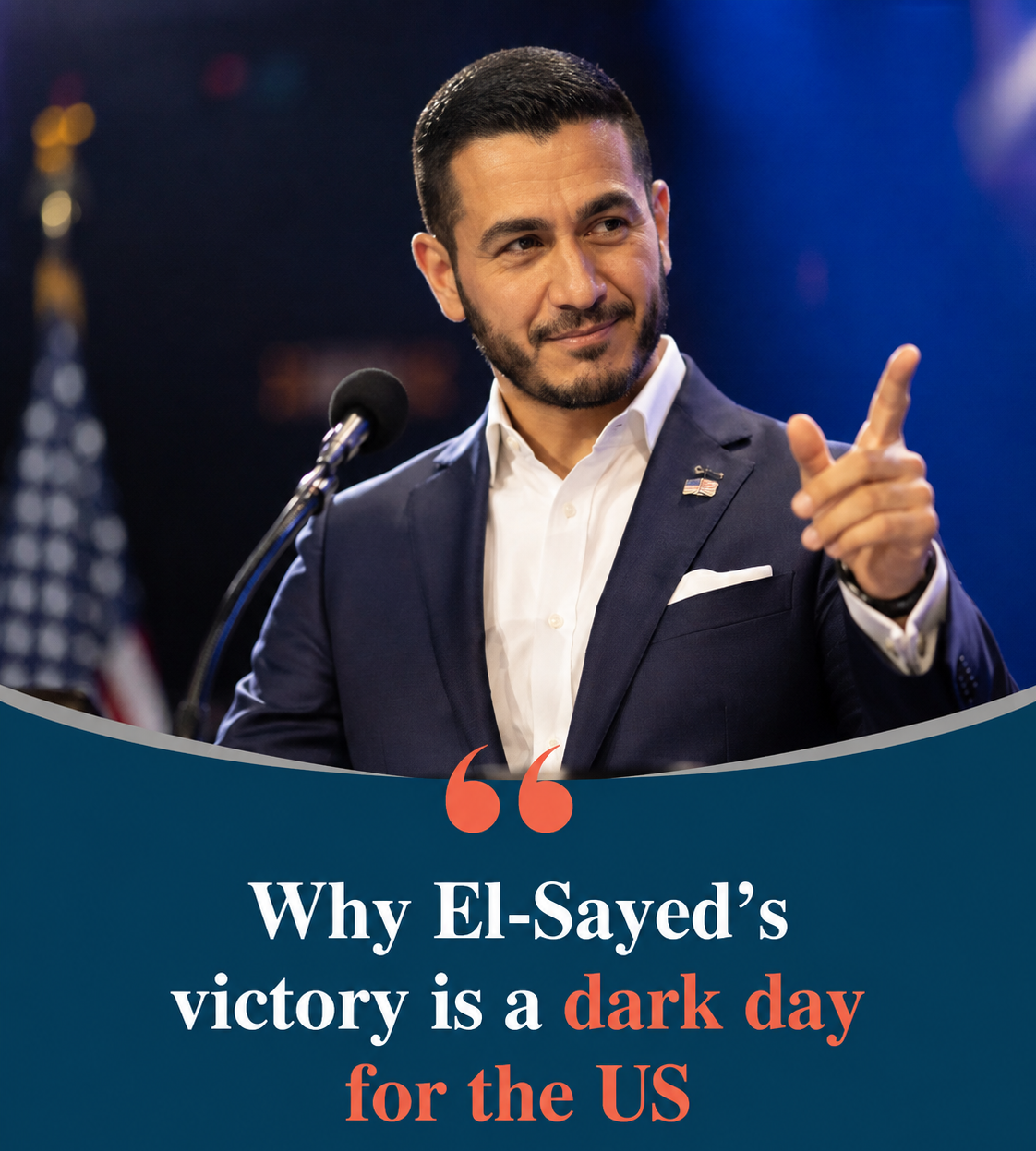
El-Sayed narrowly defeated Democratic rival and Congresswoman Haley Stevens after one of the most expensive Senate primary contests in American history. Preliminary results showed El-Sayed receiving just under half of the vote, edging Stevens by around one percentage point after a fiercely contested campaign marked by enormous outside spending and deep ideological divisions within the Democratic Party.
The victory means El-Sayed will now face Republican nominee Mike Rogers, a former congressman who unsuccessfully sought a Senate seat in 2024. The general election is expected to become one of the nation’s most closely watched races as Democrats attempt to regain a Senate majority while Republicans fight to maintain control.
Michigan has long been regarded as one of America’s premier battleground states, frequently deciding presidential elections while also serving as a key contest in races for Congress. With retiring Democratic Senator Gary Peters leaving an open seat, both parties have identified Michigan as one of their top priorities for November.
El-Sayed’s campaign centred heavily on progressive economic policies, including expanding access to healthcare, reducing the influence of corporate money in politics and lowering living costs for working families. Throughout the primary campaign he argued that Democrats needed to offer voters a more ambitious economic agenda rather than simply positioning themselves in opposition to Republicans.
The former physician and public health official is no stranger to statewide politics. He first attracted national attention during his 2018 campaign for Michigan governor, where he earned endorsements from prominent progressive figures including Senator Bernie Sanders before ultimately losing the Democratic primary. Since then, El-Sayed has remained active in progressive political organising while serving in senior public health roles.
This year’s Senate campaign became a test of competing visions for the Democratic Party.
Stevens was backed by many establishment Democrats and benefited from tens of millions of dollars in outside spending from groups supporting her candidacy. El-Sayed, meanwhile, relied heavily on grassroots fundraising and endorsements from progressive organisations, presenting himself as an outsider challenging the party establishment.
Political analysts have described the result as one of the clearest signs yet that the Democratic Party’s progressive wing continues to gain influence, even in politically competitive swing states where moderate candidates have often been viewed as more electable.
The outcome also represents a symbolic milestone.
If elected in November, El-Sayed would become the first Muslim elected to the United States Senate, a historic achievement that has generated significant attention both within Michigan and nationally. Community leaders have described his nomination as reflecting years of grassroots political engagement among increasingly diverse voter coalitions across the state.
Despite the bruising primary campaign, senior Democratic leaders have quickly moved to unite behind El-Sayed ahead of the general election.
Party figures who had previously supported Stevens have publicly endorsed the nominee, arguing that defeating Republican candidate Mike Rogers has become the overriding priority as Democrats seek to reclaim Senate control.
Republicans, however, have already begun framing El-Sayed as representing the Democratic Party’s left wing. Rogers and other Republican strategists argue that El-Sayed’s policy platform is out of step with moderate Michigan voters, signalling that ideological differences are likely to dominate the general election campaign.
Healthcare is expected to remain one of the defining issues.
El-Sayed has long advocated for universal healthcare reforms and has argued that reducing healthcare costs should become a national priority. He has also campaigned on tackling corporate influence in politics, strengthening workers’ rights and addressing affordability pressures facing American households.
The Michigan race is drawing national attention not only because of its importance for Senate control but also because it may provide an early indication of the Democratic Party’s future direction.
Progressive candidates have recently recorded several notable victories in Democratic primaries around the country, prompting renewed debate over whether the party should continue moving left on economic and social issues or pursue a more centrist strategy in competitive states.
Michigan’s political landscape makes that debate especially significant.
The state has repeatedly swung between Democratic and Republican presidential candidates over the past decade, while statewide elections are often decided by narrow margins. Success in November is therefore expected to depend not only on energising each party’s political base but also on persuading independent and suburban voters.
Campaign finance also became a major talking point throughout the primary.
The race attracted record-breaking outside expenditure, making it one of the costliest Senate primaries ever held in the United States. El-Sayed frequently criticised the scale of independent political spending, arguing that grassroots campaigns should not be overwhelmed by wealthy interest groups.
Supporters say his victory demonstrates that well-organised grassroots campaigns can still overcome enormous financial disadvantages when they succeed in mobilising volunteers and voter enthusiasm.
Critics, meanwhile, argue that the primary reflected growing ideological polarisation inside the Democratic Party, warning that a more progressive nominee could face greater challenges in attracting moderate voters during the statewide election.
Both campaigns are now expected to pivot quickly towards November.
Rogers is likely to focus on public safety, border security, inflation and national security, while El-Sayed is expected to continue emphasising healthcare affordability, economic fairness and campaign finance reform as central themes of his statewide campaign.
With control of the Senate potentially hinging on only a handful of closely contested races nationwide, the Michigan contest is expected to attract intense national attention, heavy campaign spending and visits from leading political figures in both parties throughout the coming months.
For Democrats, El-Sayed’s victory represents more than simply winning a primary. It has become a test of whether a progressive message can prevail in one of America’s most competitive battleground states and whether that approach can help shape the balance of power in Washington after November’s election.