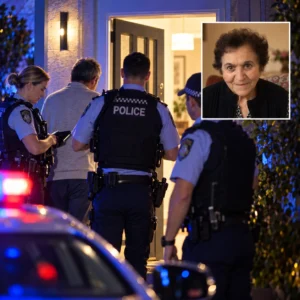
Queensland Police are trying to account for the final four days of Payge Faye Leembruggen’s life after the 31-year-old mother was found dead in sand dunes near Mackay Harbour’s North Wall Beach.
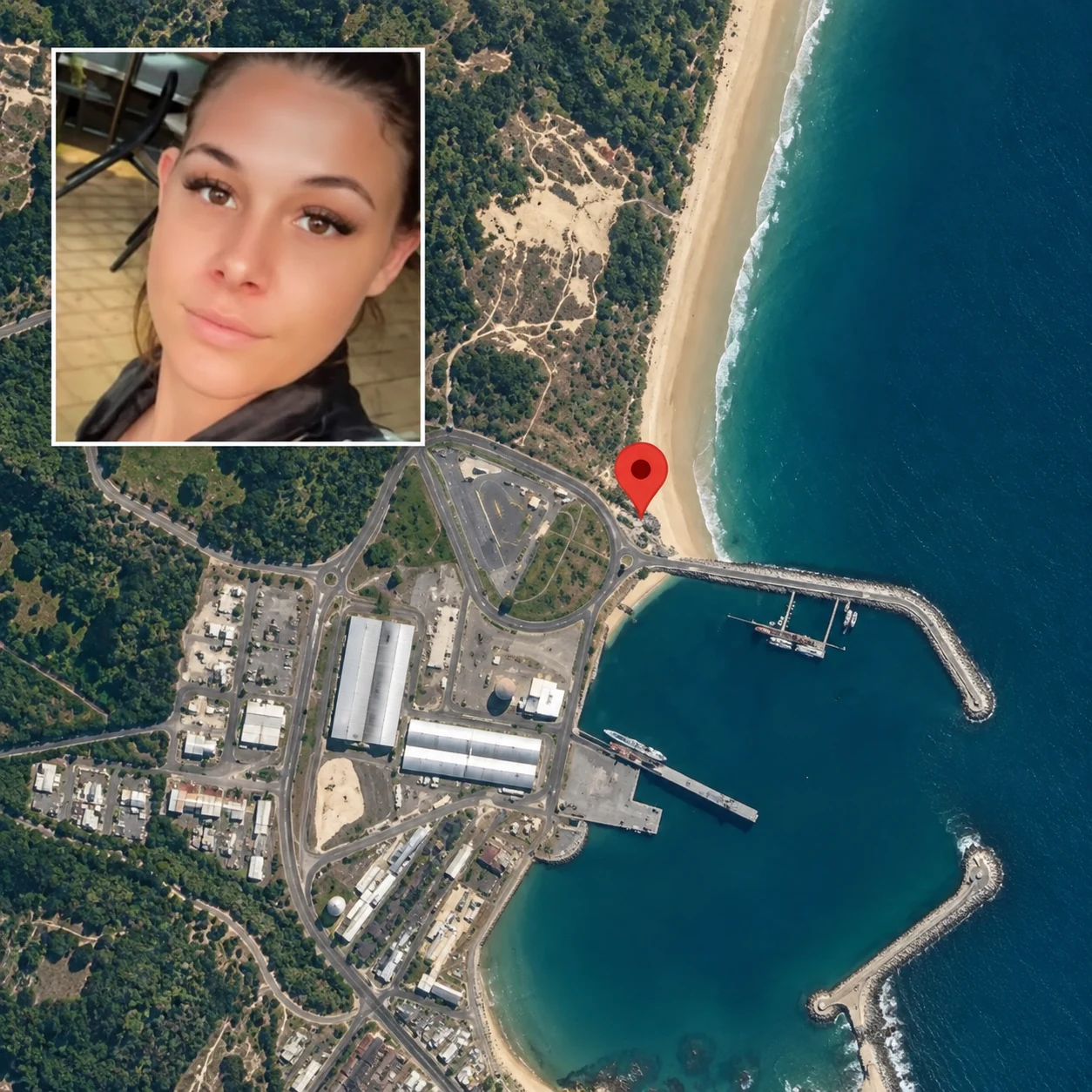
Ms Leembruggen was last seen alive on Friday, 11 September, when she left a hair salon in Andergrove at about 8.55am. A man walking his dogs found her body shortly after 8am on Tuesday, 15 September, in a remote section of the beach area.
Detective Inspector Emma Novosel said the death was unexplained and would be treated as suspicious until police could establish otherwise. Investigators have declared a crime scene and are working to reconstruct Ms Leembruggen’s movements between the time she left the salon and the discovery of her body four days later.
Police have stressed that describing a death as suspicious does not mean they have concluded that another person was responsible. It is a precautionary investigative approach used when the circumstances are unclear and important questions remain unanswered.
An autopsy is expected to assist detectives in determining the cause and approximate time of death. Police are also examining whether Ms Leembruggen died where she was found or whether her body may have been moved to the dunes.
The location itself has complicated the investigation. The North Wall area includes beach, dunes and less accessible terrain, meaning officers and State Emergency Service personnel have had to search a broad area for items, tracks or other evidence that might help explain what happened.
Ms Leembruggen lived at Mount Jukes with family and had a five-year-old son. Police said her family had been devastated by her death and was receiving support.
One of the most important features of the case is that Ms Leembruggen had not been reported missing before her body was discovered. That means detectives did not have a missing-person investigation under way during the four days after she was last seen, and there was no active public appeal tracking her movements in real time.
Police are now effectively working backwards. They have a confirmed last sighting at the salon and a confirmed discovery point at North Wall Beach, but they need information about what happened in between.
Investigators have released details of the clothing Ms Leembruggen was wearing when she was last seen in the hope that members of the public may remember seeing her. She was described as wearing red yoga pants with dark markings, a white shirt tied at the front, a red hair accessory and white shoes.
Detectives are asking anyone who saw Ms Leembruggen between 11 and 15 September, or who has relevant dashcam, CCTV or other footage, to contact police. Even information that appears routine could help establish whether she travelled by car, walked through a particular area or met someone during the period police are trying to reconstruct.
The four-day gap is central because small details can become important when investigators are building a timeline. A sighting at a service station, a vehicle captured on a residential camera, a phone call, a purchase or an image from a passing car may help narrow the period in which Ms Leembruggen reached the North Wall area.
Police have not publicly identified a suspect, announced an arrest or alleged that a particular person was involved in her death. They have also not released an official cause of death. Until forensic results and witness evidence provide clearer answers, those points remain unresolved.
That makes restraint especially important in reporting the case. Unexplained deaths often generate speculation online, but unsupported claims can mislead the public, distress families and complicate police efforts to obtain reliable information from witnesses.
Detectives are instead concentrating on verifiable movements and forensic evidence. The crime scene examination can include searches for personal items, signs of disturbance and anything that may indicate how long the body was in the location. The autopsy can provide information about injuries, medical factors and timing, although some findings may not be released publicly while the investigation is active.
The discovery was made in a part of Mackay Harbour used by walkers and other members of the public but containing stretches that can be difficult to access. Police initially restricted access while officers searched the area, before the beach was reopened.
The fact that a dog walker found Ms Leembruggen rather than police or family also helps explain why the inquiry began as an unexplained-death investigation rather than a search for a missing person. By the time authorities were notified, the focus had immediately shifted to identifying her, preserving the scene and establishing the circumstances of her death.
Investigators will also be interested in digital evidence, although police have not publicly detailed what devices or records are available. In modern missing-person and death inquiries, phone records, location data, messaging history and social media activity can help confirm or challenge reported movements, subject to the legal processes required to obtain them.
Witness evidence remains just as important. A person may remember seeing Ms Leembruggen without having known who she was at the time. The distinctive red clothing described by police may help trigger those memories.
Police have asked people not to assume that information is too minor to report. A brief sighting can become significant when compared with other evidence and can help detectives test possible routes between Andergrove, Mount Jukes and the Mackay Harbour area.
For Ms Leembruggen’s family, the uncertainty is likely to be one of the hardest parts of the investigation. Police know where she was on the morning of 11 September and where she was found on 15 September, but have not yet publicly explained the events linking those points.
Detective Inspector Novosel said investigators were keeping an open mind. That is a standard but important position at this stage: police must consider criminal, accidental, medical and other possibilities until evidence allows them to rule possibilities in or out.
The investigation will therefore be shaped by the autopsy, scene examination, witness statements and any electronic or video material obtained in the coming days. Police may issue further appeals if they identify particular locations, vehicles or periods of time where public assistance is needed.
There is no indication that police believe there is an ongoing threat to people using North Wall Beach, and authorities have said the area has reopened. The continuing crime-scene work is focused on determining what happened to Ms Leembruggen, rather than warning of a broader danger to the public.
Anyone with information about Ms Leembruggen’s movements from Friday, 11 September, through to Tuesday, 15 September, is being urged to contact Queensland Police or Crime Stoppers. Police are particularly interested in people who were in the Andergrove, Mackay Harbour or North Wall areas and may have seen her or captured relevant footage.
Until that four-day period is filled in, the case remains defined by unanswered questions: where Ms Leembruggen went after leaving the salon, when she reached the beach area, how she died and whether anyone else was involved.
For detectives, each verified sighting can reduce that uncertainty. For her family, the priority is a clear explanation of what happened in the days before she was found.
Police timelines in cases like this are built cautiously because the order of events matters as much as the individual pieces of evidence. A witness who saw Ms Leembruggen on Saturday, for example, would immediately narrow the period in which something may have happened. A confirmed sighting on Monday would narrow it further. Conversely, a report that cannot be independently supported may be recorded but treated with caution until it can be checked against other material.
The same applies to footage. Investigators may need to identify businesses, homes and road users with cameras that captured only a few seconds of a street or intersection. The value of that footage is often not obvious to the person who owns it. A vehicle moving through the background or a pedestrian matching Ms Leembruggen’s description may become important when compared with phone data or other sightings.
Queensland Police have not indicated whether Ms Leembruggen had access to a vehicle or whether they believe she travelled to North Wall Beach alone. Those are among the details that could become clearer as the timeline develops. Investigators are unlikely to release every piece of evidence while they are still testing accounts and speaking to potential witnesses.
Authorities will also be conscious of the need to preserve the integrity of any future court process if the investigation does lead to charges. That is another reason police often release only information needed to generate public assistance, rather than publicly discussing every theory under consideration.
For now, the most useful public contribution is factual. People who remember seeing Ms Leembruggen, who were travelling in relevant areas, or who retain footage from the four-day period can provide information without trying to interpret what it means. Detectives can then compare those details with the wider evidence.
As the inquiry continues, police are expected to provide further information when forensic results or verified sightings materially change the picture.