Australia has unveiled a new education partnership with the Philippines aimed at improving teaching quality, expanding workforce skills and strengthening one of the region’s longest-standing bilateral education relationships.
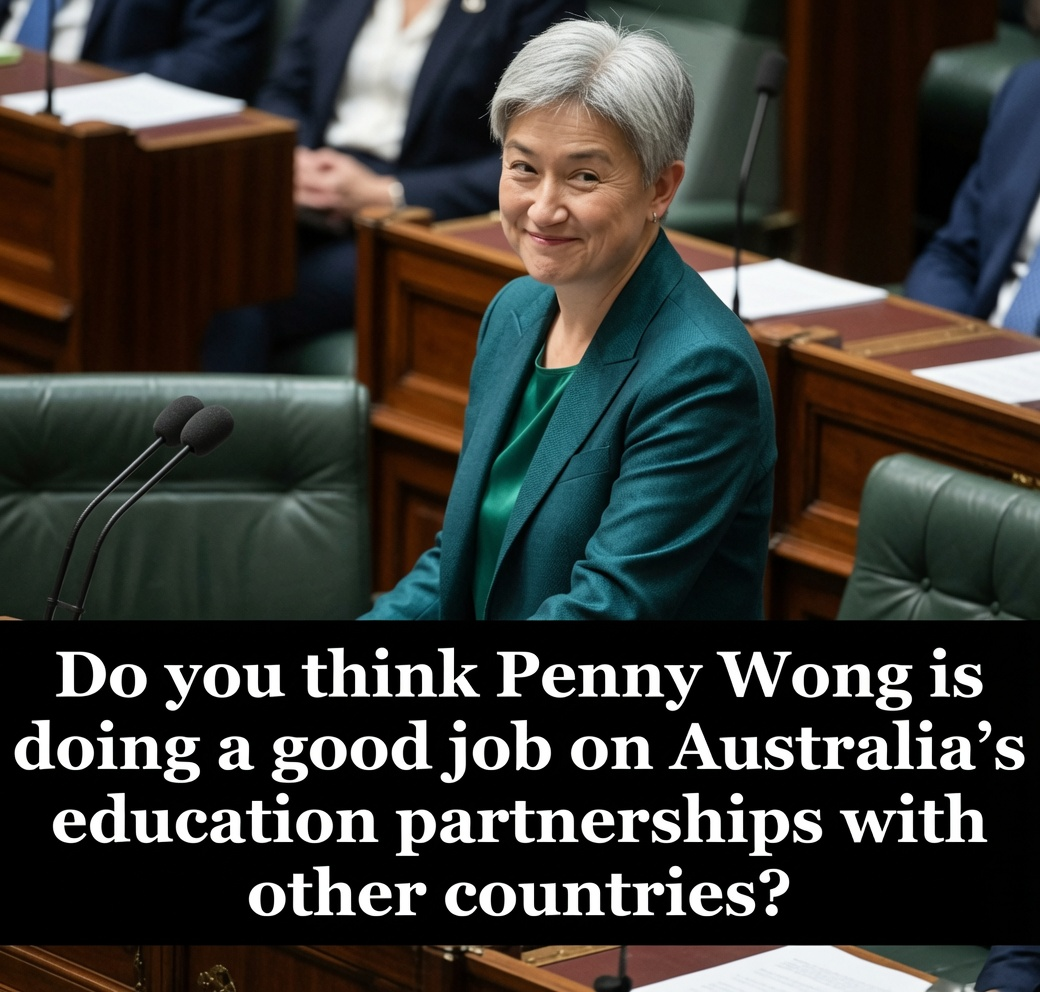
Foreign Minister Penny Wong announced the launch of the Education Quality for Inclusive Prosperity (EQUIP) program during a visit to the Philippines, describing the initiative as a significant investment in young people and the future relationship between the two countries.
“One of the best parts of my job is meeting young people and hearing about their hopes for the future,” Senator Wong said while outlining the new partnership.
The EQUIP program is designed to support improvements in teaching quality, strengthen education systems and help equip students with the knowledge and skills needed to succeed in a rapidly changing global economy.
According to the Australian Government, the initiative builds on more than 30 years of education cooperation between Australia and the Philippines and reflects both countries’ shared view that education plays a central role in economic opportunity, social mobility and long-term prosperity.
Senator Wong said education remained one of the strongest foundations of the Australia–Philippines relationship.
“Australia has partnered with the Philippines on education for more than three decades, and this new program reflects our shared belief that education creates opportunities and empowers the next generation,” she said.
The announcement comes as Australia continues to deepen its engagement across Southeast Asia through a combination of education, trade, defence and development initiatives.
Successive Australian governments have identified education as one of the most effective forms of long-term regional cooperation because it strengthens institutional links while developing future leaders and skilled workforces.
EQUIP is expected to support improvements in classroom teaching practices, strengthen education leadership and contribute to curriculum development, while helping schools prepare students for industries increasingly shaped by digital technology, artificial intelligence and the transition to cleaner energy.
Although full implementation details are expected to be released progressively, the program is intended to improve educational outcomes while supporting broader economic development goals shared by both governments.
The Philippines has one of Southeast Asia’s youngest populations, making investment in education and workforce development a strategic priority for both Manila and Canberra.
Australia has supported Philippine education reforms for decades through teacher training, curriculum development, scholarships, technical assistance and school infrastructure projects.
Australian development assistance has contributed to initiatives designed to improve literacy, numeracy, teacher capability and access to quality education, particularly in disadvantaged communities.
The new partnership also reflects Australia’s broader Southeast Asia Economic Strategy, which identifies education and skills development as important pillars for expanding regional economic integration and creating new opportunities for Australian institutions.
Beyond schools, Senator Wong highlighted the growing contribution of her home state of South Australia in strengthening education links with the Philippines.
She noted that South Australian education and training providers are building partnerships with Philippine institutions to expand vocational education, technical training and workforce development.
These collaborations focus on developing practical skills that match evolving labour market needs in both countries, particularly in industries facing growing demand for qualified workers.
Vocational education and training (VET) has become an increasingly important area of bilateral cooperation as employers across the Indo-Pacific seek workers with modern technical skills that can adapt to changing technologies and industry practices.
South Australia’s internationally recognised vocational education system has developed partnerships in areas including advanced manufacturing, agriculture, health care, engineering, hospitality and clean energy industries.
Such programs are designed not only to improve employment outcomes for graduates but also to strengthen productivity and economic resilience across participating sectors.
Education cooperation has become one of the most enduring elements of Australia–Philippines relations.
Thousands of Filipino students have studied in Australia over several decades, while Australian universities and vocational providers continue to maintain partnerships with Philippine education institutions.
Australia Awards scholarships, research collaboration and university exchange programs have also contributed to strong people-to-people links between the two nations.
These educational exchanges have often produced broader diplomatic and commercial benefits by creating long-term professional networks spanning government, business, academia and civil society.
Many graduates of Australian institutions have gone on to occupy leadership positions within the Philippines, helping strengthen bilateral cooperation across multiple sectors.
The launch of EQUIP comes at a time when Australia and the Philippines are expanding cooperation well beyond education.
In recent years the two countries have strengthened defence cooperation, increased maritime security collaboration and expanded economic engagement as both governments seek to reinforce stability throughout the Indo-Pacific region.
Shared strategic interests, including support for an open and rules-based international order, have drawn Canberra and Manila into closer cooperation on regional security as well as development initiatives.
While security issues often dominate headlines, Senator Wong’s announcement emphasised that education remains equally important in shaping the long-term relationship between the two countries.
She argued that investing in young people ultimately strengthens communities, creates new economic opportunities and builds lasting friendships between nations.
“Together, we are investing in young people and strengthening the enduring friendship between Australia and the Philippines,” she said.
Education experts generally regard international partnerships such as EQUIP as increasingly valuable because they allow countries to share teaching expertise, improve curriculum design and respond collectively to challenges created by rapid technological change.
Schools and universities throughout the Indo-Pacific are facing growing pressure to prepare students for careers that may require continual retraining throughout working life.
Digital transformation, automation and artificial intelligence are reshaping labour markets, making adaptable skills and lifelong learning central priorities for education systems worldwide.
Programs like EQUIP aim to help ensure teachers, education leaders and students are better prepared for these long-term changes while promoting inclusive access to quality education.
For Australia, such partnerships also strengthen regional influence through what policymakers often describe as “people-to-people connections”—relationships built through education, professional exchange and shared learning rather than diplomacy alone.
As Australia and the Philippines continue to deepen cooperation across multiple sectors, the launch of the EQUIP initiative signals that education will remain a cornerstone of the bilateral relationship, supporting future generations while reinforcing broader economic and strategic ties throughout the Indo-Pacific.