One Nation leader Pauline Hanson has confirmed that party funds were used to pay for her stay at a luxury London hotel during her recent European trip, while strongly rejecting claims that money raised through the party’s high-profile “Fire the Liar” fundraising campaign was used to cover the costs.
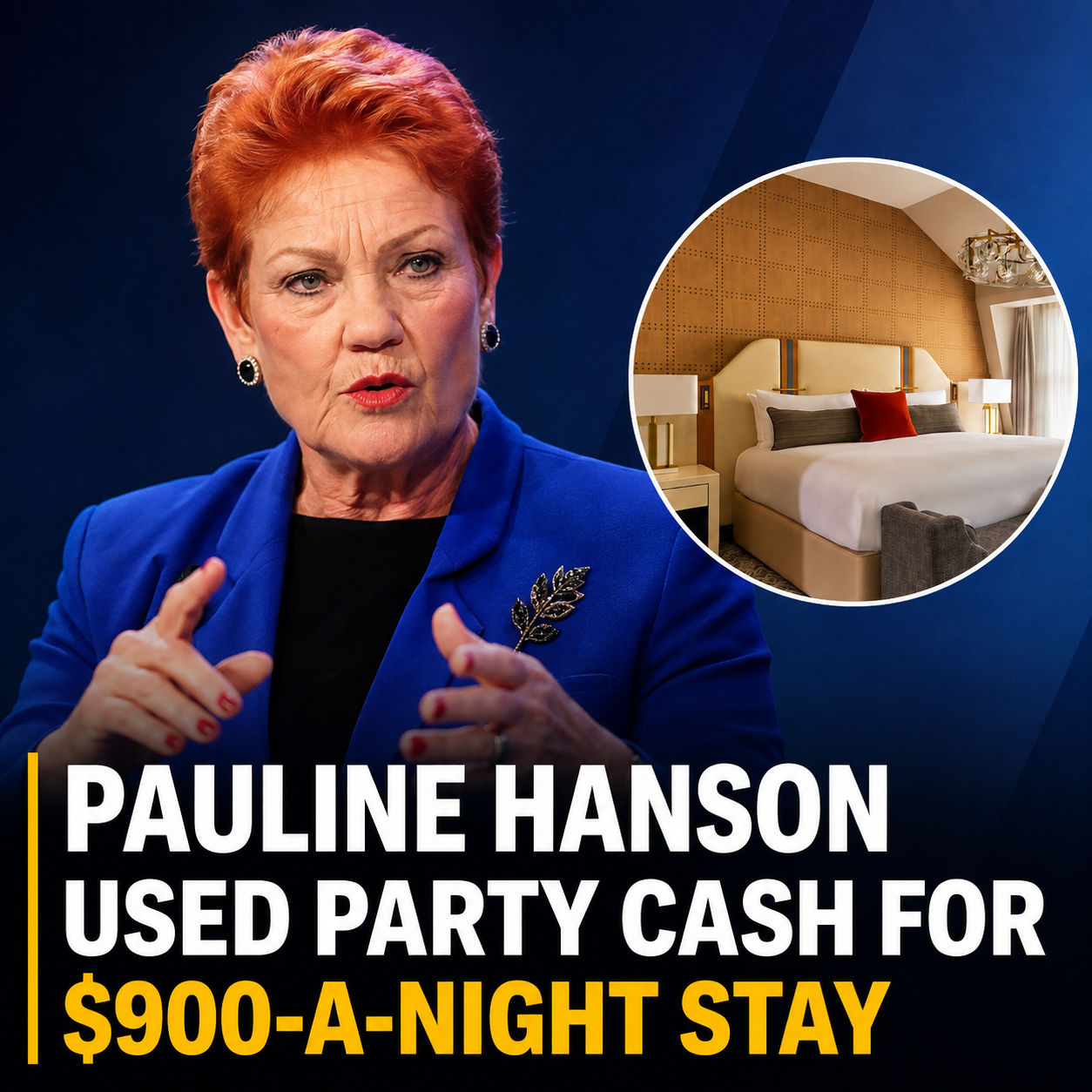
The clarification comes after fresh scrutiny over who financed Senator Hanson’s overseas travel, particularly her accommodation at the five-star Conrad London St James hotel, where rooms reportedly cost around A$900 per night.
For several weeks, questions had surrounded the funding arrangements after Hanson updated the parliamentary register of interests stating that her accommodation had been privately funded without identifying the source. She repeatedly maintained that Australian taxpayers had not contributed to the trip.
On Friday, One Nation confirmed that the accommodation was paid for using party funds. However, the party insisted that the money did not come directly from its highly successful “Fire the Liar” fundraising campaign, which raised millions of dollars from supporters.
Instead, One Nation said the hotel expenses were paid using investment income generated from party assets rather than from donations specifically collected through the campaign.
The distinction has become central to the political controversy.
The “Fire the Liar” campaign was launched as a grassroots fundraising drive targeting the Albanese Government and encouraging supporters to contribute towards future political campaigning. According to party representatives, those donations have been quarantined for election activities and remain separate from the funds used to finance Senator Hanson’s European travel.
One Nation has argued that reports suggesting campaign donations financed luxury accommodation created a misleading impression about how party finances were managed.
The dispute intensified after reports claimed rooms at the London hotel had remained vacant while Hanson travelled to Italy with mining billionaire Gina Rinehart.
Those reports suggested the party continued paying for unused accommodation during the Italian leg of the journey.
One Nation has firmly rejected that account.
The party says booking records and Expedia invoices demonstrate that the accommodation schedule was altered and that the hotel booking was not left running throughout the Italian trip.
According to the party, extra nights were booked only to accommodate flight arrival and departure times because early check-in was unavailable when the delegation arrived in London, while the final night became unnecessary after Hanson and adviser James Ashby returned to Australia earlier than originally planned.
One Nation has also directed criticism towards Channel Seven’s current affairs program Spotlight, alleging that the broadcaster originally intended to finance travel associated with a planned television production before withdrawing support.
Party officials described the program as having been “shady from day one” and accused it of contributing to leaks surrounding the European trip.
Those allegations have not been independently verified.
News organisations reporting the dispute have noted that One Nation has blamed Spotlight for the emergence of internal travel information but have not confirmed the source of the leaks.
The controversy extends beyond hotel bills.
Hanson has already disclosed that mining billionaire Gina Rinehart paid for flights between London, Rome and Sicily and provided access to events during the European itinerary, including attendance at a Dolce & Gabbana fashion show.
The One Nation leader has repeatedly emphasised that these arrangements were properly declared through parliamentary disclosure requirements and that taxpayers did not finance those components of the journey.
The issue has nevertheless generated criticism from political opponents.
Some have questioned whether supporters who donated to One Nation expected party resources to be used for luxury overseas accommodation while Australia faces ongoing cost-of-living pressures.
Shadow Liberal figures have argued that such spending risks undermining the party’s anti-establishment message, particularly when many of its supporters contribute relatively small amounts to campaign fundraising.
One Nation rejects that criticism, maintaining that the European trip formed part of legitimate political and media activities.
Party representatives argue the visit included meetings, interviews and events relevant to the party’s international political relationships and therefore represented an appropriate use of party resources.
The debate also arrives during a period of increased political attention on One Nation.
Recent opinion polling has shown the party attracting growing support in several jurisdictions, while both major parties have increasingly responded to issues long championed by One Nation, particularly migration and border policy.
Party officials have portrayed the scrutiny over Hanson’s travel as politically motivated and disproportionate compared with the treatment of other political figures.
Senator Sean Bell has publicly defended the expenditure, telling media that overseas travel undertaken by the party is intended to deliver value and insisting that money donated through the “Fire the Liar” campaign remains reserved for its intended political purpose.
The funding clarification may answer one of the biggest questions surrounding the trip, but it is unlikely to end broader political debate over how parties spend internally controlled funds.
Unlike taxpayer-funded parliamentary expenses, political parties generally retain discretion over how they use money generated through fundraising, investments and other lawful income, provided they comply with Australia’s electoral disclosure requirements.
That distinction has become central to One Nation’s defence.
The party says critics have blurred the line between taxpayer-funded travel, campaign donations and general party finances, arguing that only the latter category funded the London accommodation.
Whether that explanation satisfies political opponents remains to be seen, but the episode has become another highly visible chapter in the continuing scrutiny surrounding Pauline Hanson, her relationship with Gina Rinehart, and One Nation’s increasingly prominent role in Australian politics.