One Nation leader Pauline Hanson has intensified her campaign for sweeping changes to Australia’s immigration system, arguing the country no longer needs to import large numbers of low-skilled workers while Australians continue to face mounting housing pressures and rising living costs.
The renewed push comes after Home Affairs Minister Tony Burke postponed a highly anticipated speech that was expected to outline Labor’s planned overhaul of Australia’s migration settings.
Speaking to News24, Senator Hanson claimed the decision to delay the address reflected growing political pressure inside the Albanese Government rather than administrative necessity.
She argued Mr Burke had backed away from unveiling the reforms because of resistance from trade unions, progressive members of the Labor Party and the Greens, all of whom she believes oppose tougher migration policies.
Hanson went further, suggesting Labor and the Coalition have become increasingly concerned by One Nation’s growing influence over the national immigration debate.
“I’m living rent free in Tony Burke’s head,” she said, agreeing with the suggestion that the government was responding to One Nation’s increasing popularity on migration issues.
The Home Affairs Minister has said the speech was postponed because work on the policy package was not yet complete, while reports indicate Cabinet has continued discussing measures aimed at reducing net overseas migration and tightening several visa pathways.
Immigration has rapidly emerged as one of Australia’s defining political issues as concerns about housing affordability, rental shortages and pressure on infrastructure continue to dominate public debate.
Hanson has sought to position One Nation at the centre of that discussion by proposing one of the most restrictive migration platforms put forward by a federal parliamentary party.
Among the party’s flagship proposals are large-scale deportations of people living illegally in Australia, significant reductions in permanent migration, stronger border enforcement and tighter controls over temporary visa programs.
One Nation has also argued for reducing the overall permanent migration intake to around 130,000 people each year, with annual reviews based on Australia’s economic conditions and housing capacity.
Defending the proposal, Hanson dismissed concerns that lower migration would worsen labour shortages across key industries.
She argued Australia should focus on attracting genuinely high-skilled migrants rather than continuing to expand migration in sectors she believes provide little long-term economic benefit.
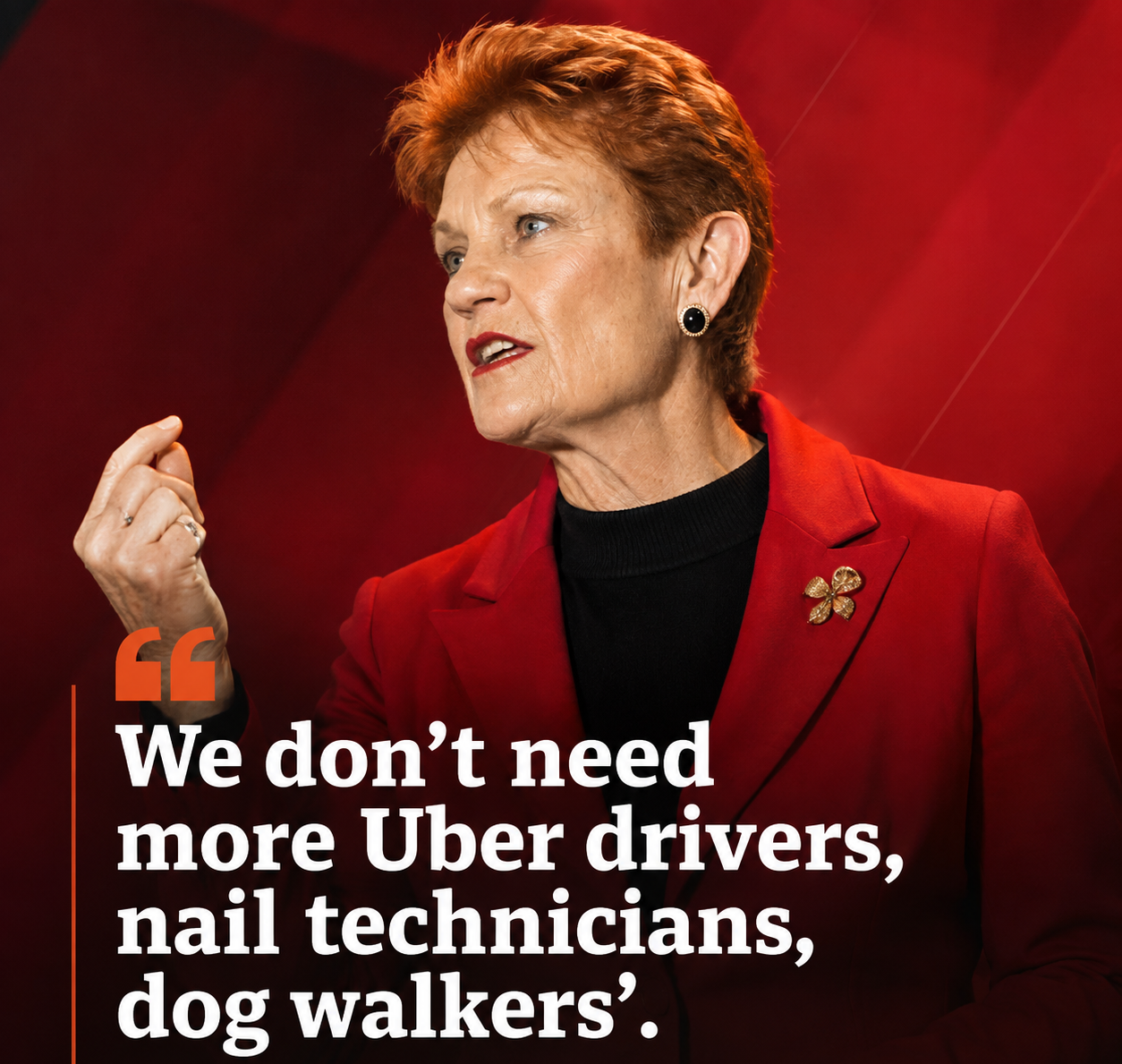
“We don’t need more Uber drivers, nail technicians or dog walkers,” Hanson said, arguing Australia’s immigration program should prioritise workers who fill critical shortages instead of increasing competition in lower-skilled occupations.
Hanson also criticised policies allowing some international students to bring family members to Australia, saying migration settings should place greater emphasis on relieving pressure on housing, hospitals and other public services.
Her comments come as both major political parties face increasing pressure to demonstrate they can address Australia’s housing crisis.
Opposition Leader Angus Taylor has also linked migration levels to housing supply, warning Australia could continue experiencing housing shortages until at least 2033 unless new home construction accelerates.
Taylor has argued migration targets should better reflect the nation’s ability to build sufficient housing, although the Coalition has not adopted One Nation’s proposed migration cap.
The Albanese Government has already forecast a significant decline in net overseas migration compared with the record highs experienced immediately after the COVID-19 pandemic.
Labor has maintained that permanent migration levels remain necessary to support economic growth while introducing measures designed to reduce temporary migration, strengthen visa integrity and discourage misuse of Australia’s immigration system.
Reports indicate the government’s planned reforms could include tighter family visa rules, changes affecting working holiday makers and new restrictions on some visa appeal rights.
However, business groups have warned against broad reductions in skilled migration.
The Minerals Council of Australia, the Australian Chamber of Commerce and Industry and other industry representatives argue Australia’s mining, construction, manufacturing and energy sectors continue to depend heavily on overseas workers with specialised skills.
They have urged the government to consult closely with employers before introducing major changes, warning that excessive restrictions could delay major projects and worsen existing workforce shortages.
Hanson rejected those concerns, insisting Australia’s immigration system should primarily serve Australians rather than businesses seeking access to overseas labour.
She said the country’s housing affordability crisis, infrastructure constraints and cost-of-living pressures justified a much tougher approach than either Labor or the Coalition currently supports.
The migration debate has become increasingly politically sensitive following opinion polls showing growing support for One Nation, particularly among voters frustrated by housing affordability and economic pressures.
Political analysts say both major parties have sharpened their language on migration over recent months as they attempt to respond to changing public sentiment while balancing the needs of employers and Australia’s long-term economic growth.
Although Hanson argues both Labor and the Coalition are now moving closer to One Nation’s position, significant policy differences remain.
Labor continues to support a permanent migration program of about 185,000 places annually while seeking to reduce net overseas migration largely through tighter temporary visa settings and stronger compliance measures rather than sweeping numerical cuts.
The Coalition has likewise advocated stronger links between migration and housing supply but has not endorsed One Nation’s proposal for mass deportations or a permanent migration intake as low as 130,000.
As Parliament prepares for further debate on immigration reform, the issue is likely to remain one of Australia’s most closely watched political battlegrounds, with questions over housing, workforce shortages, economic growth and border security expected to dominate discussion in the months ahead.






