One Nation leader Pauline Hanson has wrapped up a high-profile visit to Europe with a speech at the Conservative Political Action Conference (CPAC) GB in London, where she reiterated her views on immigration, criticised transgender policies and defended herself against accusations that she supports reviving Australia’s former White Australia policy.
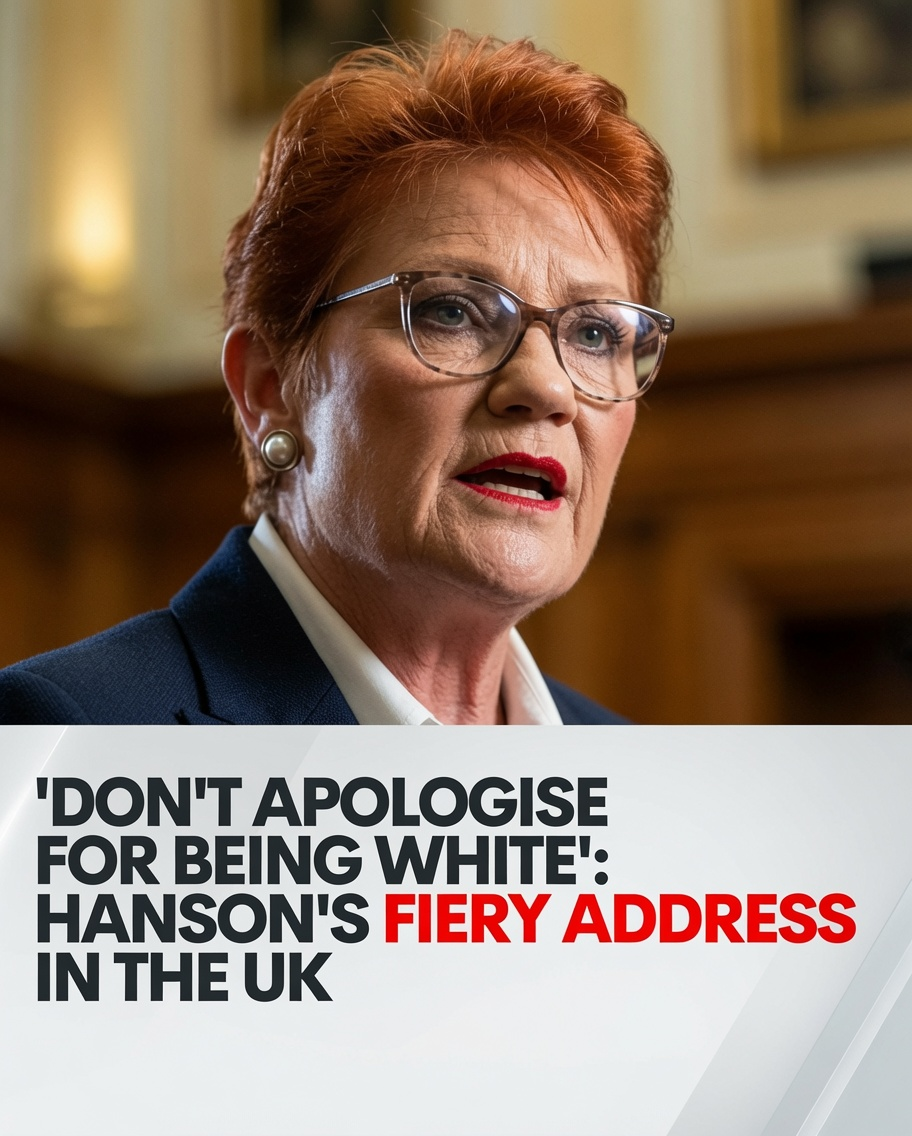
Addressing a relatively small audience at the conference, Hanson told attendees they should not apologise for being white and criticised what she described as the growing influence of identity politics.
“Do not apologise for being white. I’m sick of hearing about white privilege,” the One Nation senator said during her speech.
She also argued that Australia had been “flooded” with migrants and claimed the country had become “completely woke” over issues relating to transgender rights.
The appearance marked the final major event of Hanson’s European tour, which also included a podcast interview with British anti-immigration activist Tommy Robinson and an appearance alongside mining billionaire Gina Rinehart at a Dolce & Gabbana fashion event in Italy.
Speaking to the conference, Hanson said she had received criticism in Australia for agreeing to appear on Robinson’s podcast.
“I’m getting feedback from Australia, from the media, saying how dare I associate with Tommy Robinson? How dare I speak to him?” she told the audience.
The trip has attracted significant political attention after comments Hanson made during the interview with Robinson, whose real name is Stephen Christopher Yaxley-Lennon, reignited debate about Australia’s immigration history.
During that interview, Robinson asked Hanson how Australia had ended up with communities from countries including Pakistan and Somalia. Hanson responded by referring to the abolition of the White Australia policy in 1973, saying that was when Australia’s migration problems began. Her comments prompted criticism from government ministers and opposition figures, who argued they appeared to romanticise one of Australia’s most controversial historical policies.
The White Australia policy refers to a series of laws and administrative measures introduced after Federation in 1901 that restricted non-European immigration. The remaining discriminatory provisions were abolished by the Whitlam Government in 1973, paving the way for Australia’s modern multicultural immigration system.
Following widespread criticism, Hanson released a video rejecting claims that she wanted the policy reinstated.
“Never, ever have I advocated that and I don’t believe in that,” she said.
She maintained that her position was not based on race but on advocating lower immigration and stronger expectations that migrants integrate into Australian society.
“Yes, I’ve been strong on immigration. Bringing the right people into the country in a measured way and people who want to assimilate and be Australians,” Hanson said.
She also stated that she did not want migrants who wished to wear the burqa, a position she has expressed on previous occasions.
The comments have drawn criticism from across the political spectrum.
Home Affairs Minister Tony Burke described references to the White Australia policy as contrary to modern Australian values, saying multiculturalism has strengthened the nation and rejecting any suggestion that Australia should return to discriminatory immigration settings.
Deputy Liberal leader Jane Hume also distanced the Coalition from Hanson’s remarks.
Speaking to Sky News, Hume described Hanson’s comments about the White Australia policy as “unnecessary”, “divisive”, “inflammatory” and “totally un-Australian”.
Hume said Australians she had spoken with were focused on issues such as the cost of living, electricity prices, inflation, taxation and economic opportunity rather than debates about historical immigration policies.
“They’re not interested in the things Pauline Hanson is talking about,” she said.
Hanson’s appearance at CPAC GB placed her alongside several prominent conservative political figures, including Reform UK leader Nigel Farage, Nationals senator Bridget McKenzie and former British prime minister Liz Truss.
Although Hanson had earlier planned a separate meeting with Farage, changes to his political schedule meant the pair instead met briefly on the sidelines of the conference.
CPAC, originally established in the United States, has expanded internationally in recent years and regularly hosts conservative politicians, commentators and activists from several countries. Events often feature debate on immigration, free speech, economic policy and cultural issues, attracting both supporters and critics.
Tommy Robinson’s involvement in Hanson’s European visit has also remained controversial. Robinson has been convicted of multiple criminal offences in the United Kingdom and has become one of Britain’s most recognisable anti-immigration activists. Australian governments from both major parties have previously opposed granting him an Australian visa, citing concerns about social cohesion.
The debate surrounding Hanson’s comments comes at a time when immigration remains one of Australia’s most contested political issues. While both major parties continue to support multiculturalism, they have proposed different approaches to migration levels, border management and skilled migration as Australia responds to housing shortages, labour market needs and infrastructure pressures.
One Nation has consistently argued for lower migration numbers, tighter border controls and stronger integration requirements for new arrivals. Labor, by contrast, has maintained that multiculturalism is a defining strength of modern Australia while also seeking to reduce net overseas migration from recent post-pandemic highs through administrative reforms rather than changes based on ethnicity or religion.
The renewed controversy illustrates how references to the White Australia policy continue to carry significant political and historical weight more than five decades after its abolition. While Hanson insists she is advocating for stricter immigration controls rather than a return to racial exclusion, critics argue that invoking the policy inevitably revives memories of a period now widely regarded as incompatible with contemporary Australian values.
As political debate over immigration, social cohesion and national identity continues, Hanson’s European tour has ensured those issues remain firmly in the public spotlight, with reactions from supporters and opponents alike highlighting the enduring sensitivity of Australia’s migration history.






