One Nation leader Pauline Hanson has rejected speculation of growing tensions with federal MP Barnaby Joyce, insisting the pair “get on so well together” despite a week dominated by political controversy, international headlines and repeated questions about her conduct during a European tour.
Speaking from London, Senator Hanson dismissed reports that disagreements had emerged between herself and Joyce after he spent much of the past week responding to criticism surrounding her overseas activities and controversial public comments.
“Barnaby’s having the time of his life,” Hanson said, adding that suggestions of a personal or political rift were unfounded.
According to Hanson, the pair continue to enjoy a strong working relationship despite the intense media scrutiny surrounding One Nation’s European visit.
The speculation followed one of the most challenging weeks the party has faced since Joyce joined One Nation, with multiple controversies attracting criticism from across Australia’s political spectrum.
Much of the attention centred on Hanson’s appearance on a podcast hosted by British far-right activist Tommy Robinson during what she described as a “fact-finding” mission through Europe.
During the interview, Hanson revisited Australia’s former White Australia policy, criticised multiculturalism and expressed concerns about immigration and social cohesion. Her remarks prompted widespread condemnation from Labor figures and criticism from members of the Coalition, who argued the comments did not reflect modern Australia’s multicultural identity.
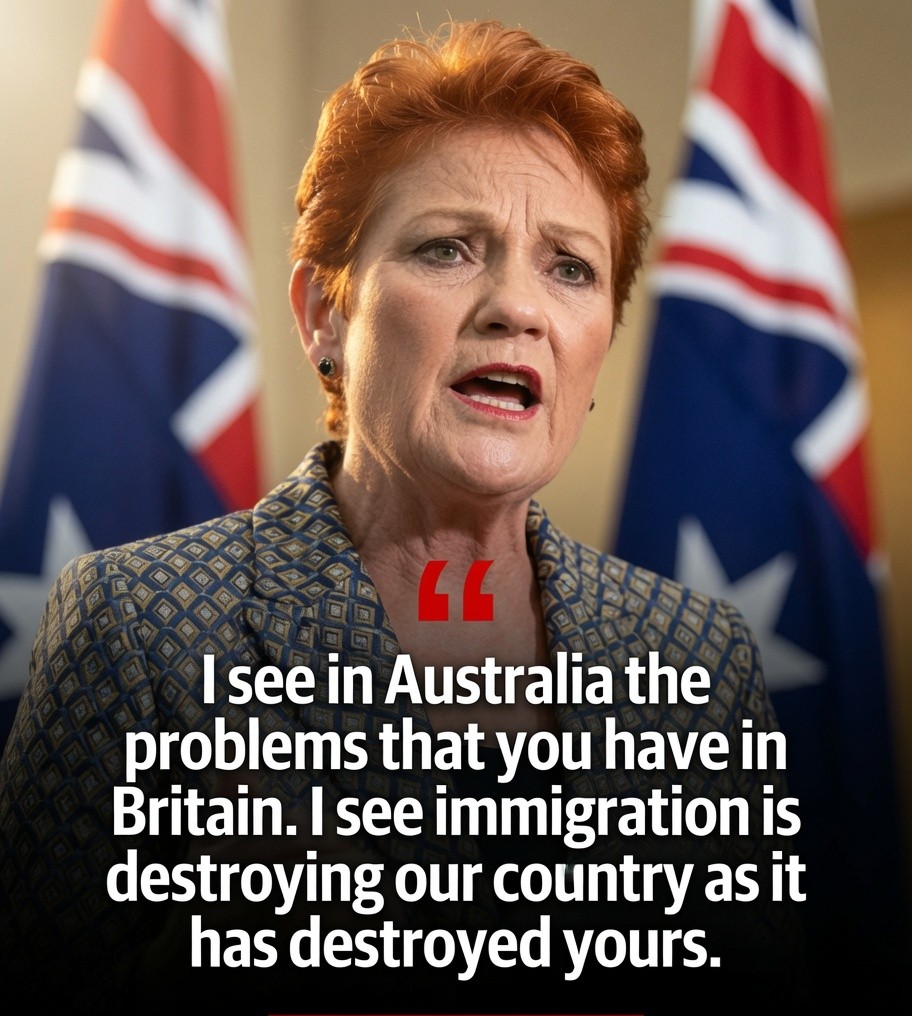
Further controversy arose after Hanson attended the inaugural Conservative Political Action Conference (CPAC) in London, where she delivered a speech warning that Australia risked following what she described as Britain’s immigration challenges.
She argued that excessive immigration and multicultural policies had fundamentally altered Western societies, while also criticising discussions surrounding “white privilege” and identity politics.
Her comments again generated strong political reactions back home, with government ministers accusing her of promoting division rather than constructive debate.
The overseas trip attracted additional attention when Hanson was photographed attending a luxury Dolce & Gabbana fashion event in Italy alongside Australia’s richest person, Gina Rinehart.
Opponents questioned whether such appearances aligned with Hanson’s longstanding image as a champion of ordinary Australians.
Hanson rejected criticism that taxpayers had funded the European travel, insisting public money had not been used to pay for the trip, although questions continued over aspects of the itinerary.
As Hanson faced mounting criticism, Barnaby Joyce repeatedly found himself responding to questions about his party leader’s comments.
Joyce defended Hanson’s right to travel and engage with international political figures but was noticeably more cautious when asked about specific statements she had made regarding Islam, multiculturalism and immigration.
On several occasions he emphasised that he did not necessarily share every opinion expressed by Hanson, while maintaining that One Nation remained committed to robust debate on immigration and national identity.
The political pressure intensified further after renewed scrutiny fell on One Nation Senator Malcolm Roberts.
Media reports revisited previous interviews Roberts had given to American conspiracy theorist Alex Jones and examined earlier public statements that had drawn criticism for referencing conspiracy theories with antisemitic origins.
Joyce again distanced himself from those past remarks, making clear they did not represent his own views while attempting to contain the political fallout.
Despite the succession of controversies, Hanson insisted there was no disagreement within the party leadership.
She praised Joyce’s ability to handle media attention and suggested the former deputy prime minister was enjoying his new role inside One Nation after joining the party late last year.
Hanson described Joyce as an experienced campaigner who understood how political controversies unfold and was well equipped to answer difficult questions from journalists.
The relationship between Hanson and Joyce has attracted significant attention since the former Nationals leader made the high-profile decision to join One Nation.
The move represented one of the most significant political defections in recent Australian politics, giving One Nation its first member in the House of Representatives and broadening the party’s appeal among conservative regional voters.
Joyce has since become one of the party’s most recognisable parliamentary figures, frequently appearing alongside Hanson on policy issues involving agriculture, energy, regional development and immigration.
The latest controversies have nevertheless highlighted the challenges facing the expanded party.
While Hanson remains One Nation’s dominant public figure, Joyce has increasingly been required to explain or contextualise comments made by other members of the party as One Nation attracts greater national attention.
Political analysts note that this balancing act is likely to remain part of Joyce’s role as the party seeks to broaden its electoral support while retaining its traditional voter base.
Government ministers have been highly critical of Hanson’s recent statements.
Prime Minister Anthony Albanese accused the One Nation leader of “talking Australia down” while overseas, arguing that Australia has become stronger through multiculturalism rather than weakened by it.
Cabinet ministers also rejected Hanson’s characterisation of immigration and cultural diversity, describing Australia as one of the world’s most successful multicultural democracies.
Some Coalition figures also publicly criticised aspects of Hanson’s rhetoric.
While acknowledging that immigration levels remain an important policy issue, several opposition politicians argued debates should be conducted without inflammatory language or suggestions that Australia should revisit policies such as White Australia.
These responses illustrated that criticism of Hanson extended beyond Labor, with disagreement emerging across the broader political spectrum.
The political turbulence comes at an interesting time for One Nation.
Despite weeks of negative headlines, recent opinion polling suggests the party continues to attract substantial voter support.
A Newspoll published during the same period indicated One Nation had maintained a strong primary vote, reinforcing the party’s growing influence in Australia’s increasingly fragmented political landscape.
Analysts suggest that Hanson’s supporters often view criticism from political opponents and sections of the media as confirmation that the party is challenging established political institutions.
Conversely, critics argue repeated controversies distract from substantive policy discussion and risk further polarising Australia’s political debate.
The contrasting interpretations help explain why Hanson continues to generate significant public attention after nearly three decades in federal politics.
For Barnaby Joyce, the week also underscored the unique position he now occupies.
As one of Australia’s most experienced parliamentarians, Joyce has become both a senior advocate for One Nation’s policies and an important public communicator whenever the party comes under pressure.
His repeated appearances defending aspects of Hanson’s overseas visit demonstrated how closely his political fortunes have become tied to the party’s broader public image.
Whether the controversies ultimately affect One Nation’s electoral prospects remains uncertain.
For now, Hanson insists internal unity remains intact, dismissing speculation of divisions and portraying Joyce as someone thoroughly enjoying the political contest.
Even as criticism continues to mount over her European tour, Hanson appears determined to maintain her outspoken approach—while relying on Joyce to help navigate the intense scrutiny that inevitably follows.






