One Nation leader Pauline Hanson has defended her controversial European “fact-finding” tour, telling a packed audience in Perth that Australia is facing serious economic challenges and needs stronger policies to attract investment if it hopes to maintain living standards and essential public services.
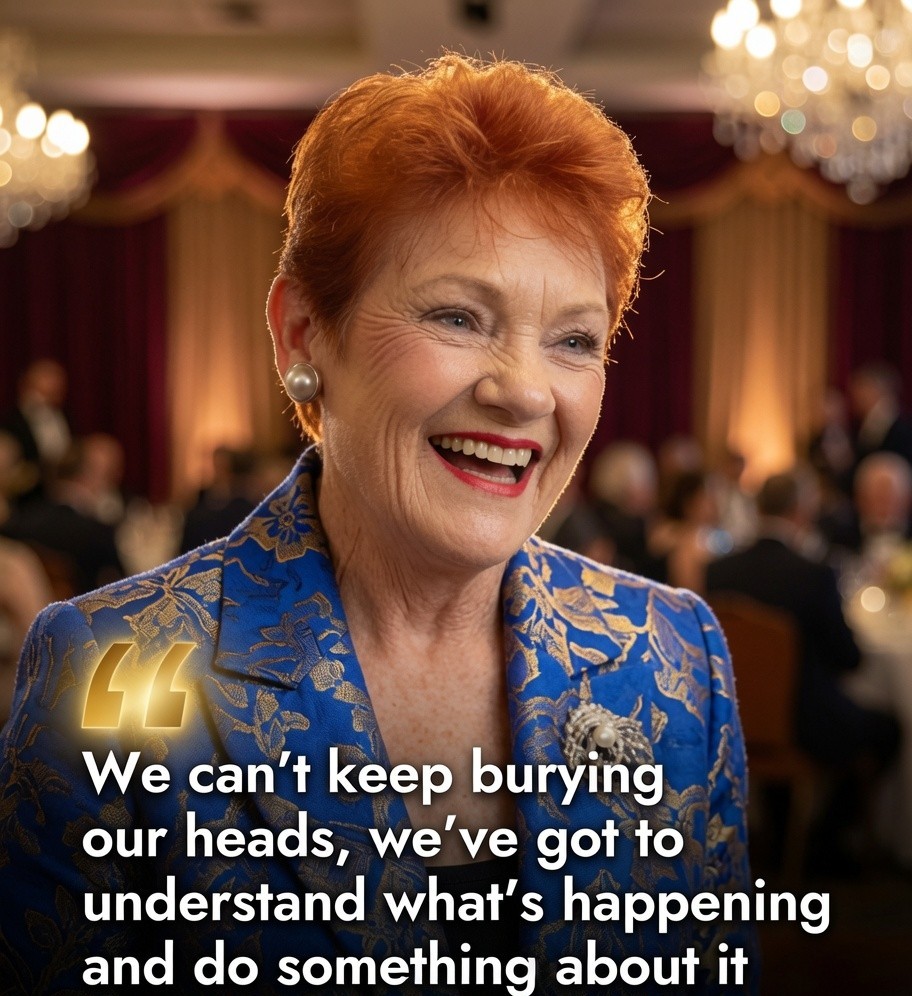
Speaking at a sold-out breakfast event in Perth after returning from Europe, Hanson said attendees were eager to hear what she had learned during her overseas visit, which included meetings with political figures, business representatives and commentators across Britain and Europe.
The One Nation leader told Perth radio station 6PR that discussions at the breakfast centred on issues she believes are increasingly worrying Australians, including small business, the farming sector, taxation and the country’s long-term economic competitiveness.
“We’re really in bad shape in Australia, so unless we come up with decent policies on how to attract the investment back into Australia, we’re going to be suffering because we won’t have the money to provide the services for the Australian people,” Hanson said.
According to Hanson, the audience responded positively to her message, reinforcing her view that many Australians remain concerned about economic growth, investment and the rising cost of doing business.
Economic message dominates Perth appearance
Although much of the national media attention surrounding Hanson’s European trip has focused on immigration and her meetings with controversial political figures, Hanson said her discussions in Perth were broader than those issues alone.
She argued that governments should place greater emphasis on encouraging private investment, supporting regional industries and reducing regulatory barriers that discourage business expansion.
Hanson also highlighted the importance of Australia’s agricultural sector, saying farmers continue to face increasing pressure from rising costs, labour shortages and government policies that she believes reduce competitiveness.
She said stronger economic growth was essential if governments were to continue funding healthcare, education, infrastructure and other public services without placing additional financial pressure on taxpayers.
Standing by the meeting with Tommy Robinson
Hanson was again questioned about one of the most controversial aspects of her European visit—her decision to meet British activist Tommy Robinson.
Robinson has long attracted criticism over his anti-Islam activism and has been described by numerous organisations and political leaders as a far-right figure. His involvement in Hanson’s trip prompted criticism from Prime Minister Anthony Albanese, senior ministers and several independent MPs.
Despite the backlash, Hanson said she had no regrets.
“I’m not going to back away from that. I don’t regret talking to Tommy at all, and I’ll talk to Gina, I’ll talk to anyone that I think is going to help me move forward with policies for what I think is right for the country,” she said, referring to mining billionaire Gina Rinehart as well as Robinson.
Hanson maintained that speaking with controversial individuals should not automatically be interpreted as endorsing every opinion they hold. Instead, she said understanding different viewpoints formed part of her effort to gather information before developing policy positions.
A tour that generated intense scrutiny
Hanson described her overseas visit as a “fact-finding mission”, travelling through parts of Britain and Europe while examining issues including migration, border security and economic policy.
During the trip she appeared at the Conservative Political Action Conference (CPAC) in London, recorded a podcast with Tommy Robinson and met several high-profile conservative political figures. Those appearances generated widespread criticism from political opponents, who argued Hanson was legitimising extremist voices.
The tour also attracted media attention after it emerged Hanson had attended events alongside mining magnate Gina Rinehart and had spoken publicly about immigration challenges facing several European countries.
Throughout the trip Hanson repeatedly argued that Australia should study developments overseas before making long-term decisions on immigration and social policy.
Media controversy surrounding the trip
The European visit became the subject of further debate following the broadcast of Channel Seven’s Spotlight program, which featured Hanson’s meetings with controversial figures and questioned aspects of her immigration agenda.
Hanson later released what she said was an internal production pitch from the program, arguing it demonstrated the broadcaster had initially proposed an investigation focused on migration before ultimately producing a more critical documentary.
Channel Seven rejected suggestions the program was misleading, saying editorial decisions evolved during production and that the final broadcast fairly reflected developments that occurred during the trip.
Immigration remains central to One Nation’s platform
Although Hanson devoted much of her Perth address to economic issues, immigration continued to feature prominently in her broader political message.
She has repeatedly argued that Australia should reduce migration levels, strengthen border controls and reassess policies affecting temporary visas and permanent migration.
In recent interviews Hanson has also praised aspects of former US President Donald Trump’s immigration enforcement policies and argued Australia should consider tougher approaches toward people who remain in the country unlawfully. Those comments have generated significant political criticism from both government ministers and opposition figures.
Supporters of Hanson argue that migration levels have placed increasing pressure on housing, infrastructure and public services, while critics contend her rhetoric unfairly targets migrant communities and risks undermining social cohesion.
Growing support in opinion polls
Hanson’s Perth appearance comes as One Nation has recorded stronger polling in several recent surveys, with the party seeking to broaden its appeal beyond its traditional regional base.
The senator has suggested Australians are increasingly frustrated with both major parties over housing affordability, energy costs, taxation and the overall direction of the economy.
At the breakfast event she indicated One Nation would continue developing policies through consultation with voters, announcing plans for a nationwide “listening tour” before the next federal election to gather community feedback.
Debate likely to continue
Hanson’s European tour remains one of the most closely examined overseas trips undertaken by an Australian political leader this year.
To supporters, the journey demonstrated a willingness to investigate international policy approaches firsthand and challenge mainstream political thinking.
To critics, however, the meetings with controversial figures overshadowed any policy discussions and raised questions about the company Hanson chose to keep.
Regardless of those differing views, the Perth event demonstrated that Hanson continues to attract significant public interest. With attendees filling the venue and engaging on issues ranging from taxation to agriculture and investment, the One Nation leader appears determined to use the momentum from her European tour to shape debate ahead of Australia’s next federal election.






