Pauline Hanson has accused Immigration Minister Tony Burke of misleading Australians over the Albanese Government’s migration agenda after he postponed a highly anticipated National Press Club speech that was expected to outline significant changes to Australia’s immigration system.
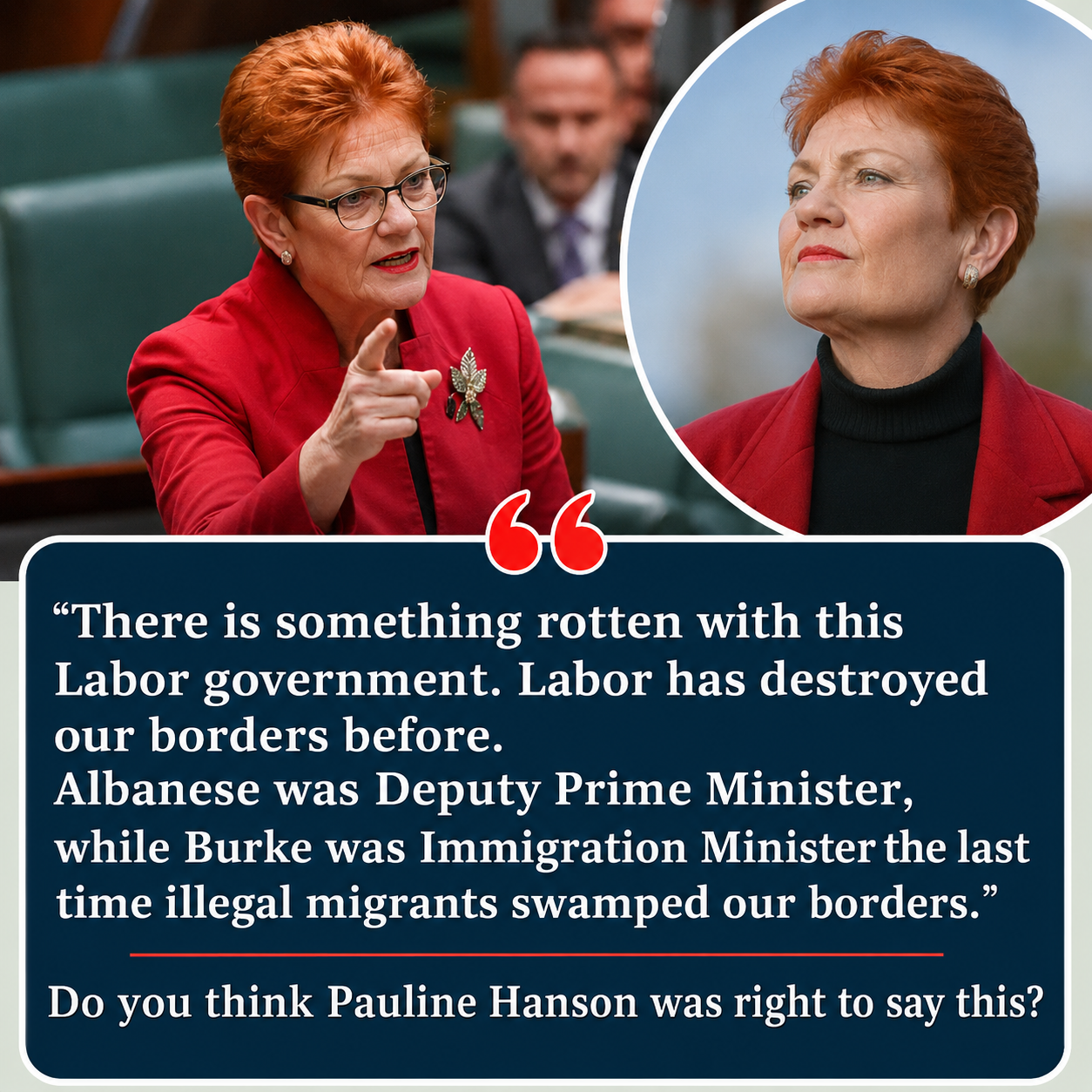
The One Nation leader claimed the last-minute delay showed Labor remained unwilling to make meaningful reductions to migration despite growing public concern about housing affordability, infrastructure pressure and population growth.
Mr Burke had been scheduled to address the National Press Club this week to unveil reforms aimed at preventing migrants from “gaming the system”. However, the appearance was postponed after the government said parts of the policy package required further work before being announced publicly.
According to multiple reports, Cabinet had already endorsed the broad direction of the reforms earlier in the week, but final details were still being refined before the minister’s speech was cancelled. The proposed package is expected to focus on strengthening the integrity of Australia’s migration system rather than introducing a fresh reduction in headline migration targets.
Hanson used the postponement to launch a fresh attack on the Albanese Government, arguing Labor was attempting to appear tougher on migration while failing to deliver substantial policy changes.
“There is something rotten with this Labor government,” Senator Hanson said.
She claimed Mr Burke had intended to announce major migration cuts but backed away because he lacked support within his own government.
“Tony Burke was meant to give a big speech about cutting migration this week, but he cancelled it. Why? Because his Cabinet doesn’t want to cut a thing.”
Hanson also argued Australia had experienced record migration under Labor, claiming approximately 1.5 million people had entered the country over four years.
“Labor has brought in more people than at any other time in our history,” she said.
She linked those migration levels to growing pressure on housing, infrastructure and public services, issues that have become central themes in One Nation’s federal campaign.
The One Nation leader further alleged that Mr Burke was under pressure from Labor colleagues, unions and the Greens, claiming those internal divisions would prevent any meaningful reduction in migration.
“Now Burke is fighting his own Cabinet, the unions, and the Greens. He wants to look like he’s cutting migration, but he’s not. He’s lying.”
Hanson’s criticism reflects One Nation’s broader position that Australia should substantially reduce annual migration, with the party previously proposing net overseas migration of around 130,000 people each year while prioritising genuinely critical skilled occupations.
The latest dispute comes as migration has become one of the country’s most politically contested issues.
Following the reopening of international borders after the COVID-19 pandemic, Australia experienced a sharp increase in net overseas migration before numbers began easing as temporary arrivals declined and government policy tightened.
The Albanese Government has already announced a permanent Migration Program of 185,000 places while introducing several administrative changes designed to better manage migration flows and ensure projected targets are achieved. Rather than cutting the official migration cap further, ministers have indicated the current focus is on improving compliance and preventing abuse of visa pathways.
Among the reforms reportedly under consideration are tighter rules governing visa applications, changes to appeal rights in some cases and measures designed to prevent people from remaining in Australia for extended periods by repeatedly using legal processes to delay departure.
Government sources have stressed the objective is to stop people “gaming the system” while ensuring existing migration forecasts can be met, rather than announcing another round of headline cuts.
Burke’s office has said the National Press Club address was postponed because several elements of the speech had not yet been finalised and that a new date would be arranged once work on the package was complete. Senior ministers have also rejected suggestions the delay reflected political instability, describing it as a normal scheduling decision while policy details were still being settled.
Migration policy has become increasingly sensitive for the Albanese Government as opinion polling shows rising public concern over housing affordability and cost-of-living pressures. Political analysts have noted that One Nation and the Coalition have both intensified their criticism of Labor’s migration settings in recent months, placing additional pressure on the government to demonstrate tighter control over the immigration system.
Business groups, however, have urged caution against sweeping reductions to skilled migration, warning that sectors including mining, healthcare, construction and engineering continue to rely heavily on overseas workers to fill persistent labour shortages. Several industry organisations argue that significant cuts could constrain economic growth and worsen existing workforce shortages.
Hanson also used her statement to criticise the government’s handling of national security issues, saying One Nation would again introduce its proposed Foreign Terrorist Fighters Bill when Parliament resumes.
She said the legislation is intended to prevent Australians who joined overseas terrorist organisations from returning to the country, declaring that One Nation would “never welcome alleged ISIS terrorists” back into Australia.
The Albanese Government has previously maintained that national security decisions involving Australians linked to overseas extremist organisations are made on the basis of legal advice, intelligence assessments and Australia’s international obligations.
With Parliament due to resume shortly, migration is expected to remain one of the dominant issues in federal politics. The government is preparing to unveil its revised migration reform package, while One Nation continues to campaign for substantially lower migration levels and stricter border controls.
Whether the government’s final package satisfies critics remains to be seen, but the postponement of Tony Burke’s speech has intensified scrutiny of Labor’s migration strategy and provided fresh political momentum for opponents arguing Australia needs a tougher approach to immigration.






