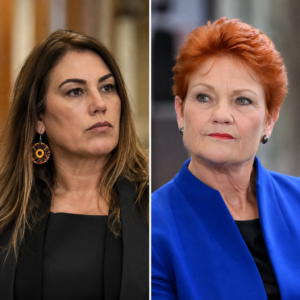
One Nation leader Pauline Hanson has launched a fresh critique of the Coalition, accusing sections of the Liberal and National parties of treating her movement with an “elitist attitude” despite relying on many of the same voters.
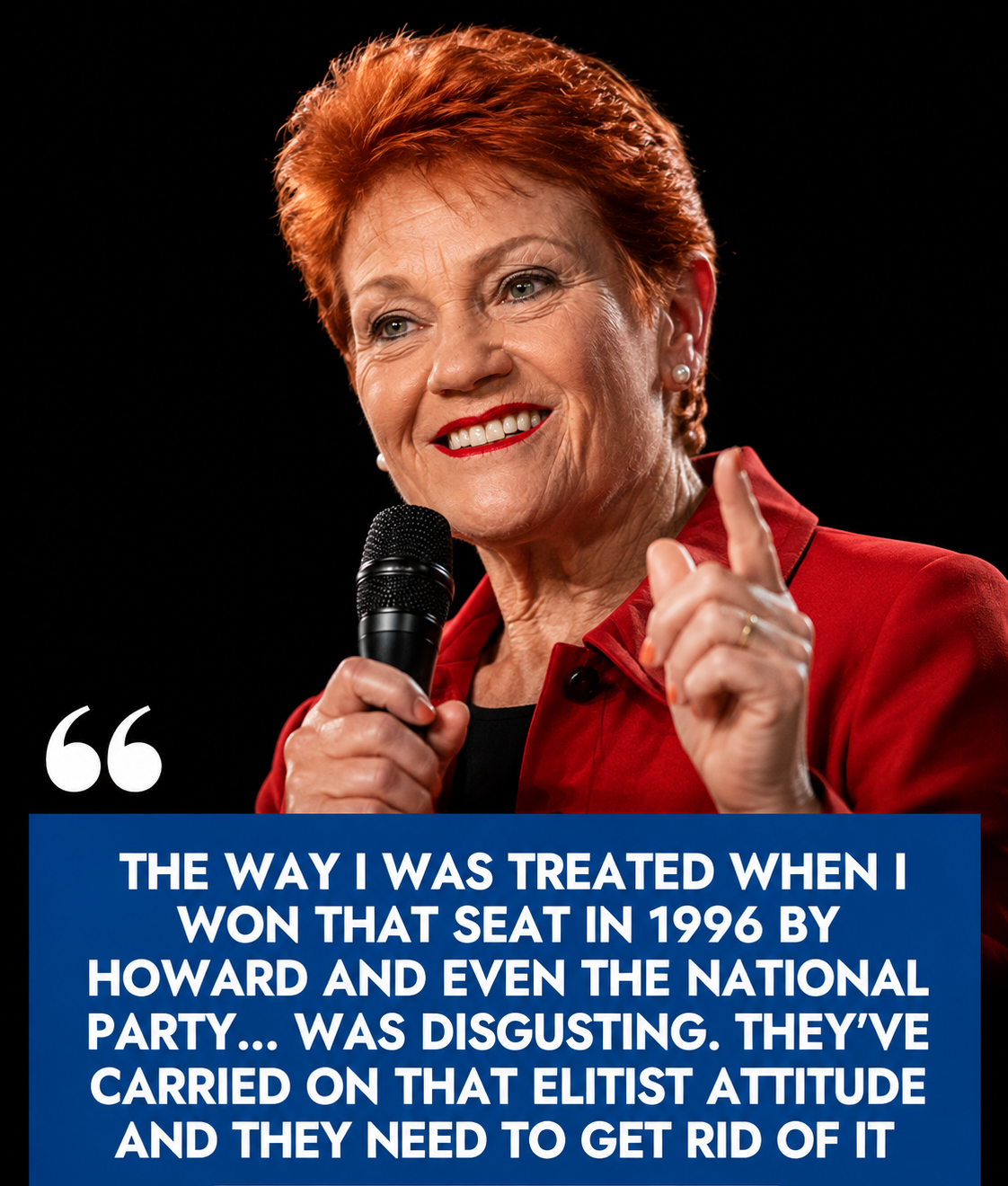
Speaking with 2GB host Mark Levy, Senator Hanson reflected on her party’s long and often turbulent relationship with the Coalition, saying she had never forgotten the way One Nation had been treated by senior Liberal figures over the years.
While making clear that she remains focused on defeating the Albanese government, Hanson said cooperation between conservative parties should be driven by outcomes for the country rather than personal or political rivalries.
However, she argued that meaningful cooperation had frequently been undermined by what she described as an “elitist attitude” from parts of the Coalition, particularly among figures who refused to acknowledge One Nation’s electoral support.
“They’ve always looked down on us,” Hanson said during the interview, arguing that many Coalition politicians had underestimated both her party and the Australians who vote for it.
The comments come as One Nation continues to position itself as a significant force on the political right, with recent polling showing the party remaining competitive in several states and seeking to expand its parliamentary representation ahead of future elections.
Hanson said she has no interest in political recognition for its own sake, but believes the Coalition should acknowledge that hundreds of thousands of Australians have repeatedly chosen One Nation because they feel their concerns have not been adequately represented by the major parties.
She argued that many of those voters are motivated by issues including migration, cost-of-living pressures, housing affordability, government spending and concerns about national identity—areas where One Nation believes it has consistently advocated stronger action.
Despite her criticism, Hanson stopped short of ruling out future cooperation with the Coalition.
Instead, she said she would be prepared to work constructively with any party willing to pursue policies that she believes are in Australia’s national interest.
That position reflects One Nation’s longstanding approach of negotiating legislation on a case-by-case basis rather than entering into formal coalition agreements.
Asked whether closer cooperation could help remove the Albanese government from office, Hanson indicated she would support practical collaboration where policy objectives aligned, but insisted One Nation would maintain its political independence.
The relationship between the Coalition and One Nation has long been one of the most complex dynamics in Australian politics.
Although the parties often share similar positions on immigration, border security, energy policy and criticism of government spending, Liberal leaders have repeatedly rejected suggestions of forming a formal coalition with One Nation.
Senior Coalition figures have argued that while preference arrangements may occur in some elections, the Liberal Party remains a separate political organisation with its own platform and values.
That distinction has become particularly prominent following recent public statements from Coalition leaders ruling out any formal governing partnership with One Nation despite speculation generated by shifting polling.
For Hanson, however, the issue extends beyond formal political agreements.
She suggested that some within the Coalition have historically viewed One Nation supporters as politically inferior, despite often adopting similar policy positions years later.
Supporters of One Nation have frequently argued that the party has influenced national debate on immigration, border protection and energy policy long before those issues became central to mainstream politics.
Critics dispute that characterisation, arguing One Nation’s rhetoric has often contributed to political polarisation and division.
Hanson nevertheless maintains that her party has remained consistent on many of its core policy positions since its establishment in the late 1990s.
The latest interview comes during a period of heightened political activity for One Nation.
The party has recently expanded its Victorian election campaign, unveiled new candidates and continued to promote policies focused on migration, crime, education and government accountability. At the same time, Hanson has attracted significant attention for barring several major media organisations from attending a campaign press conference, arguing those outlets had repeatedly misrepresented her party.
Political analysts say One Nation’s growing visibility has increased pressure on both major parties.
For Labor, the party represents a useful political contrast that can be used to draw attention to divisions on the conservative side of politics.
For the Coalition, meanwhile, One Nation presents a more complicated challenge.
While some policy positions appeal to similar groups of voters, Coalition leaders have continued to emphasise that they are seeking government in their own right rather than through a formal alliance with Hanson.
Hanson made clear that she is not seeking acceptance from the Coalition’s leadership.
Instead, she said her priority is representing the Australians who continue to support One Nation and ensuring their concerns are heard in Parliament, regardless of whether that makes the party popular within Canberra.
She argued that political parties should be judged by their willingness to stand by their principles rather than by their relationships with other parties.
Whether that approach ultimately leads to closer parliamentary cooperation remains uncertain.
For now, Hanson’s latest comments underline both the ideological overlap and the enduring political tensions that continue to shape the relationship between One Nation and the Coalition, even as both seek to challenge the Albanese government from the opposition benches.