As Victoria heads towards its November state election, one of the most closely watched political contests is not only between Labor and the Liberal-National Coalition, but also between the Coalition and the growing influence of Pauline Hanson’s One Nation.
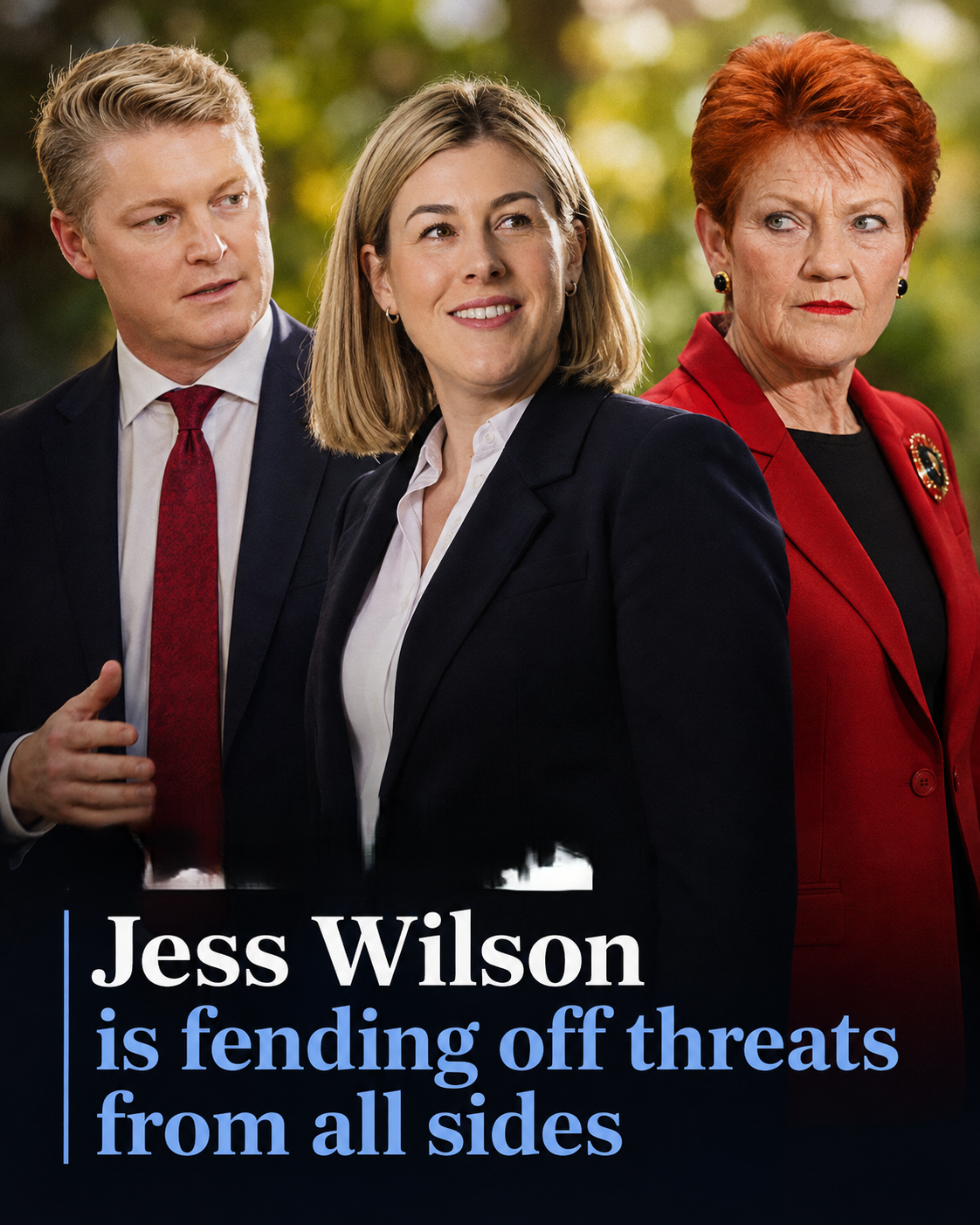
In an opinion piece, political commentator James Campbell argues that recent polling offers encouraging news for Opposition Leader Jess Wilson as she seeks to convince Victorians that a vote for the Coalition is not a vote for a government dependent on One Nation.
Campbell contends that this perception may ultimately prove one of the defining issues of the election campaign.
According to Campbell, the Coalition’s position has strengthened despite One Nation’s recent surge in support.
While Labor’s primary vote remains historically weak, he argues the Coalition will be more encouraged by its performance against the insurgent party on its political right than by its lead over Labor alone.
The columnist points to polling suggesting the Coalition maintains an eight-point lead over One Nation on the primary vote.
In his assessment, that gap is politically significant because it weakens Labor’s argument that electing Jess Wilson would inevitably result in a Coalition government reliant on One Nation for power.
Campbell argues that if the Coalition and One Nation were polling at similar levels, Labor’s warning that “a vote for Jess is a vote for Pauline” would carry greater weight among undecided voters.
Instead, he suggests the latest polling allows Wilson to argue that the Coalition remains clearly the dominant force on the centre-right of Victorian politics.
The opinion piece also notes that the Coalition continues to lead on a range of major campaign issues measured in the survey.
According to Campbell’s interpretation of the polling, a majority of respondents believe Victoria is heading in the wrong direction, while Wilson holds a substantial advantage over Premier Ben Carroll as preferred premier.
Although the Coalition’s two-party-preferred lead eased slightly compared with the previous month, Campbell argues the broader trend still favours the Opposition.
The relationship between the Coalition and One Nation has become an increasingly important topic during the Victorian campaign.
Labor has repeatedly attempted to portray the Coalition as potentially dependent on One Nation should the election produce a finely balanced parliament.
Coalition leaders have rejected that characterisation, insisting they are campaigning to win government in their own right and are focused on presenting an alternative administration rather than negotiating future political arrangements.
One Nation, meanwhile, has significantly expanded its Victorian campaign.
The party recently appointed Warren Pickering as its Victorian leader, announced its first group of upper house candidates and said more than 1,000 people had expressed interest in standing as candidates ahead of the election.
It has also promised to release a comprehensive Victorian policy platform covering issues including crime, cost of living and government accountability before polling day.
Recent polling has suggested One Nation is attracting support from voters frustrated with the major parties, particularly over housing affordability, crime, immigration and broader cost-of-living pressures.
That growth has prompted both Labor and the Coalition to devote increasing attention to voters who may be considering shifting their support to minor parties.
For the Coalition, however, Campbell believes the challenge is twofold.
It must continue winning support from voters dissatisfied with Labor while also preventing One Nation from becoming sufficiently strong to shape public perceptions of a future Coalition government.
He argues that maintaining a clear electoral lead over One Nation is strategically important because it reassures moderate voters concerned about the possibility of an administration influenced by a minor party.
Campbell also notes that polling indicates the Liberal Party has become the most favourably viewed political party among Victorian voters surveyed, a development he sees as another encouraging sign for Wilson’s campaign.
Nevertheless, he cautions that public opinion can shift during a campaign and that Labor still has opportunities to influence the narrative before election day.
The November election is shaping up as one of Victoria’s most competitive contests in years.
With Labor seeking another term in office, the Coalition attempting to return to government and One Nation expanding its presence across the state, the campaign is likely to focus heavily on cost-of-living pressures, housing, crime, infrastructure and economic management.
Against that backdrop, perceptions about post-election political stability may prove just as important as individual policy announcements.
Campbell concludes that Jess Wilson’s ability to persuade voters that the Coalition offers a stable alternative government—without relying on One Nation—could become one of the decisive factors in determining the outcome of the November poll.
His analysis reflects one interpretation of the current political landscape rather than an established electoral outcome, with the final result ultimately depending on voters’ decisions when Victorians head to the ballot box later this year.






