Pauline Hanson’s One Nation says it is building what it describes as one of its strongest Victorian campaigns to date, unveiling a new state leader and the first wave of candidates while promising a comprehensive policy platform ahead of November’s state election.
The party says more than 1,000 people lodged expressions of interest to become One Nation candidates in Victoria, allowing party officials to take additional time selecting what they believe is the strongest team to contest the election.
“We didn’t want to rush into it,” the party said.
According to One Nation, the unusually large number of applications enabled the party to focus on selecting candidates it believes can make a meaningful difference to the lives of everyday Victorians.
The announcement comes as One Nation seeks to capitalise on improving opinion polling and growing dissatisfaction among some voters with both Labor and the Coalition ahead of the November Victorian election.
Leading the campaign will be Warren Pickering, who has been appointed One Nation’s Victorian leader and is expected to contest the lower house seat of Pakenham.
Pickering has previously served as the party’s Victorian president and has represented One Nation during federal election debates. The party describes him as bringing experience across farming, construction, military service and business, while positioning him as the public face of its Victorian campaign.
Alongside Pickering’s appointment, One Nation has announced its first group of Legislative Council candidates covering several upper house regions.
The initial team includes incumbent Northern Victoria MP Rikkie-Lee Tyrrell, Geelong councillor Chris Burson, former Liberal member Colleen Harkin, animator and commentator Mark Nicholson, together with Fiona Lopez, Aaron Sandford and Natalie Adams.
The party says additional lower house and upper house candidates will be announced in the coming weeks as preparations for the election continue.
One Nation has also highlighted what it says is a noticeable increase in interest from current and former police officers wishing to stand as candidates.
According to Pauline Hanson, that trend reflects widespread concern among serving and retired officers about crime and community safety in Victoria.
The party argues those applicants have been motivated by frustration over the state’s law-and-order challenges and want to play a greater role in shaping future policy.
Crime has become an increasingly prominent issue in Victorian politics, with all major parties placing greater emphasis on policing, community safety and youth offending as the election approaches.
One Nation has indicated those concerns will form a significant part of its campaign platform.
While introducing its candidates, the party said it had already developed a comprehensive Victorian policy platform that would be released before polling day.
Although the full package has not yet been published, One Nation says it intends to present detailed proposals rather than relying solely on campaign slogans.
Media reports indicate the party is preparing policies covering crime, government integrity, infrastructure, agriculture and broader cost-of-living issues, while further announcements are expected as the campaign progresses.
The candidate rollout follows months of organisational expansion.
Earlier this year, One Nation announced plans to field candidates across virtually every lower house electorate together with a full slate of upper house candidates, representing the party’s largest Victorian campaign since its formation.
Party officials have previously said membership has increased significantly following the federal election, encouraging the organisation to expand its presence across the state.
The Victorian campaign is being launched at a time when One Nation has enjoyed stronger polling than in previous election cycles.
Recent surveys have suggested the party has attracted increased support from voters concerned about the cost of living, housing affordability, crime, immigration and confidence in the major political parties.
Those trends have encouraged One Nation to invest more heavily in Victoria, a state where it has historically achieved limited electoral success compared with Queensland.
Despite the positive momentum claimed by the party, the campaign has not been without controversy.
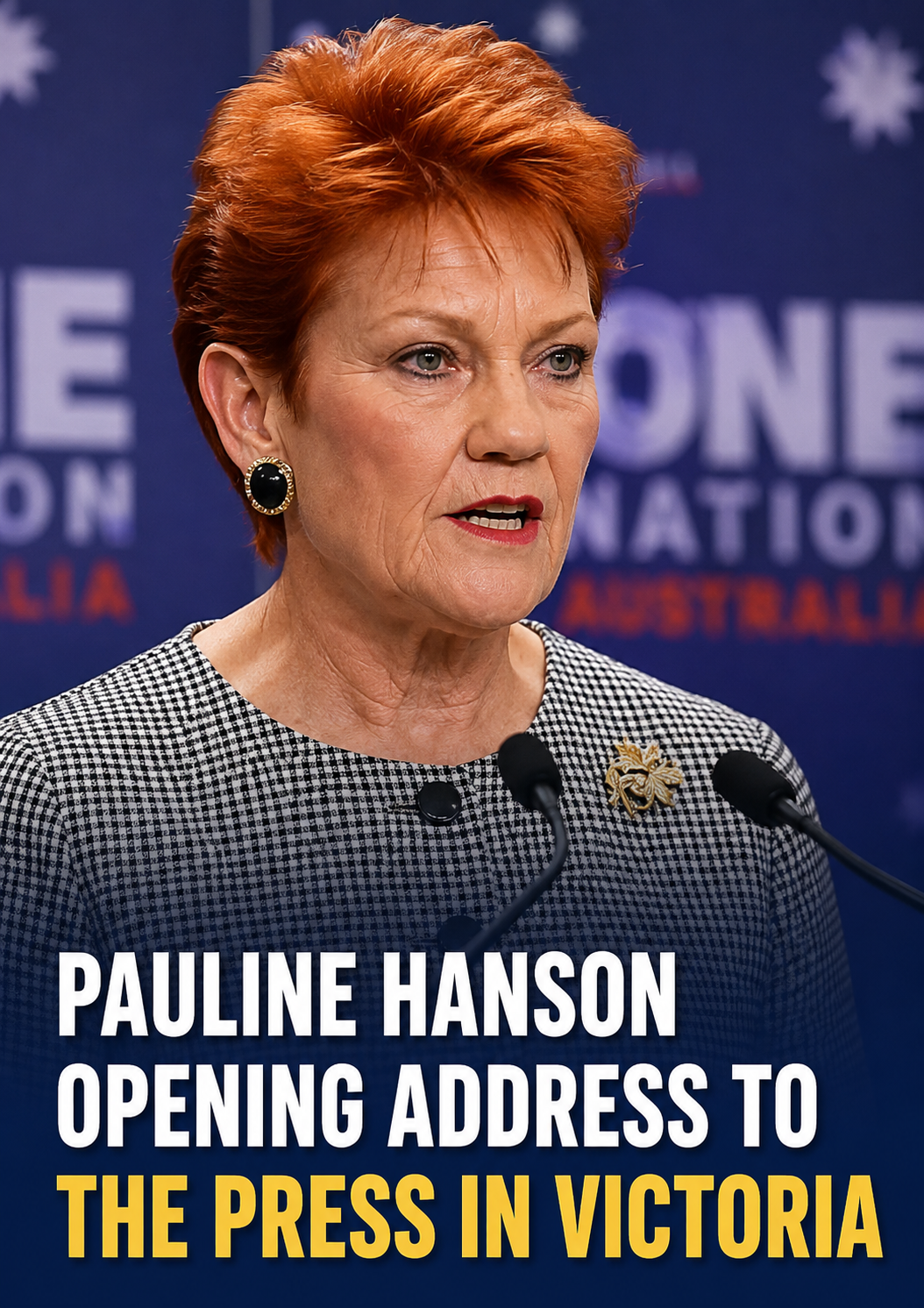
Pauline Hanson recently attracted criticism after excluding journalists from the ABC, The Guardian and The Age from a Victorian campaign press conference, arguing those organisations had consistently misrepresented One Nation’s policies and candidates.
The decision prompted debate about media access and transparency during the election campaign.
Attention has also focused on comments previously made by Warren Pickering regarding some federal One Nation policies.
Past podcast interviews resurfaced after his appointment, including remarks in which he questioned whether proposals for large-scale deportations of visa overstayers were practically achievable. Pickering later emphasised that he remained committed to representing the party during the Victorian campaign.
For One Nation, however, the immediate objective is organisational growth.
The party says the large number of aspiring candidates demonstrates increasing public interest in offering an alternative to the major parties.
Its leadership believes carefully selecting candidates with varied professional backgrounds—including policing, local government, small business and military service—will strengthen its credibility with Victorian voters.
Whether that strategy translates into parliamentary gains will become clearer as the party releases its full policy platform and begins campaigning across the state.
With several months remaining before Victorians head to the polls, One Nation says more candidates and detailed policy announcements will follow, insisting its campaign team is “raring to go” as it attempts to convert growing public attention into electoral support.






