City of Sydney councillor Olly Arkins has been elected Deputy Lord Mayor, taking on the council’s second-highest civic role after a unanimous vote and setting out a platform focused on affordable housing, nightlife, council services and stronger recognition of First Nations culture.
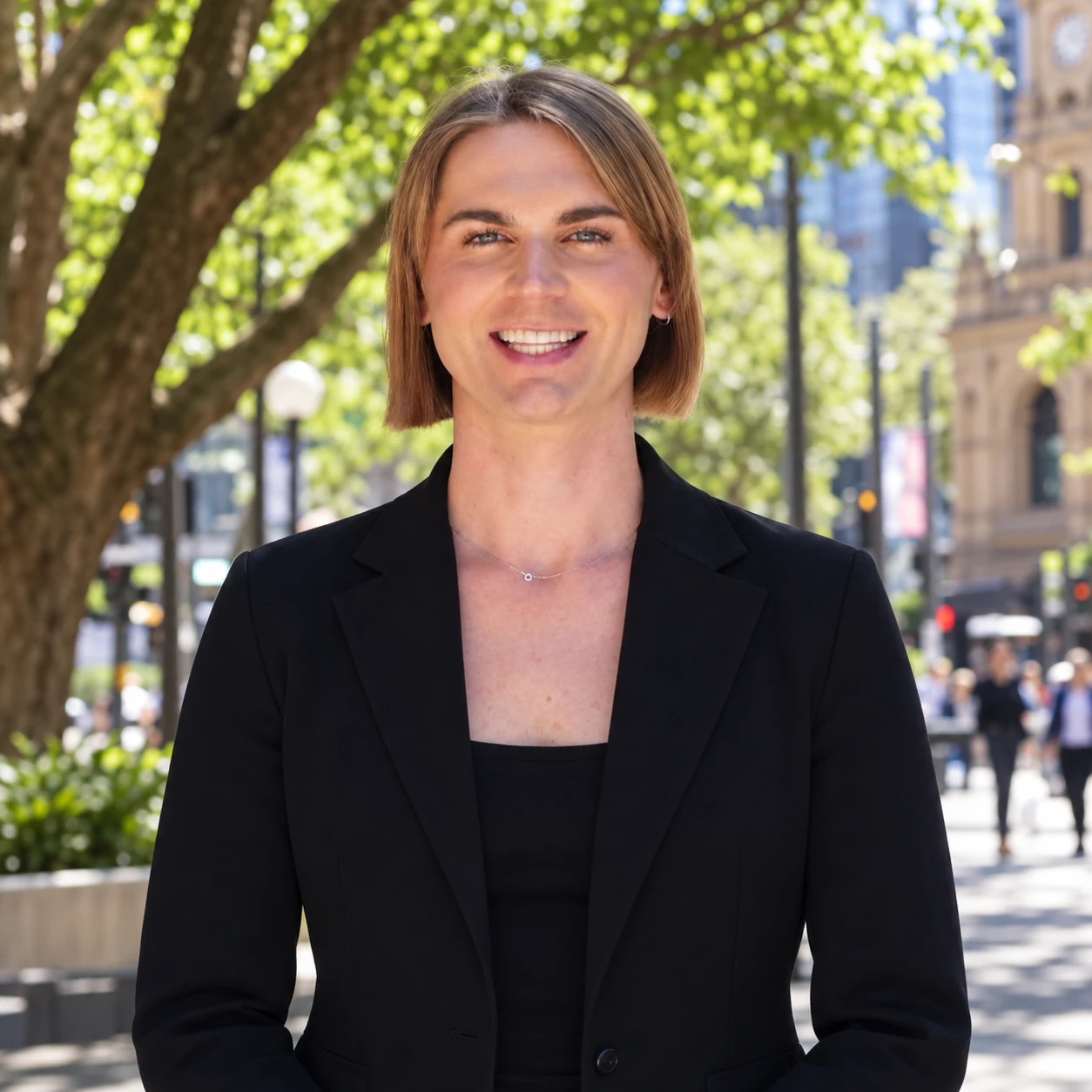
Arkins, who was elected to council in 2024, will serve alongside Lord Mayor Clover Moore. The Deputy Lord Mayor is chosen by councillors and can perform mayoral duties when required, making the position both ceremonial and practical within the City of Sydney’s governance structure.
The appointment has also attracted attention because Arkins is the first transgender woman to hold the role. That aspect of the story has featured prominently in commentary from both supporters and critics, but it does not change the basic civic fact: councillors elected Arkins to the position and the new Deputy Lord Mayor will now be judged on the council agenda and decisions made during the term.
Arkins has identified affordable housing as one of her major priorities. Housing pressure remains one of Sydney’s most persistent local issues, with the inner city facing high rents, limited affordable supply and intense competition for homes close to jobs, public transport and services.
The City of Sydney cannot solve the metropolitan housing shortage by itself. Planning rules, state government policy, financing, construction costs and Commonwealth tax settings all shape supply. Local government nevertheless has influence through planning, development approvals, use of council-owned land, affordable-housing contributions and partnerships with community housing providers.
Arkins has also emphasised the way council services are delivered. She has argued for more services to remain or return in-house rather than being outsourced to private contractors, a debate that sits within a broader argument over cost, accountability and the capacity of councils to maintain specialist workforces.
Supporters of in-house delivery argue that permanent council staff can provide stronger institutional knowledge and public accountability. Advocates of outsourcing say external providers can offer flexibility and specialist expertise, particularly for work that is irregular or highly technical. The practical question for councillors is not whether one model is always superior, but whether each contract delivers value and service quality.
Nightlife and the creative economy are another part of Arkins’ portfolio and political identity. The councillor has backed Special Entertainment Precincts, which are designed to make it easier for designated areas to host live music and cultural activity under clearer planning and noise rules.
Sydney has spent years trying to rebuild parts of its night-time economy after the lockout-law era and the disruption of the COVID-19 pandemic. Venues continue to face high rents, insurance costs, licensing requirements and changing consumer habits. Council policy can help, but survival still depends on whether audiences attend and businesses can remain financially viable.
Arkins has also supported a permanent home for community broadcaster FBi Radio, reflecting a wider concern about the cost pressures facing independent cultural organisations in the inner city. The station has long promoted local and emerging musicians and is part of the cultural infrastructure that many councils now treat as an economic as well as artistic asset.
Another priority raised by Arkins is First Nations culture. She has said Sydney should operate as a global city while placing the history and culture of First Nations people at the forefront of policy. That approach is consistent with a broader City of Sydney focus on Aboriginal and Torres Strait Islander recognition, public art, cultural programming and consultation.
How that principle translates into individual council decisions will be more important than the slogan itself. Local government deals with practical matters including parks, libraries, community facilities, public space, street names, events, planning and procurement. Each provides opportunities for recognition, but also involves budgets, consultation and competing priorities.
Arkins’ record on council has included work on longer library opening hours during exam periods, affordable housing, cultural policy and proposals to modernise the way residents use council services. One practical example has been support for easier app-based parking payments, an issue that may appear minor beside housing but affects residents and visitors every day.
The parking proposal highlights the often unglamorous nature of local government. Councils are responsible for services that shape daily life but rarely attract the attention given to federal or state politics: waste collection, footpaths, street lighting, local roads, parking, community centres, development controls and public spaces.
That makes the Deputy Lord Mayor role different from a federal cabinet position. Arkins does not control a department with national powers, and the role does not create an independent executive mandate. Major decisions still require council votes, while many significant city issues involve state agencies or the NSW government.
The City of Sydney is also unusual because of its economic importance. Its local government area contains the central business district, major cultural institutions, tourism precincts, universities, entertainment areas and a dense residential population. Decisions on streets, nightlife, planning and public space can have consequences well beyond the number of residents enrolled to vote in council elections.
The council is led by Clover Moore, who has dominated City of Sydney politics for decades. A new Deputy Lord Mayor therefore operates within a well-established administration and political environment rather than taking over an organisation searching for a direction.
Arkins’ election was unanimous, a result that indicates councillors were able to support the appointment despite differences across other policy areas. Unanimous votes do not mean future council decisions will be free of disagreement. Housing density, transport, heritage, nightlife and spending regularly produce competing positions.
The appointment has already generated culture-war commentary online, including descriptions focused on Arkins’ appearance or gender identity. Such framing can obscure what the council actually voted on and what the office requires.
Arkins publicly identifies as a transgender woman. Reporting that fact is relevant to the historic nature of the appointment, but it is not a substitute for reporting the councillor’s policy record. The more consequential questions concern housing, service delivery, planning, nightlife and the management of public money.
Representation can still matter to communities that have historically had little presence in elected office. Supporters have described the appointment as a milestone for transgender representation in Sydney public life. Others may place little importance on that aspect and assess Arkins solely through policy. Both reactions can exist without changing the institutional facts of the appointment.
In practical terms, the next test will be what Arkins does with the position. Local government politics rewards implementation more than national rhetoric. Residents are likely to notice whether housing projects progress, whether streets and public spaces work, whether cultural venues survive and whether council services become easier to use.
Affordable housing will probably be the hardest of the stated priorities because it requires long lead times and collaboration with other levels of government. New dwellings take years to plan and build, and council-controlled projects represent only part of the broader housing market.
Nightlife policy may deliver more visible changes sooner, particularly as Special Entertainment Precincts and other reforms expand. Even there, councillors will have to balance the interests of venues and patrons with residents concerned about late-night noise and neighbourhood amenity.
First Nations cultural policy will similarly be judged through implementation: consultation, funding, public-space decisions and the extent to which Aboriginal organisations and communities have meaningful influence rather than symbolic inclusion alone.
The election therefore marks both a representational first and the start of a more ordinary test of municipal government. Arkins now has a higher-profile role in one of Australia’s most influential councils, but the responsibilities are grounded in the same questions facing any Deputy Lord Mayor: how to build consensus, turn priorities into decisions and show residents that council policy produces tangible results.