A Melbourne magistrate has granted bail to an Australian woman accused of joining the Islamic State group and exposing her young children to extremist propaganda, ruling that strict conditions could adequately manage any risk to the community while she awaits trial.
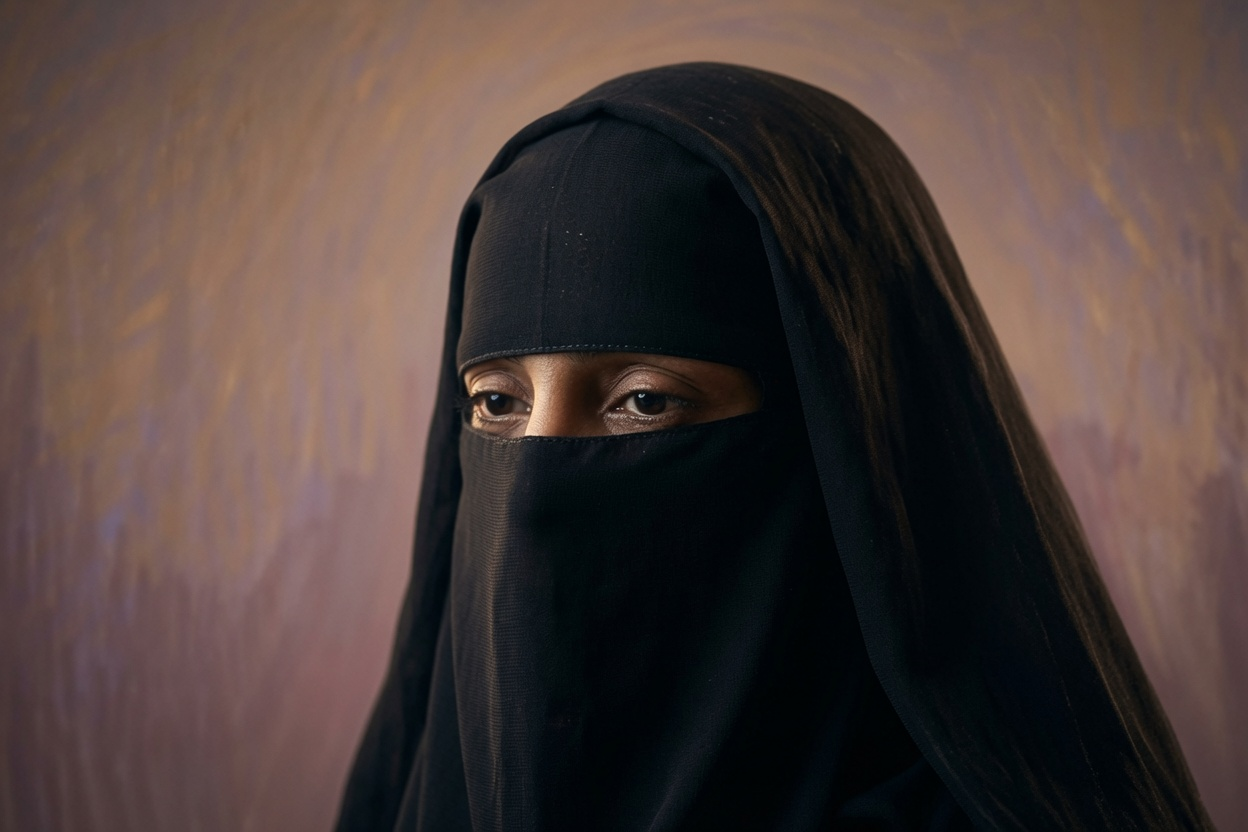
Rayann El Houli, 34, appeared before the Melbourne Magistrates’ Court after spending about two months in custody on terrorism-related charges. She is accused of entering or remaining in a declared area in Syria and being a member of the Islamic State (IS) terrorist organisation, offences that each carry a maximum penalty of 10 years’ imprisonment if proven.
Australian Federal Police (AFP) strongly opposed her release, arguing there were no bail conditions capable of eliminating the risk they believed she posed to the community.
Police alleged El Houli travelled from Melbourne to Syria in 2014 with her husband and two infant children to join Islamic State territory, remaining there for several years before the group’s territorial collapse in 2019. During that period, prosecutors allege she married additional Australian IS members after her first husband was killed in the conflict.
The prosecution’s case centres not only on allegations that El Houli joined the terrorist organisation, but also on claims that she actively promoted extremist ideology to her children while living under IS rule.
According to evidence outlined in court, investigators allege El Houli appeared in multiple videos recorded during 2015 and 2016 in which she encouraged her young children to repeat extremist slogans, discuss violence against people Islamic State labelled as “disbelievers”, and imitate the actions of jihadist fighters.
One video allegedly showed her asking her eldest child questions about how Islamic State fighters killed their enemies before encouraging the child to demonstrate the actions with a toy knife.
Another allegedly captured her coaching one of her children on how to hold a toy firearm “like the mujahideen”. Prosecutors argue the recordings demonstrate a deliberate pattern of exposing the children to Islamic State propaganda rather than isolated incidents.
The AFP told the court the videos were discovered years later during investigations into relatives living in Australia.
Between 2019 and 2020, officers executed multiple search warrants as part of a national investigation into returning Islamic State-linked Australians.
Electronic devices allegedly contained WhatsApp communications between El Houli and family members, together with videos and images said to depict life inside Islamic State-controlled territory.
Police further alleged El Houli expressed support for Islamic State while living in Syria, encouraged others in Australia to travel there and only left after the collapse of the group’s self-declared caliphate rather than because she had rejected its ideology. Those allegations remain untested and have not been determined by a jury.
El Houli’s legal team strongly disputes that she remains committed to extremist beliefs.
Barrister Peter Morrissey SC told the court his client had completely renounced Islamic State and violent jihad.
“She renounces ISIS and violent jihad. She wants nothing to do with it. Not now, not in the future. Not directly or indirectly. Not for herself and especially not for her children,” Morrissey said during earlier proceedings.
The defence argued El Houli had been heavily influenced by her first husband when she travelled to Syria as a young woman and had since undergone significant personal change.
Lawyers also told the court she had returned to Australia intending to rebuild her life, care for her four children and address ongoing physical and psychological health problems.
Medical evidence presented during the bail hearing indicated El Houli suffers from depression and may also have multiple sclerosis, while psychological experts assessed her risk of future extremist offending as relatively low.
Magistrate Brett Sonnet described the allegations as “unquestionably serious” and accepted that the videos allegedly involving the children were “truly disturbing”.
However, he concluded that the defence had established the exceptional circumstances required under Victorian bail laws for terrorism offences.
The magistrate noted several factors in granting bail, including the age of the alleged offending, the likely delay before trial, El Houli’s health issues, expert psychological evidence and the possibility that aspects of her conduct occurred while she was subject to coercive relationships during her time in Syria.
The court imposed stringent bail conditions.
Among them, El Houli must reside at an approved address, observe a curfew, surrender her passport, avoid contact with specified individuals linked to terrorism investigations, participate in countering violent extremism programs and remain away from places of worship except for one approved mosque.
Her brother is also required to provide a $50,000 surety to support her release.
The case forms part of a broader series of investigations involving Australian women and children who returned from detention camps in north-eastern Syria after the territorial defeat of Islamic State.
Following the collapse of the group’s self-declared caliphate in 2019, hundreds of foreign women and children remained in camps administered by Kurdish authorities.
Australia has gradually repatriated several groups of citizens from the region over recent years, with authorities conducting extensive investigations upon their return to determine whether criminal charges were appropriate.
Federal authorities have emphasised that each returning individual is assessed independently based on available evidence.
Some returnees have not faced criminal charges, while others—including El Houli and several other women repatriated from Syria—have been prosecuted over alleged conduct during their time inside Islamic State-controlled territory.
Counter-terrorism experts have long warned that cases involving returnees from overseas conflict zones present complex legal and evidentiary challenges.
Many alleged offences occurred years earlier in active war zones, requiring investigators to rely on digital communications, recovered electronic devices, intelligence material and witness testimony gathered across multiple jurisdictions.
Australian courts must also balance national security considerations with the fundamental legal principle that accused persons are presumed innocent unless and until proven guilty.
That principle featured prominently in the latest proceedings.
While prosecutors argued El Houli continued to pose an unacceptable risk, the magistrate concluded that carefully designed bail conditions could sufficiently protect the public until the charges are resolved at trial.
El Houli has indicated she intends to contest the allegations.
No findings of guilt have been made, and the charges against her remain before the courts.






