Debate over Australia Day has returned to Melbourne after a city councillor called for official celebrations on 26 January to be reinstated, arguing the city should acknowledge differing perspectives while also providing opportunities for community participation.
Councillor Philip Le Liu has launched a campaign urging the City of Melbourne to restore Australia Day events after several years without official celebrations. He argues that recognising the experiences of Aboriginal and Torres Strait Islander peoples and holding civic celebrations are not mutually exclusive, saying communities should continue discussing Australia’s history while also looking toward the future.
The proposal has reopened a long-running national discussion about how Australia Day should be observed. Supporters of retaining celebrations on 26 January view the date as an important national occasion that brings communities together through citizenship ceremonies, local events and public recognition. Others argue the date represents the beginning of British colonisation and carries deep significance for many Aboriginal and Torres Strait Islander people, leading them to advocate for alternative forms of commemoration or a different national day.
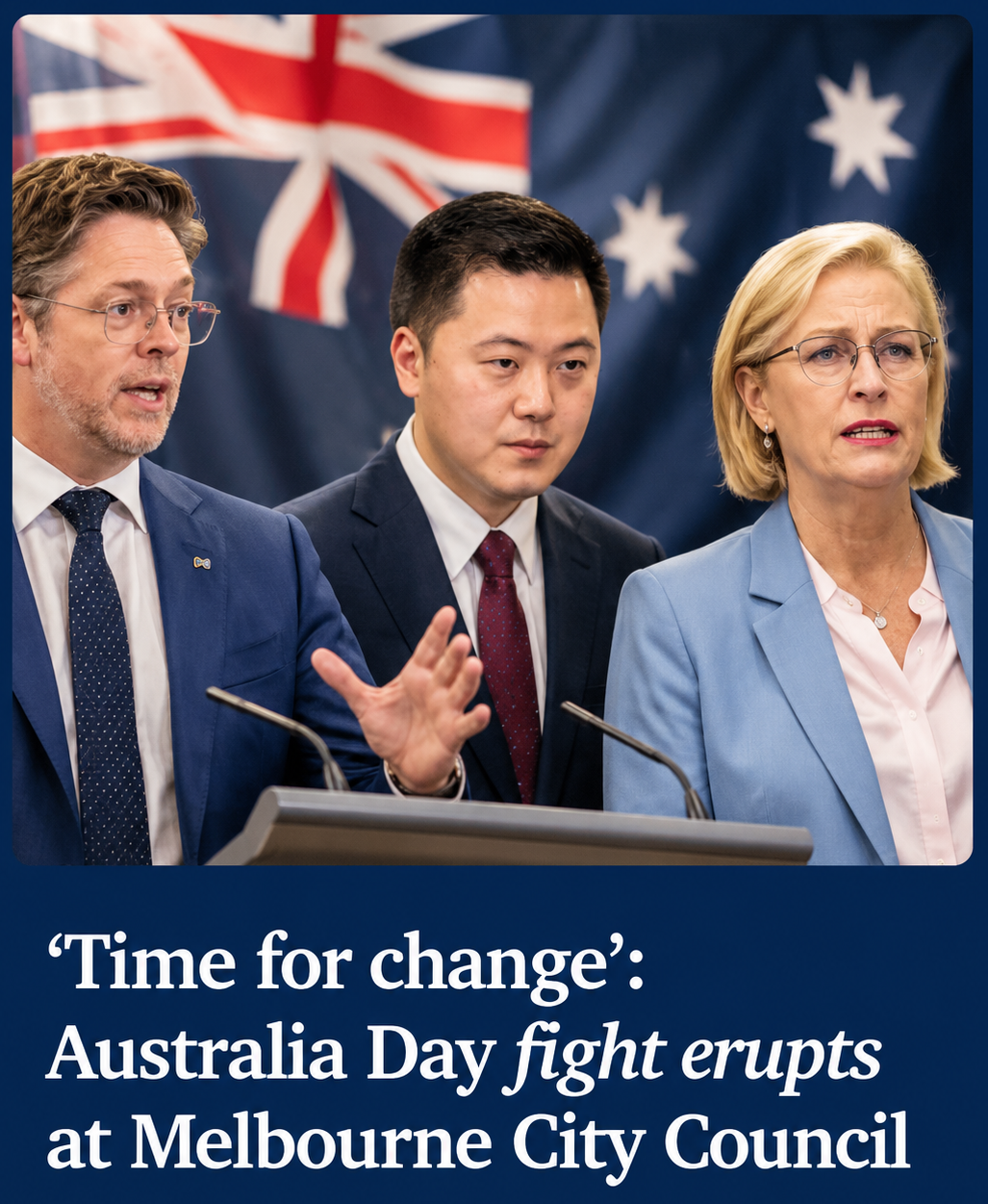
Le Liu has said Melbourne should seek a balanced approach that acknowledges historical pain and suffering while also creating opportunities for residents to participate in civic celebrations. His proposal reflects his own position and has not been adopted as official City of Melbourne policy.
The City of Melbourne previously decided not to hold official Australia Day celebrations, reflecting a broader trend among some local councils that have reviewed how the national day is marked. Other councils and state governments continue to hold ceremonies and community events on 26 January, meaning approaches vary across Australia.
Community views on Australia Day remain diverse. Public opinion research over recent years has shown support both for keeping the date unchanged and for considering alternative arrangements. The issue continues to generate discussion among governments, Indigenous organisations, community groups and the wider public.
Any change to Melbourne’s current approach would require consideration and approval by the City of Melbourne through its normal council decision-making processes. At this stage, the councillor’s campaign represents a proposal rather than a decision, and no formal policy change has been announced.
The renewed discussion highlights the continuing importance of Australia Day as both a national celebration and a topic of public debate. As councils and governments consider different approaches, questions about history, reconciliation, civic identity and community participation are likely to remain part of the conversation.






